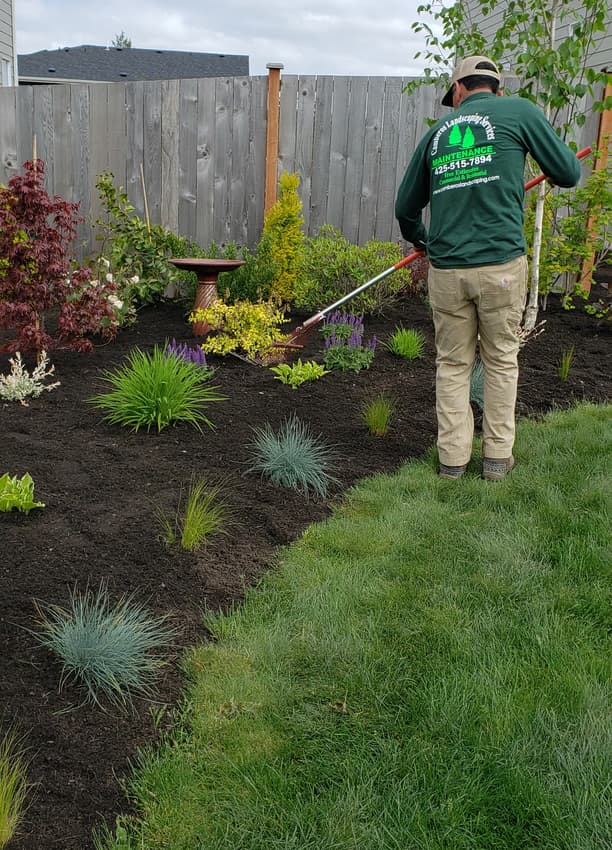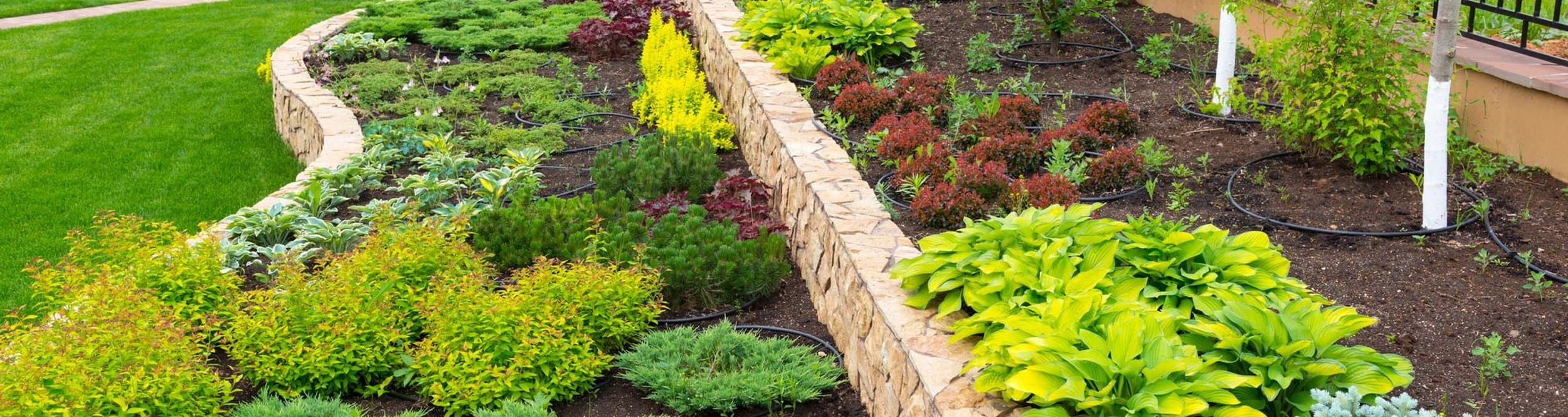
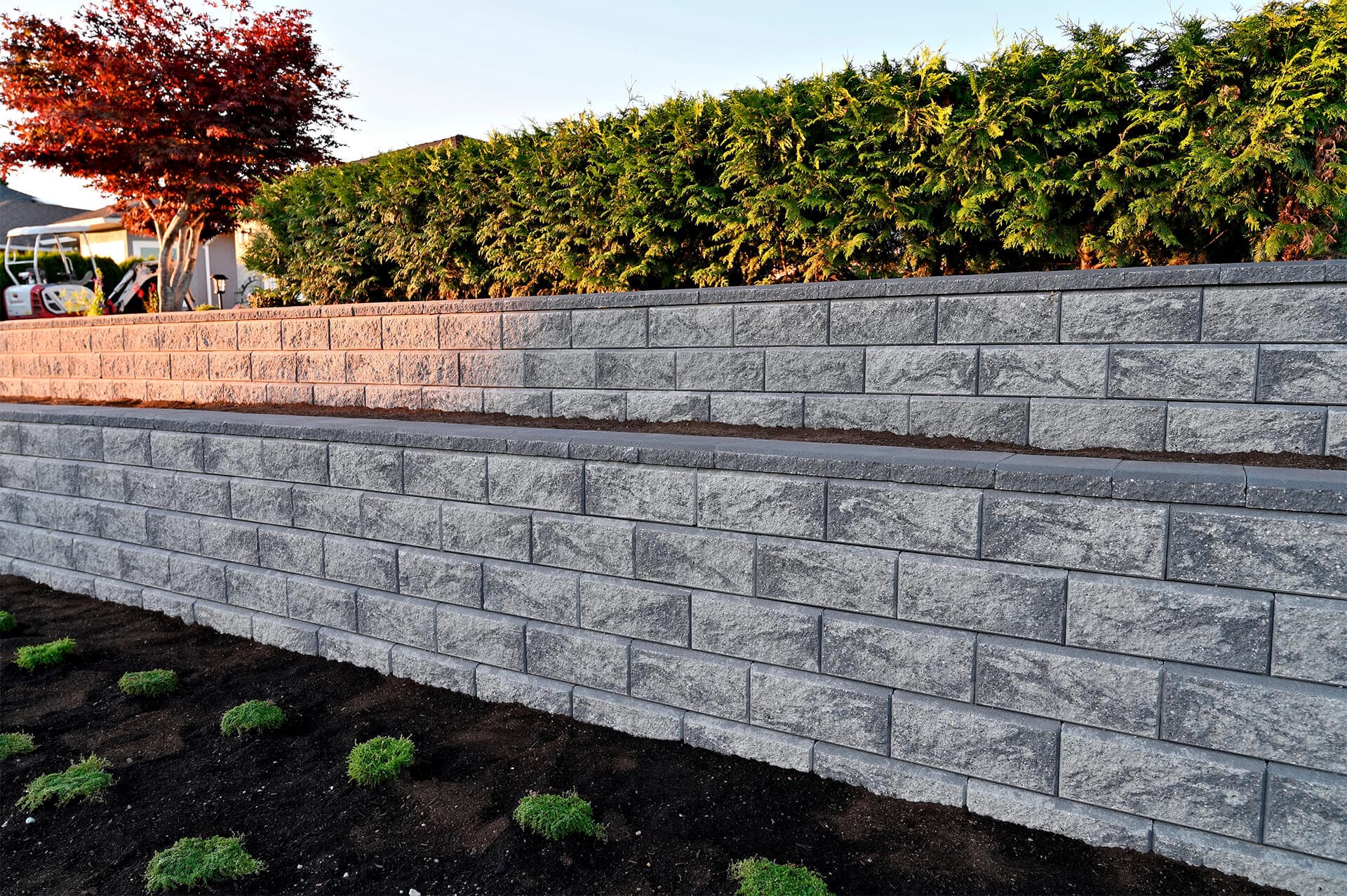
Stanwood is where the subdivisions run out and the fields start. Lots are larger, drives are longer, and the ground is the open, often heavy soil of a farm edge rather than a city fill pad. Large lots need a wall that holds a drive or a gentle cut, and then a lot of length that does not. We do not talk you into block you do not need.
Snohomish County · ZIP 98292 · 2020 population 7,915
A working edge, not a monument
Gravel and a stable slope solve a lot of rural grade. Where the drive is cutting or the barn pad is falling off, we build a real wall with a drain, because equipment above a wall is a load. The face might be block or it might be rock, depending on what we can get in the gate.
Long, low edges can be a mow curb or a single row of stone. We price the structure and the edge separately so you can see which is which.
The ground in Stanwood
A Stanwood place might be a house, a lawn that is really a small pasture, a gravel drive, and a fence that has to mean something — keeping a view open, marking a line, holding a gentle slope. We mow and aerate at a scale that does not make sense on a Lynnwood lot. Weed pressure is real because the seed source is the field next door, not a crack in a sidewalk.
Drainage still matters. Flat or gently sloping heavy ground will sit wet. We use gravel where a paved drive would be wasted money, and a low wall where a bank needs a clean edge. Plantings can be simpler and tougher. The goal on a lot this size is a yard you can live in without a crew every week, with the edges kept and the drive solid.
How we do the work
A retaining wall is a structure. The part you see is the block, the boulder, or the timber. The part that keeps it standing is the base, the batter or the geogrid, and the drain rock behind it. We do not stack block on the sod and call it a wall.
Height decides everything. A low garden wall and a wall holding a drive are not the same detail, the same permit, or the same price. We measure the retained dirt, not the face you wish it were.
What we look at first
- Retained height, at the tallest point
- What is above the wall: a lawn, a drive, a house
- Water coming down the slope
- Access for block or for boulders
What changes the price
Height, length, access, how much soil we have to move, and whether the wall holds a car or a flower bed. We measure those. A per-foot number shouted from the sidewalk ignores the tallest bay, which is the bay that costs the money.
Block, rock, or timber
Engineered block is predictable and what we use when the height or the permit wants an engineered system. Boulders fit the foothills and the older yards. Timber is a short-life choice in the wet, and we will say how many years you are buying.
The base
Compacted rock, buried enough that the first course is not sitting in the organic layer. A wall is not a stack. If the base is soft, we dig out and replace it. There is no fabric or foam that fixes a bad base.
More from this crew
- Retaining walls across Snohomish County
- Rock walls in Stanwood
- French drain installation in Stanwood
- Hardscaping in Stanwood
- Patio installation in Stanwood
- Retaining walls in Arlington
- Retaining walls in Marysville
Sources for the climate and the water
- USDA plant hardiness map for choosing plants that can take a Snohomish County winter.
- EPA WaterSense on watering less once a lawn or a new planting is established.
- EPA Soak Up the Rain on keeping roof and yard water from becoming someone else’s problem.