Mill Creek was laid out as a planned city: curving streets, townhome slopes, golf-course edges, and lawns that were meant to look trimmed from the day the house sold. The soils are the soils of a graded subdivision, and the rain is the same county rain that finds every low corner. These lots were designed once, quickly. The useful redesign is drainage, a real patio, and plants that are not a row of the same shrub dying in the same bark.
Snohomish County · ZIP 98012 · 2020 population 20,799
A quieter version of the builder yard
We keep the street face simple and spend the thought on the private side: a floor outside the slider, a small wall if the grade needs it, a tree that will not eat the foundation. Irrigation gets redesigned with the planting, not left spraying the fence.
You do not need a different personality from the rest of the street. You need the parts that were thin to be built correctly.
The ground in Mill Creek
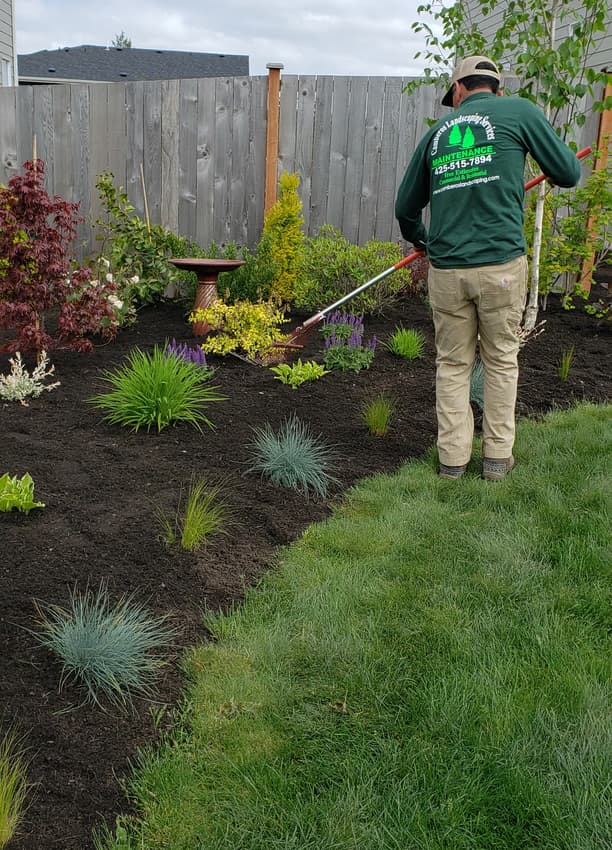
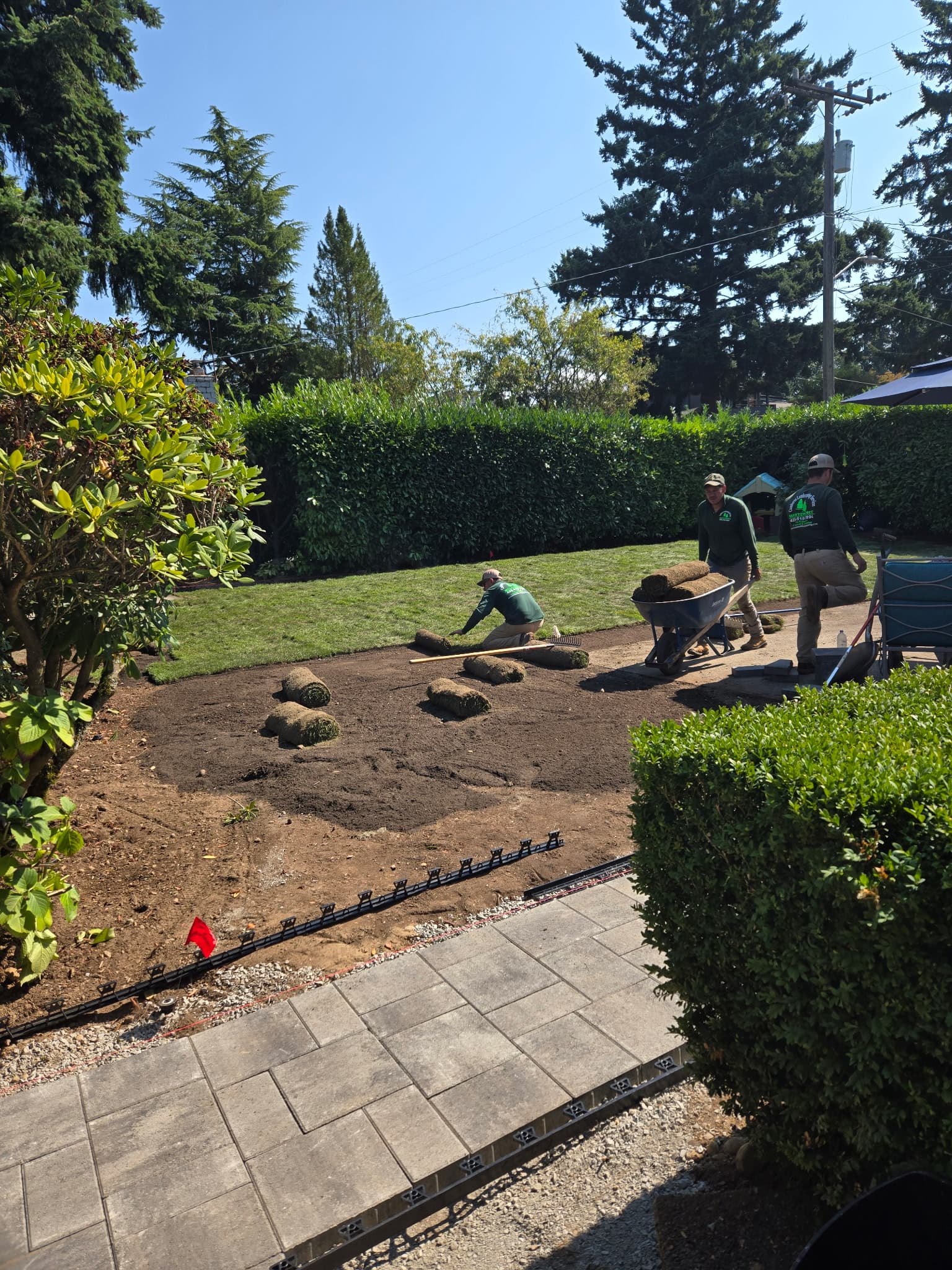
The expectation here is a clean edge. Lawns get mowed on a schedule, aerated before they mat down, and fertilized lightly enough that we are not just feeding the moss. Townhome and hillside lots need low walls and tight paver work more than they need a big landscape renovation. Bark beds are there to keep the mulch line straight and the weeds out of the front that faces the street.
We still find the same drainage mistakes as everywhere else: downspouts tied to nothing, and patios pitched back at the siding. The difference is that a small failure shows, because the rest of the street is kept. Native shrubs fit the greenbelts behind the houses. A tropical plant list does not survive the first wet winter, and it will not match the neighborhood even if it did.
How we do the work
Design starts on the lot, not on a template. We look at the doors, the wet spots, the trees worth keeping, and the part of the yard you never use. The drawing, if you want one, comes after that. A plan that ignores January water is a picture.
We design what this crew can build: grade, drainage, patios, walls, planting that belongs in Snohomish County. We do not hand you a tropical planting plan and a hope. You can hire us to design only, or to design and build. The fee is clearer when those are separate.
What we look at first
- How you want to use the yard, in plain language
- The wet spots and the slopes
- Trees and structures that stay
- A budget range, so the plan is not a fantasy
Plants
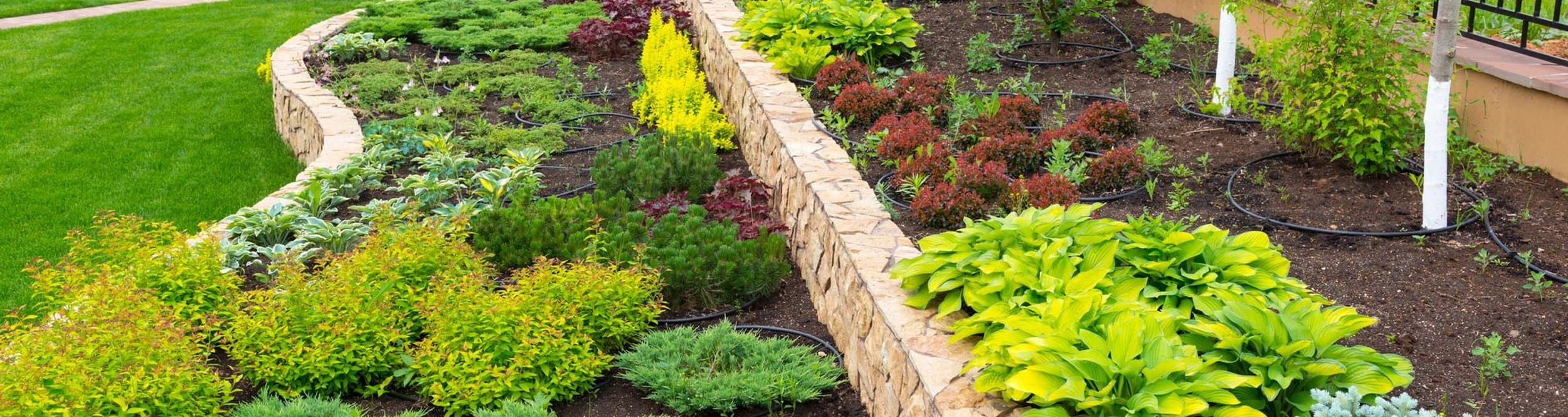
Chosen for this rain, this soil, and the light on that side of the house. Natives where they do the job, ordinary tough shrubs where you want something you can buy again. We do not specify a plant we cannot get or cannot keep alive here.
Design without the build
You can take the plan elsewhere. We would rather build it, and the plan will say the details we know matter: base depth, drain outlets, plant sizes. A vague plan is hard for anyone to bid. We try not to write those.
What you leave with
A marked plan you can build from: surfaces, walls, drains, and a plant list that names real plants. Not a watercolor with no scale. If you only need us to lay it out on the ground and build, we do not force a drawing set on you.
More from this crew
- Landscape design across Snohomish County
- Landscaping in Mill Creek
- Patio installation in Mill Creek
- Hardscaping in Mill Creek
- Beauty bark in Mill Creek
- Landscape design in Bothell
- Landscape design in Lynnwood
- Landscape design in Everett
Sources for the climate and the water
- USDA plant hardiness map for choosing plants that can take a Snohomish County winter.
- EPA WaterSense on watering less once a lawn or a new planting is established.
- EPA Soak Up the Rain on keeping roof and yard water from becoming someone else’s problem.