Snohomish is the old river town. Downtown sits above the Snohomish River, the houses have mature trees, and a lot of the gardens were planted decades ago and then left to get big. The ground near the river stays wet. The hills just south of it do not. The low end of a river-town lawn stays soft after the rest looks mowable. One pass there leaves a track that holds water until June.
Snohomish County · ZIP 98290 · 2020 population 10,091
Skip the bottom when it is soft
We mow the firm ground and we stop at the soft line, even if it looks shaggy. Shaggy and intact beats rutted. When it firms, we catch it up with the deck raised so we are not shocking pale grass.
Leaves in fall are part of the visit or they become the mat we have to dethatch. We will tell you when a mow has turned into a cleanup and price it that way instead of pretending the mower ate a foot of wet leaves.
The ground in Snohomish
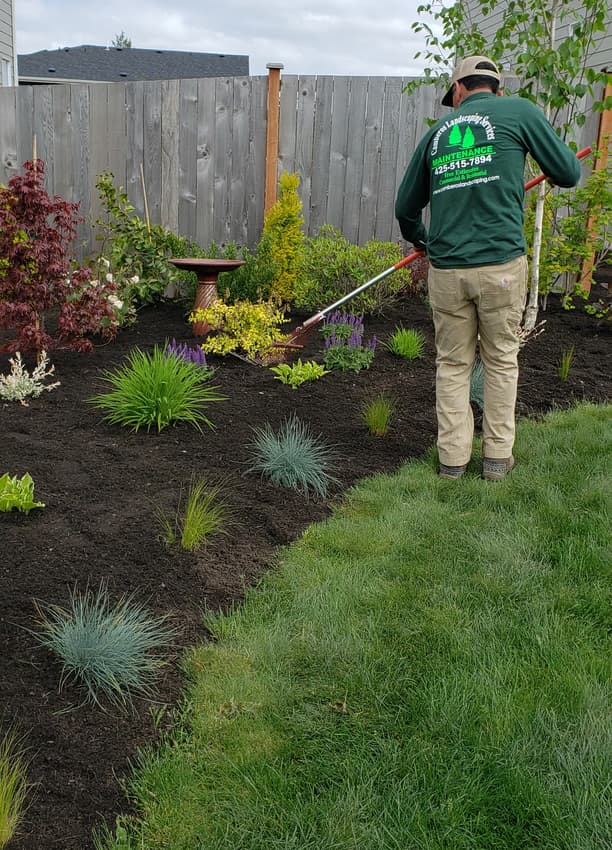
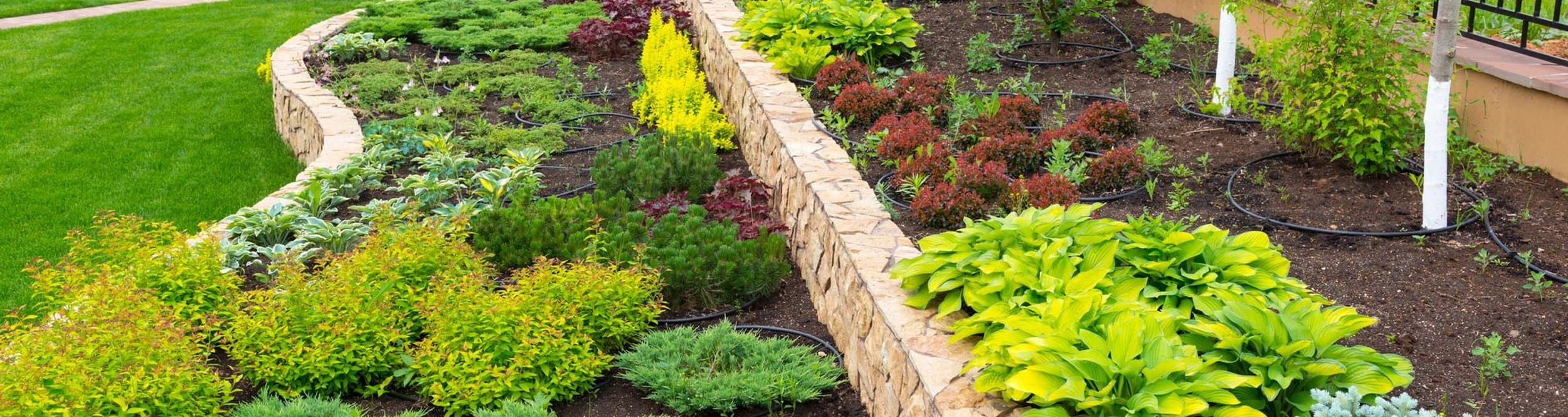
Historic lots come with plants nobody planned: a cedar too close to the porch, a lilac that has swallowed the walk, beds that were neat in 1998 and are roots and bindweed now. Pruning and a hard cleanup are often the whole first phase. Bark, used with a little restraint, puts a finished line back on a Victorian front without covering the problem.
Closer to the river, drains matter. Riparian edges want native plants that can take wet soil, not a sod lawn rolled to the bank. We do not haul fill into the floodplain to “raise the yard” without understanding where that water will go next. Uphill, in the newer pockets, the work looks more like the rest of the county: lawns, small patios, and moss.
How we do the work
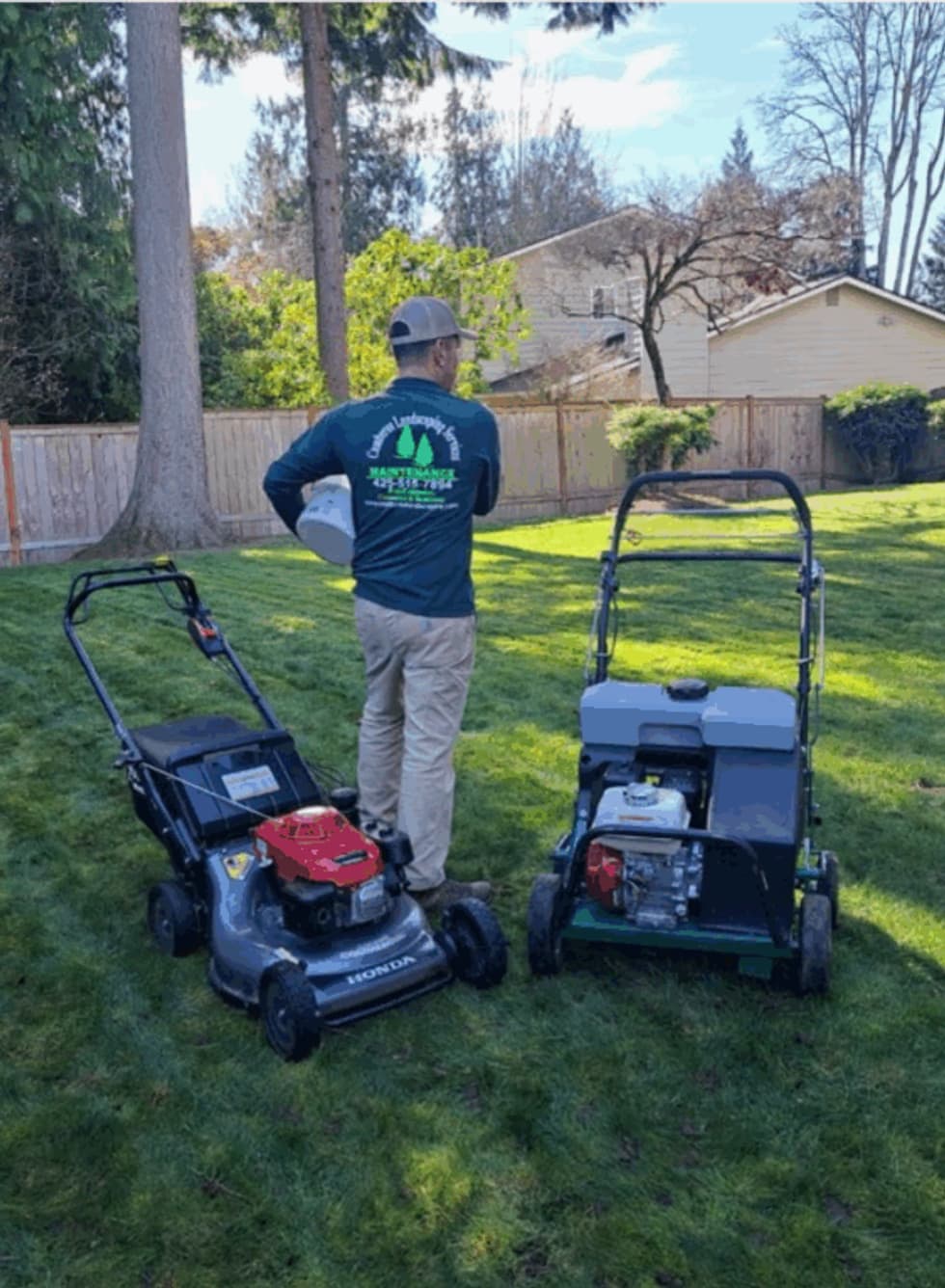
We mow higher than most people expect, especially from October through May, because a short lawn in this climate is a moss invitation. Blades stay sharp. Dull mowing tears wet grass and leaves the gray tips everyone blames on fertilizer.
Clippings stay on the lawn when they are short. They are not thatch. Bags come out when the grass is long and wet and would clump. We do not mow a saturated yard into ruts and call it service. We skip or we reschedule that corner.
Edges are trimmed. Walks are blown. A mow that leaves a windrow on the sidewalk is not finished.
What we look at first
- How soft the ground is that morning
- Obstacles, toys, and the wet spot we should walk around
- Edges that need a trimmer without scalping the tree wells
- Whether the lawn wants a higher set this month
What weekly means here
In the surge of spring, weekly. In a dry August, often every other week. In a soaked January, sometimes not at all. A rigid calendar ruts wet lawns and scalps dormant ones. We mow when the grass is growing and the ground can take the machine.
Edges
Trimmer lines along walks and beds, kept vertical. We do not trench the edge a little deeper every visit. When the bed line is lost, that is an edging job with a blade, once, not a weekly excavation.
Clippings
Short clippings stay. They feed the lawn. Long wet clumps get removed because they smother and they track into the house. Bagging every light mow just to have a empty look is how the lawn gets hungry.
More from this crew
- Lawn mowing across Snohomish County
- Lawn aeration in Snohomish
- Lawn fertilization in Snohomish
- Lawn weed control in Snohomish
- Yard cleanup in Snohomish
- Lawn mowing in Monroe
- Lawn mowing in Everett
- Lawn mowing in Lake Stevens
Sources for the climate and the water
- USDA plant hardiness map for choosing plants that can take a Snohomish County winter.
- EPA WaterSense on watering less once a lawn or a new planting is established.
- EPA Soak Up the Rain on keeping roof and yard water from becoming someone else’s problem.