Snohomish is the old river town. Downtown sits above the Snohomish River, the houses have mature trees, and a lot of the gardens were planted decades ago and then left to get big. The ground near the river stays wet. The hills just south of it do not. Buttercup and rush on the river side of the yard are telling you where the water sits. Spray does not move the water.
Snohomish County · ZIP 98290 · 2020 population 10,091
Wet-ground weeds on the low side
We treat lawn weeds on the dry bench. On the low ground we identify what is actually there. Some of it is wetland plants doing their job, and killing them leaves mud that washes. If you want that area usable, the work is fill above the flood line or a drain, and we will not pretend a jug replaces it.
Blackberries on the fenceline get cut and managed. They are not a lawn weed.
The ground in Snohomish
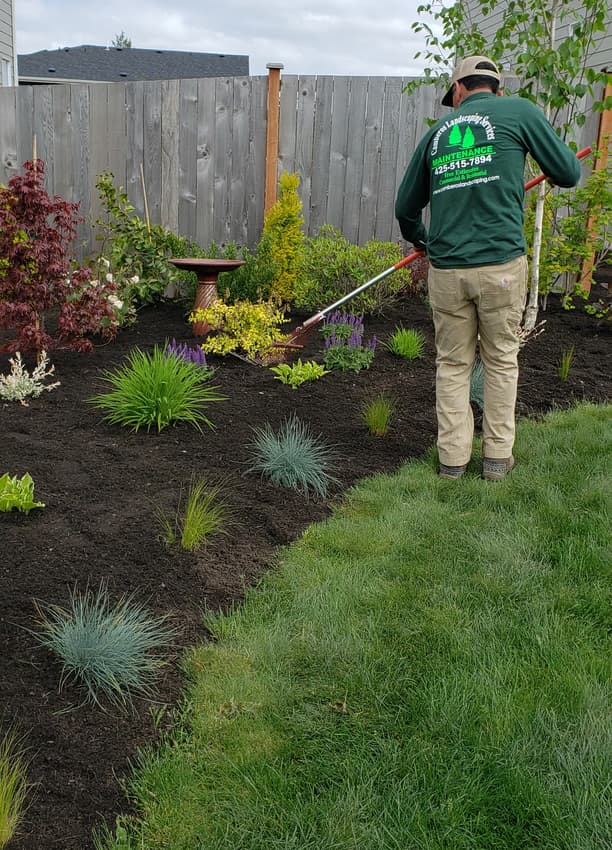
Historic lots come with plants nobody planned: a cedar too close to the porch, a lilac that has swallowed the walk, beds that were neat in 1998 and are roots and bindweed now. Pruning and a hard cleanup are often the whole first phase. Bark, used with a little restraint, puts a finished line back on a Victorian front without covering the problem.
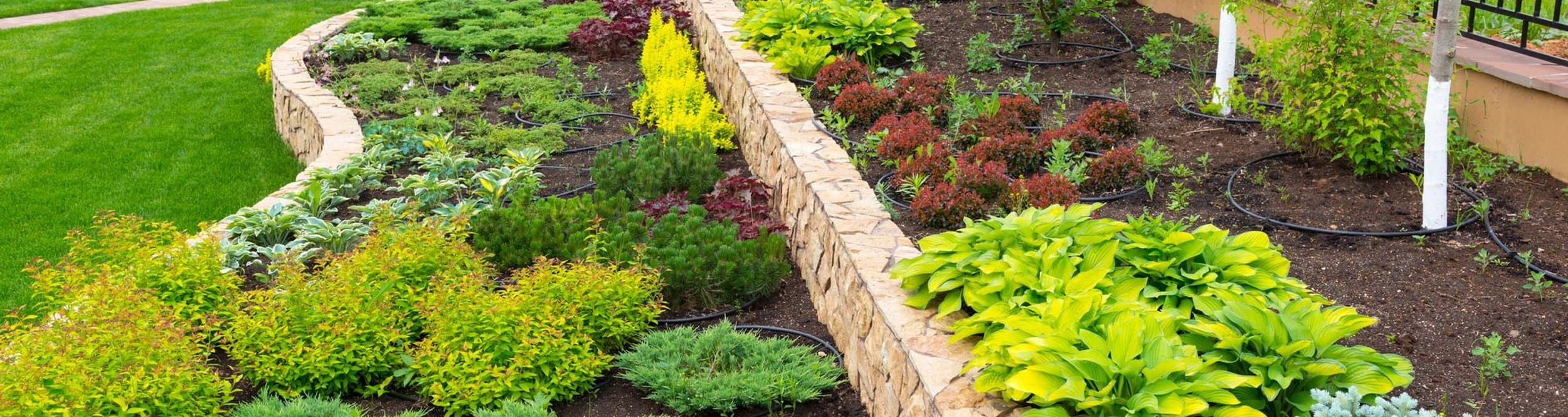
Closer to the river, drains matter. Riparian edges want native plants that can take wet soil, not a sod lawn rolled to the bank. We do not haul fill into the floodplain to “raise the yard” without understanding where that water will go next. Uphill, in the newer pockets, the work looks more like the rest of the county: lawns, small patios, and moss.
How we do the work
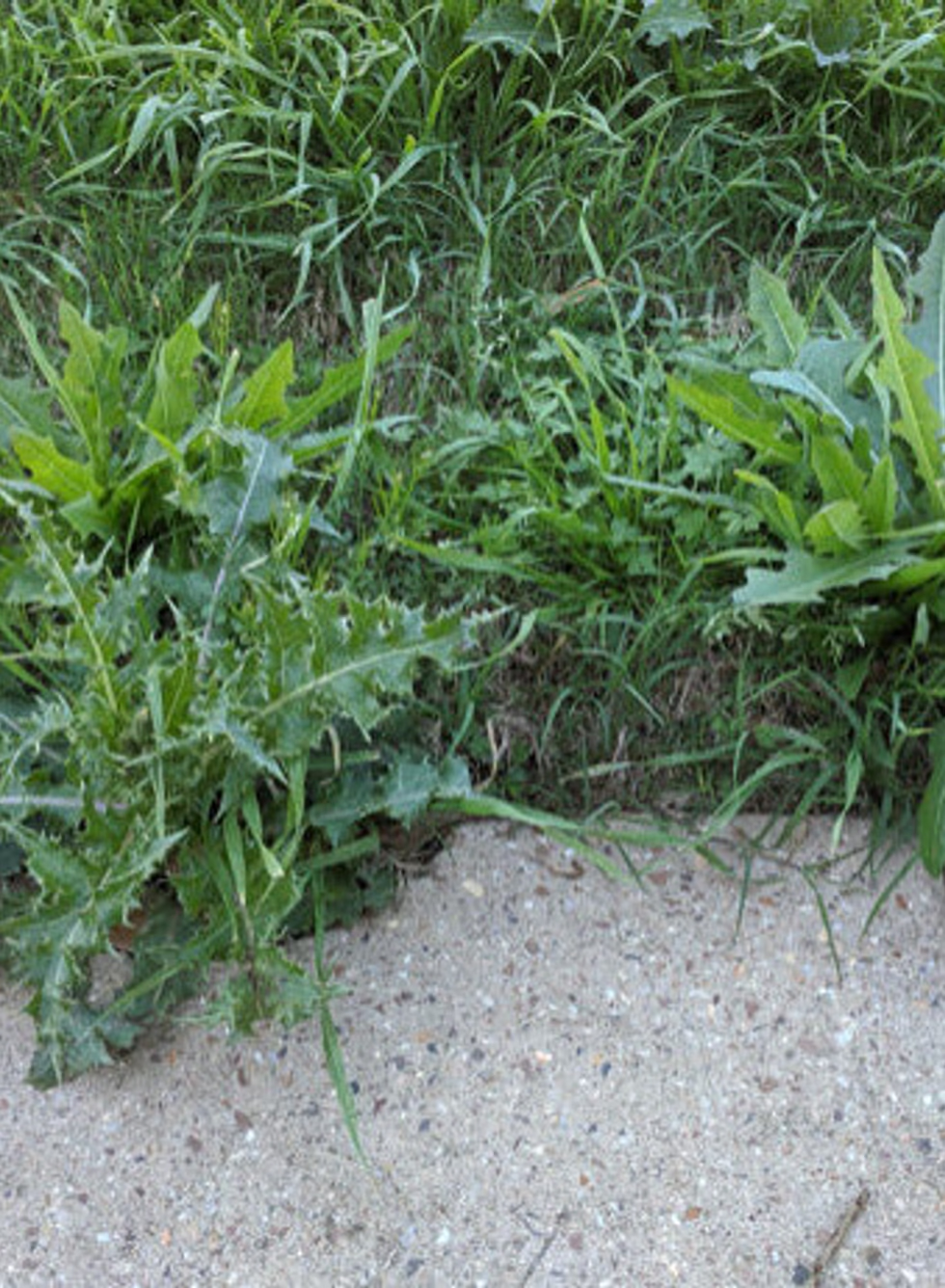
Buttercup, dandelion, and clover in a lawn usually mean the grass is thin, the soil is wet or sour, or the mowing is too short. Spray on a lawn that is mostly weed is a brown yard. We thicken the grass and treat the weeds that are actually invaders, and we tell you when the lawn should be renovated instead.
In beds, the honest tools are a thick bark layer, a pulled root, and a edge that the field cannot cross. Pre-emergent has a place on gravel and on open soil. It is not a substitute for three inches of bark in a bed that was never mulched.
What we look at first
- Which weed it is, because buttercup and horsetail are not the same job
- How much of the lawn is still grass
- Wet spots that will regrow the weed no matter what we spray
- Beds versus turf, so we are not putting a lawn product in a shrub bed
Spot treat, do not fog
A targeted application on the weeds you can name beats a broadcast that yellows the grass and still misses the roots in a wet spot. We would rather make a second short visit than burn a lawn to get the dandelions.
Horsetail and buttercup
Both point at water. Horsetail especially will laugh at a single spray. We can suppress it and we will tell you it returns if the seep stays. Drainage is the actual fix. We do not sell a secret jug for it.
Bare spots need seed
A dead weed is a hole. In a lawn, that hole is the next weed unless grass fills it. We seed the opening when the product label and the season allow, or we come back and seed. Leaving dirt is not a finished visit.
More from this crew
- Lawn weed control across Snohomish County
- Lawn fertilization in Snohomish
- Lawn aeration in Snohomish
- Beauty bark in Snohomish
- Lawn mowing in Snohomish
- Lawn weed control in Monroe
- Lawn weed control in Everett
- Lawn weed control in Lake Stevens
Sources for the climate and the water
- USDA plant hardiness map for choosing plants that can take a Snohomish County winter.
- EPA WaterSense on watering less once a lawn or a new planting is established.
- EPA Soak Up the Rain on keeping roof and yard water from becoming someone else’s problem.