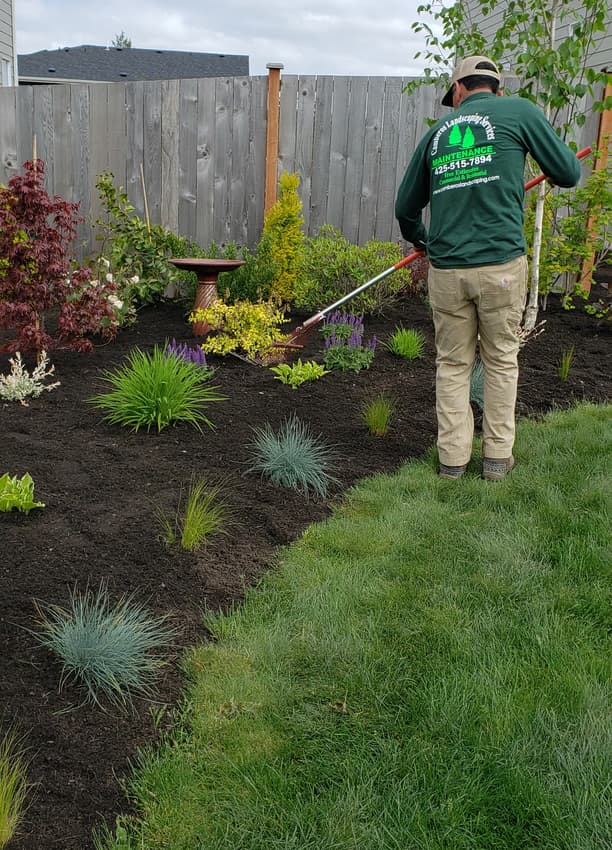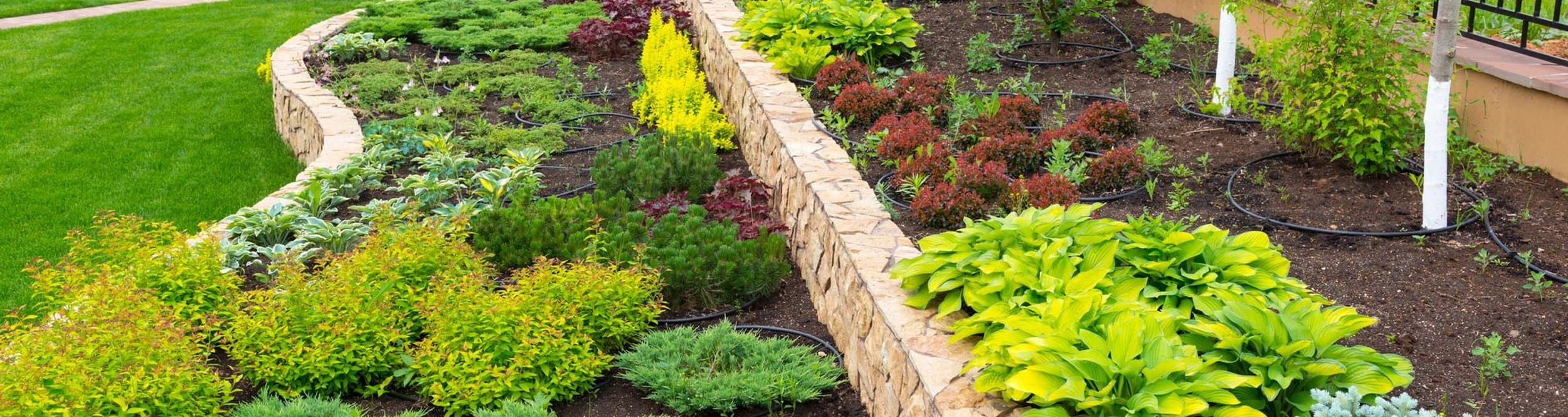
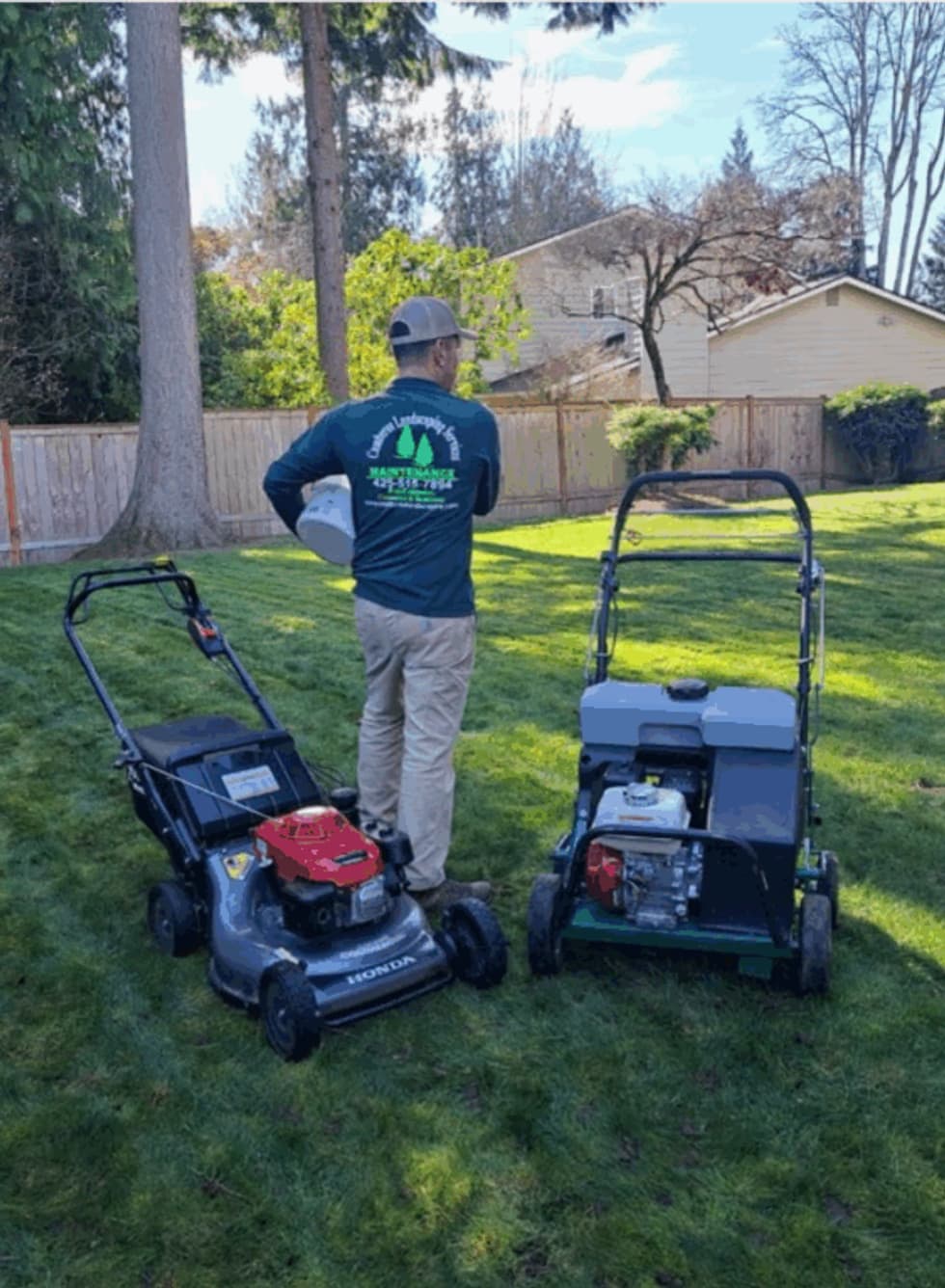
Everett is the big city in the county, and the ground changes block to block: waterfront fill, older neighborhoods with tired topsoil, and tighter lots where the roof and the driveway shed more water than the yard can swallow. Boeing and the working waterfront are the backdrop. The yards are ordinary residential lots with city drainage problems. City lawns get the same path every week, and that path becomes a compacted stripe. We vary the pass when the yard allows, and we keep the deck up in the wet months.
Snohomish County · ZIP 98201 · 2020 population 110,002
Small lawns, sharp blades, no ruts by the gate
Gates, fences, and a wet strip by the downspout are the whole job. We trim the edges, blow the walk, and leave the yard usable the same afternoon. If the lawn is small enough that mowing takes twenty minutes, we still will not scalp it to make it look “fresh.”
Weekly is right in May. Every other week is right in August if it is dry, and it is wrong in April. We schedule to the growth, and we tell you when winter service should pause.
The ground in Everett
On a typical Everett lot the soil has been graded, driven on, and patched for years. It sheds or it puddles, and it rarely does the quiet middle thing a new lawn needs. Downspouts often end in a splash block ten inches from the foundation. That is the puddle by the basement window.
We work from the waterfront streets up into the neighborhoods near the naval station and out toward the valley. Access is the constraint people forget: a machine that fits a Mill Creek cul-de-sac may not fit a fenced backyard off Broadway. Permeable pavers and a short French drain solve more Everett problems than a bigger patio. Lawns here are for people who want the grass cut and the moss knocked back, not a show lawn. We schedule mowing and aeration around that.
How we do the work
We mow higher than most people expect, especially from October through May, because a short lawn in this climate is a moss invitation. Blades stay sharp. Dull mowing tears wet grass and leaves the gray tips everyone blames on fertilizer.
Clippings stay on the lawn when they are short. They are not thatch. Bags come out when the grass is long and wet and would clump. We do not mow a saturated yard into ruts and call it service. We skip or we reschedule that corner.
Edges are trimmed. Walks are blown. A mow that leaves a windrow on the sidewalk is not finished.
What we look at first
- How soft the ground is that morning
- Obstacles, toys, and the wet spot we should walk around
- Edges that need a trimmer without scalping the tree wells
- Whether the lawn wants a higher set this month
Height by season
Higher from late fall through spring. Slightly lower in a dry August if the lawn is healthy, never down to the crown. The number on the deck matters less than not seeing soil and not tearing wet tips.
What weekly means here
In the surge of spring, weekly. In a dry August, often every other week. In a soaked January, sometimes not at all. A rigid calendar ruts wet lawns and scalps dormant ones. We mow when the grass is growing and the ground can take the machine.
Clippings
Short clippings stay. They feed the lawn. Long wet clumps get removed because they smother and they track into the house. Bagging every light mow just to have a empty look is how the lawn gets hungry.
More from this crew
- Lawn mowing across Snohomish County
- Lawn aeration in Everett
- Lawn fertilization in Everett
- Lawn weed control in Everett
- Yard cleanup in Everett
- Lawn mowing in Mukilteo
- Lawn mowing in Marysville
- Lawn mowing in Lake Stevens
Sources for the climate and the water
- USDA plant hardiness map for choosing plants that can take a Snohomish County winter.
- EPA WaterSense on watering less once a lawn or a new planting is established.
- EPA Soak Up the Rain on keeping roof and yard water from becoming someone else’s problem.