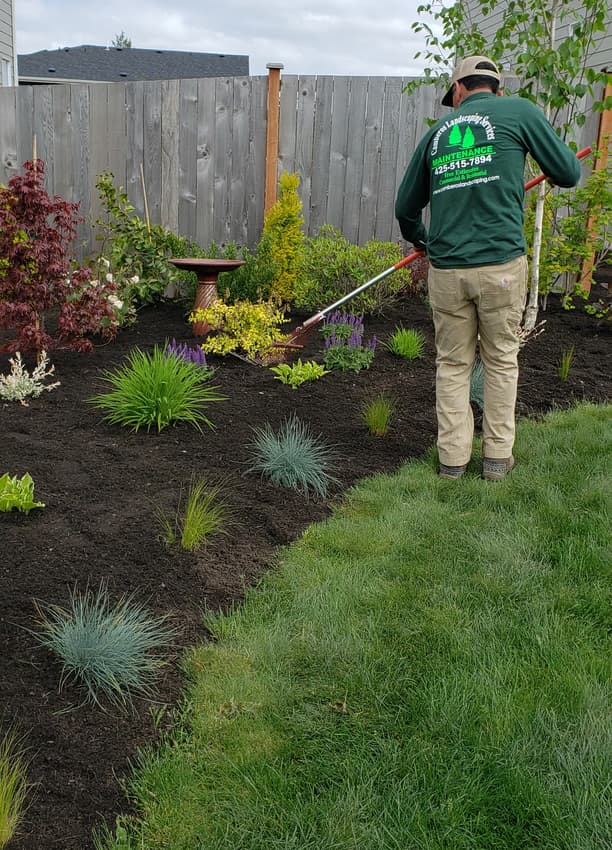
The lake is the point of the town, and it is also the drainage problem. Shoreline lots shed water toward the water, banks erode where wakes and winter rain meet a soft edge, and inland yards stay damp because the water table and the clay do not let a storm leave quickly. Weeds on a bank above the lake get pulled or replanted. We do not broadcast herbicide down a slope that sheds into the lake.
Snohomish County · ZIP 98258 · 2020 population 34,385
No blanket spray toward the water
The upper lawn can be spot-treated for ordinary broadleaf weeds, with a buffer before the bank. Yellowing that buffer is not a success. In the lawn away from the shore, buttercup still means a wet spot, and we treat it as one.
Beds get bark and hand work. That is slower and it is the right tool next to water.
The ground in Lake Stevens
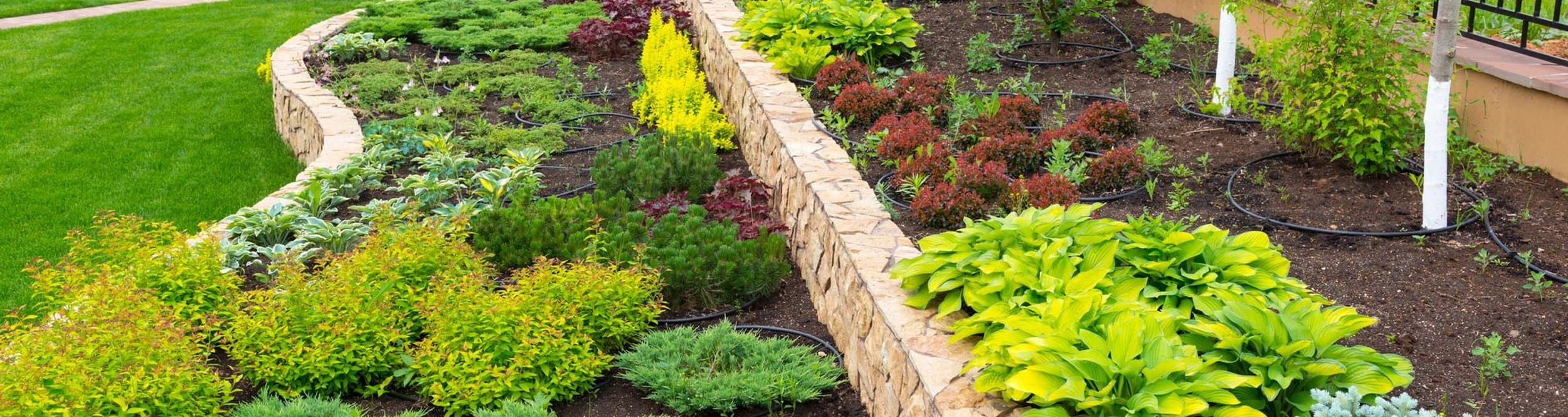
On the water, the work is the bank and the view. A retaining edge, native shoreline plants such as red osier dogwood, and a rain garden or a drain that slows runoff before it hits the lake do more for the property than a strip of sod at the top of an eroding slope. Fertilizer and bare soil washing into the lake are how a nice lawn becomes a neighbor problem.
Off the water, in the newer neighborhoods, the soils were compacted during construction and the lawns were rolled out on top. They look fine in July and sour in February. Aeration, a real topdressing, and getting the downspouts away from the foundation are the unglamorous jobs that keep those yards from turning to moss. Patios here are for the view. We build the base as if it will be wet half the year, because it will.
How we do the work
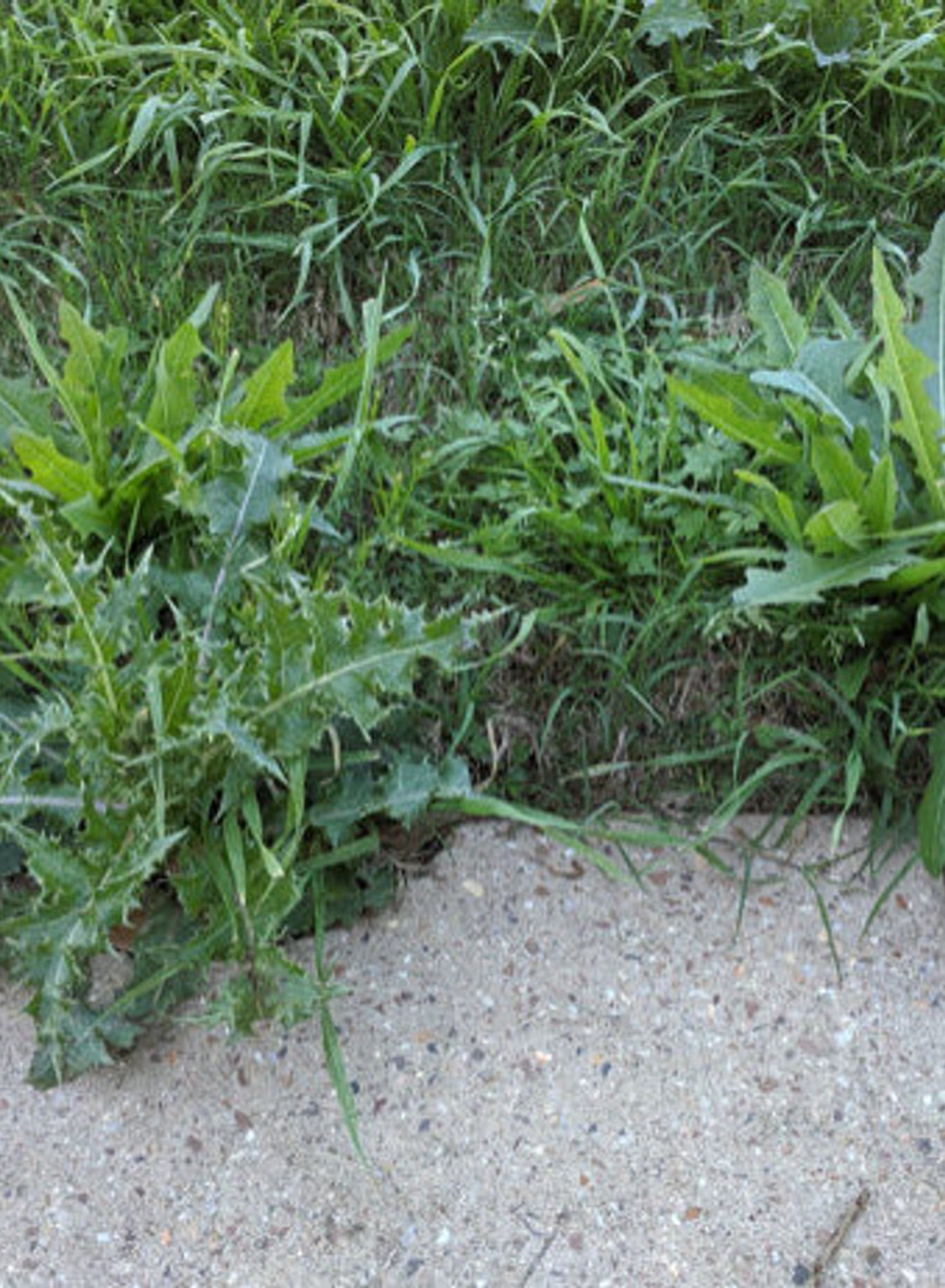
Buttercup, dandelion, and clover in a lawn usually mean the grass is thin, the soil is wet or sour, or the mowing is too short. Spray on a lawn that is mostly weed is a brown yard. We thicken the grass and treat the weeds that are actually invaders, and we tell you when the lawn should be renovated instead.
In beds, the honest tools are a thick bark layer, a pulled root, and a edge that the field cannot cross. Pre-emergent has a place on gravel and on open soil. It is not a substitute for three inches of bark in a bed that was never mulched.
What we look at first
- Which weed it is, because buttercup and horsetail are not the same job
- How much of the lawn is still grass
- Wet spots that will regrow the weed no matter what we spray
- Beds versus turf, so we are not putting a lawn product in a shrub bed
Horsetail and buttercup
Both point at water. Horsetail especially will laugh at a single spray. We can suppress it and we will tell you it returns if the seep stays. Drainage is the actual fix. We do not sell a secret jug for it.
Bare spots need seed
A dead weed is a hole. In a lawn, that hole is the next weed unless grass fills it. We seed the opening when the product label and the season allow, or we come back and seed. Leaving dirt is not a finished visit.
Spot treat, do not fog
A targeted application on the weeds you can name beats a broadcast that yellows the grass and still misses the roots in a wet spot. We would rather make a second short visit than burn a lawn to get the dandelions.
More from this crew
- Lawn weed control across Snohomish County
- Lawn fertilization in Lake Stevens
- Lawn aeration in Lake Stevens
- Beauty bark in Lake Stevens
- Lawn mowing in Lake Stevens
- Lawn weed control in Everett
- Lawn weed control in Marysville
- Lawn weed control in Snohomish
Sources for the climate and the water
- USDA plant hardiness map for choosing plants that can take a Snohomish County winter.
- EPA WaterSense on watering less once a lawn or a new planting is established.
- EPA Soak Up the Rain on keeping roof and yard water from becoming someone else’s problem.