Mercer Island sits in the middle of Lake Washington, so almost every street runs downhill to the water. Lots are steep, the tree canopy is old and tall, and the shoreline lots have banks that move when runoff from the street above has nowhere else to go. Moisture from the lake and from clay keeps moss alive. Dethatching a lawn that is still squishy tears it out in chunks and leaves mud.
King County · ZIP 98040
A wet mat next to wetter ground
We wait until the surface holds us. Then we lift the mat and get it off the property before a rain sticks it down again. If the “lawn” is a sponge that drains toward the water, raking is cosmetic. The grade or a drain has to change, and we should not be blowing moss and soil down the bank.
Inland from the shore, in the newer yards, the mat is ordinary and the fix is ordinary: rake, core, seed, and stop cutting it to the dirt.
The ground in Mercer Island
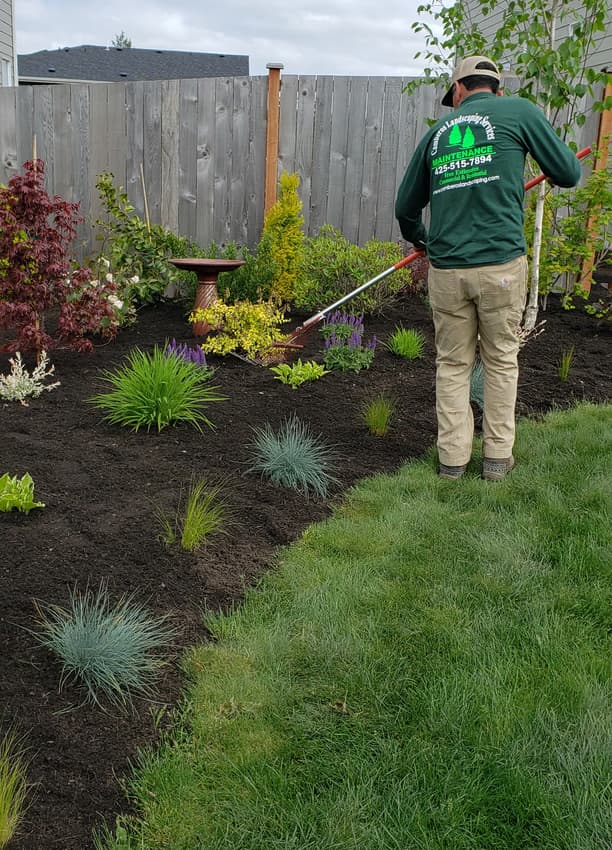
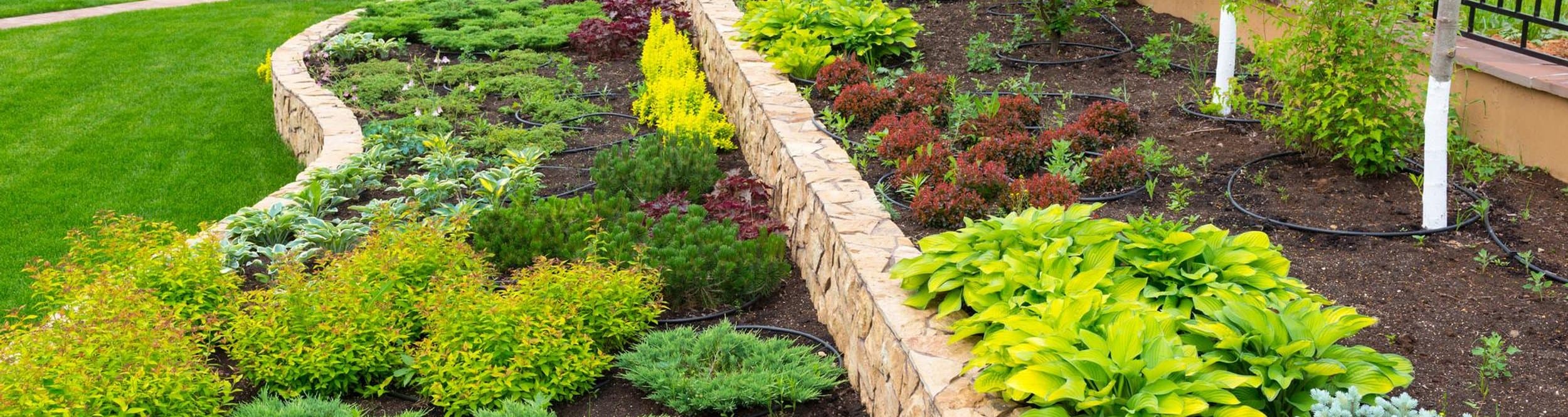
Most of our work here is on slopes. A patio or terrace has to be cut into the hill with a real base and a drain behind any wall, or the first wet winter shows where the water wants to go. On the lakefront lots we keep native shrubs on the bank, because they hold the soil better than lawn, and we take runoff to a drain or a rain garden instead of letting it sheet over the edge.
The city is strict about removing large trees and about work near the shoreline. We check what needs a permit before we cut or dig, and we plan around the trees you have to keep. Under those firs and cedars the ground is shady and mossy, so we often turn worn-out lawn into planting beds and stone paths that stay clean year-round.
How we do the work
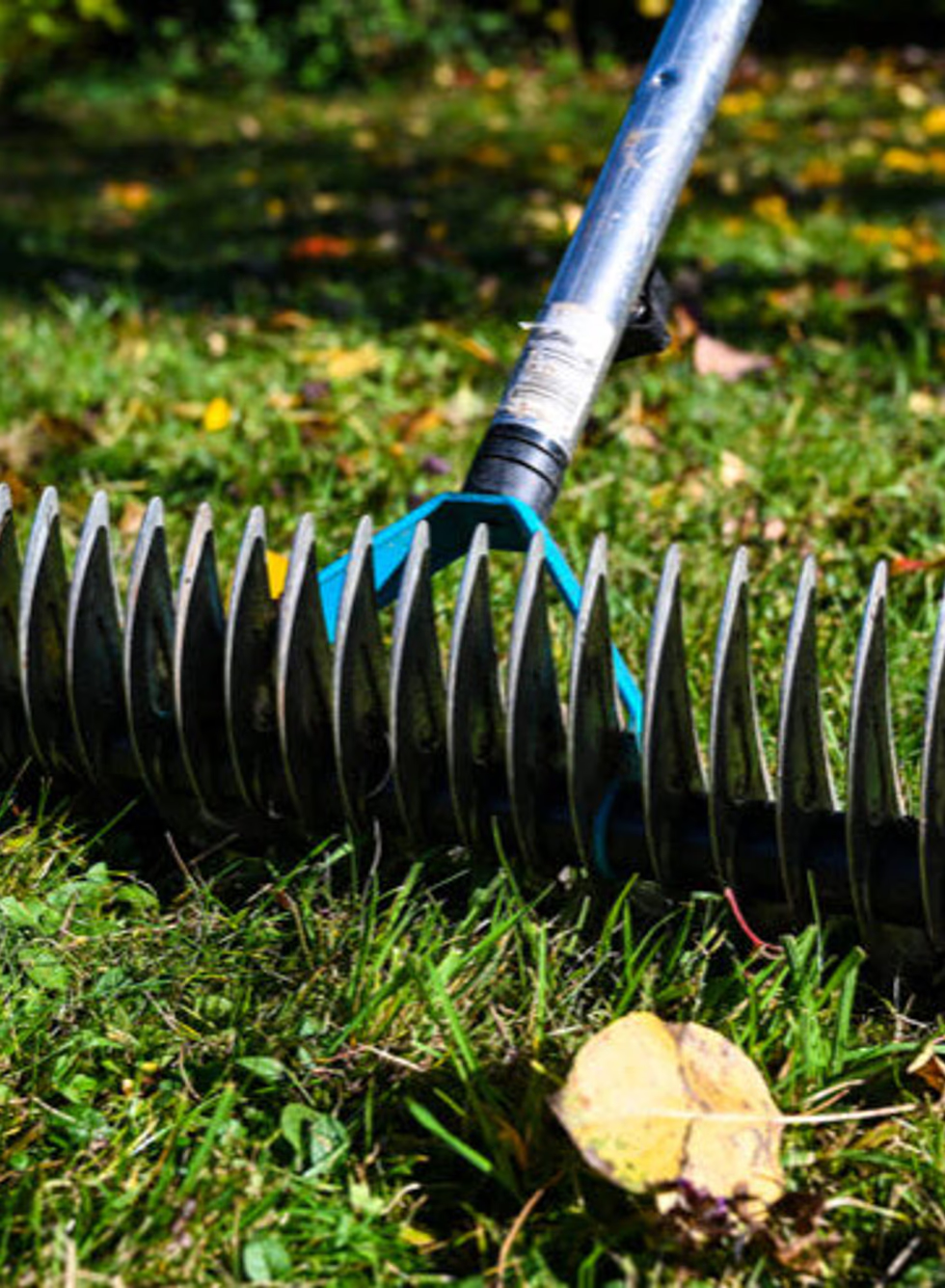
Thatch here is usually moss plus a layer of dead stems, not the classic Midwest straw mat. A power rake set too deep tears out the live grass and leaves a scar. We set the blades to lift the mat and stop when we are in soil.
The debris has to leave the property. A thatch layer raked into the bed or left in windrows just moves the problem. We haul it. If the lawn underneath is mostly dirt and shade, dethatching is the start of a different plan, not a greener lawn by itself.
What we look at first
- How thick the moss mat is
- Whether live grass is under it or the mat is the whole lawn
- Irrigation and mowing height that are growing the thatch back
- A place to stage the trailer so we are not blocking a tight drive
Hauling is part of the job
A dethatched lawn produces a surprising pile, wet and heavy. We load and remove it. Spreading it in the beds plants the moss and the weed seed you just paid to lift.
Pairing it with aeration
On clay and fill we dethatch and then core, in that order. Cores through a mat waste the tines. Seed goes into the opened ground the same day when the season allows.
Mowing height afterward
Cutting to the dirt is how the mat comes back. We leave the grass taller than a golf collar, especially in shade. Tall enough to shade its own soil, short enough to walk.
More from this crew
- Lawn dethatching across the region
- Lawn aeration in Mercer Island
- Lawn seeding in Mercer Island
- Lawn mowing in Mercer Island
- Lawn fertilization in Mercer Island
- Lawn dethatching in Sammamish
Sources for the climate and the water
- USDA plant hardiness map for choosing plants that can take a King County winter.
- EPA WaterSense on watering less once a lawn or a new planting is established.
- EPA Soak Up the Rain on keeping roof and yard water from becoming someone else’s problem.