Mercer Island sits in the middle of Lake Washington, so almost every street runs downhill to the water. Lots are steep, the tree canopy is old and tall, and the shoreline lots have banks that move when runoff from the street above has nowhere else to go. Lake-adjacent ground stays cool and wet. Aeration helps only if the lawn is not sitting in water. If it is, the drain comes first.
King County · ZIP 98040
Damp lawns that never quite dry
A lawn that squishes in June has a water problem, not a compaction problem. We will not core a yard that is still holding last week’s rain; the machine makes mud and the holes collapse. When the surface can take weight, cores open the mat so oxygen gets to roots that have been sitting wet.
On shoreline lots we are careful about what we do with the plugs and any fertilizer. Soil and nutrients washing toward the lake are the problem the bank is already having. Cores stay on the lawn. Nothing gets blown down the slope.
The ground in Mercer Island
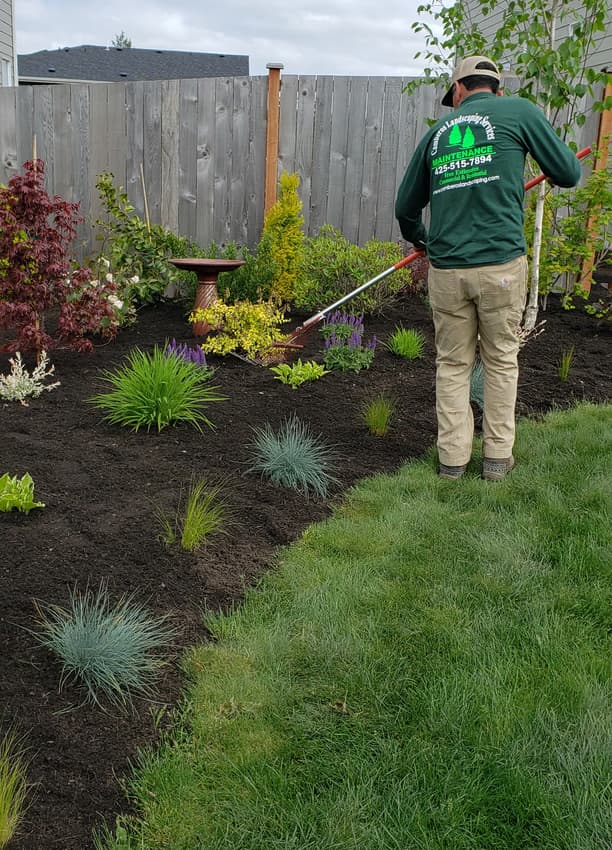
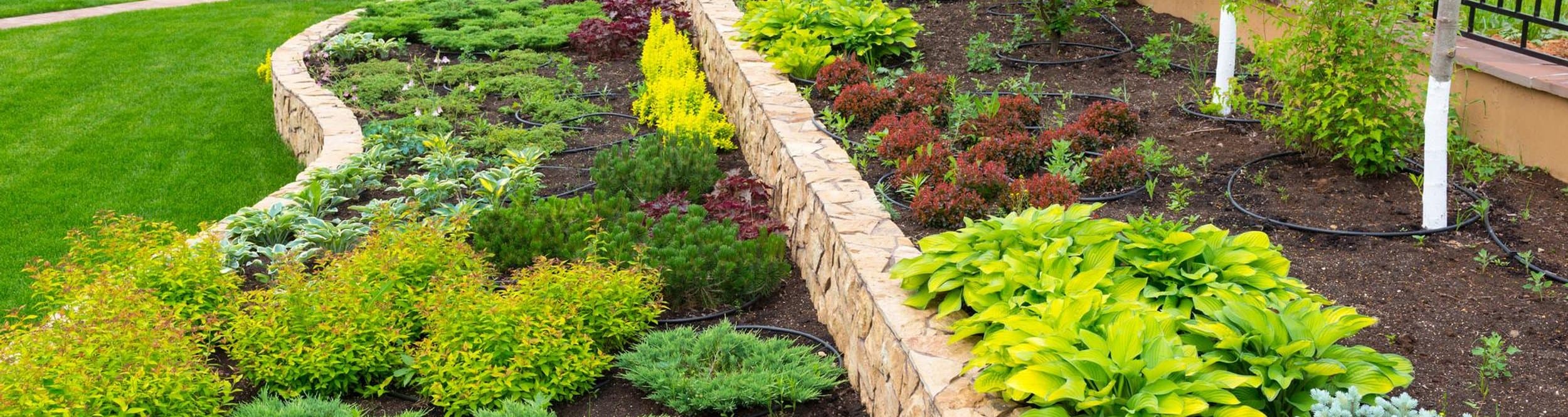
Most of our work here is on slopes. A patio or terrace has to be cut into the hill with a real base and a drain behind any wall, or the first wet winter shows where the water wants to go. On the lakefront lots we keep native shrubs on the bank, because they hold the soil better than lawn, and we take runoff to a drain or a rain garden instead of letting it sheet over the edge.
The city is strict about removing large trees and about work near the shoreline. We check what needs a permit before we cut or dig, and we plan around the trees you have to keep. Under those firs and cedars the ground is shady and mossy, so we often turn worn-out lawn into planting beds and stone paths that stay clean year-round.
How we do the work
We pull cores, we do not poke holes. A spike aerator squeezes the soil tighter around each puncture, which is the opposite of what a Western Washington lawn needs. Cores are about three inches, left on the grass to break apart in the rain. The visit is timed for soil that is moist enough to take the tine and dry enough that the machine does not leave ruts.
If the thatch is thicker than a finger, aerating through it only decorates the moss. Those lawns get dethatched first. Lime is a separate decision. A lot of local soil is sour, and we spread lime when the lawn shows it, not because a calendar said March.
What we look at first
- Thatch depth before we core
- Whether the ground ruts under foot
- Shade from trees that will keep the lawn thin no matter how often we aerate
- Downspouts dumping onto the same corner every winter
Seed in the holes
Aeration without seed is enough when the lawn is thick and you are only relieving compaction. When you can see soil between the plants, we put seed in the openings the same day. Seed on an unaerated moss mat is bird food.
What we leave behind
Plugs on the grass for a few days, then they fall apart. You can mow when they crumble. Watering is only needed if we seeded and the week turned dry, which is rare here. Stay off the soft spots until the footprints disappear.
When we show up
The useful months are April into early June, and again in September. Midsummer cores on a dry lawn shatter and the holes collapse. January cores on saturated ground are ruts. We would rather wait a week than leave you with tracks.
More from this crew
- Lawn aeration across the region
- Lawn dethatching in Mercer Island
- Lawn seeding in Mercer Island
- Lawn fertilization in Mercer Island
- Lawn mowing in Mercer Island
- Lawn aeration in Sammamish
Sources for the climate and the water
- USDA plant hardiness map for choosing plants that can take a King County winter.
- EPA WaterSense on watering less once a lawn or a new planting is established.
- EPA Soak Up the Rain on keeping roof and yard water from becoming someone else’s problem.