Stanwood is where the subdivisions run out and the fields start. Lots are larger, drives are longer, and the ground is the open, often heavy soil of a farm edge rather than a city fill pad. Sodding an acre is rarely the right spend. The house yard, the part you see and walk, is the part worth rolls. The rest is seed.
Snohomish County · ZIP 98292 · 2020 population 7,915
Sod the yard, not the field
We measure the real rectangle. Prep on heavy ground still means loosening and draining, or the sod fails in plates just like it would on a small lot. Access is usually easy, which makes people think the job is easy. The soil work is the same.
A sod panel set into a larger seeded lawn needs the same soil level or you feel the lip forever. We cut that transition on purpose, not as an afterthought.
The ground in Stanwood
A Stanwood place might be a house, a lawn that is really a small pasture, a gravel drive, and a fence that has to mean something — keeping a view open, marking a line, holding a gentle slope. We mow and aerate at a scale that does not make sense on a Lynnwood lot. Weed pressure is real because the seed source is the field next door, not a crack in a sidewalk.
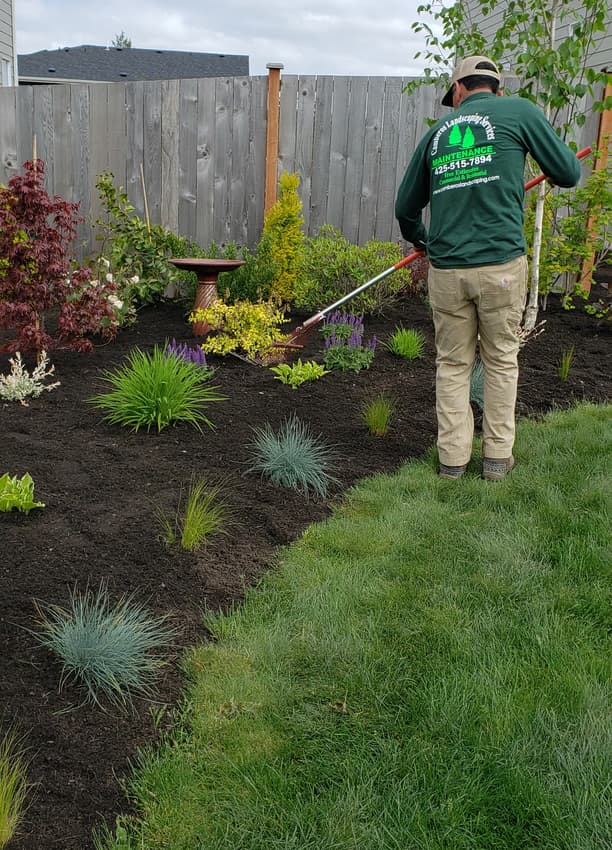
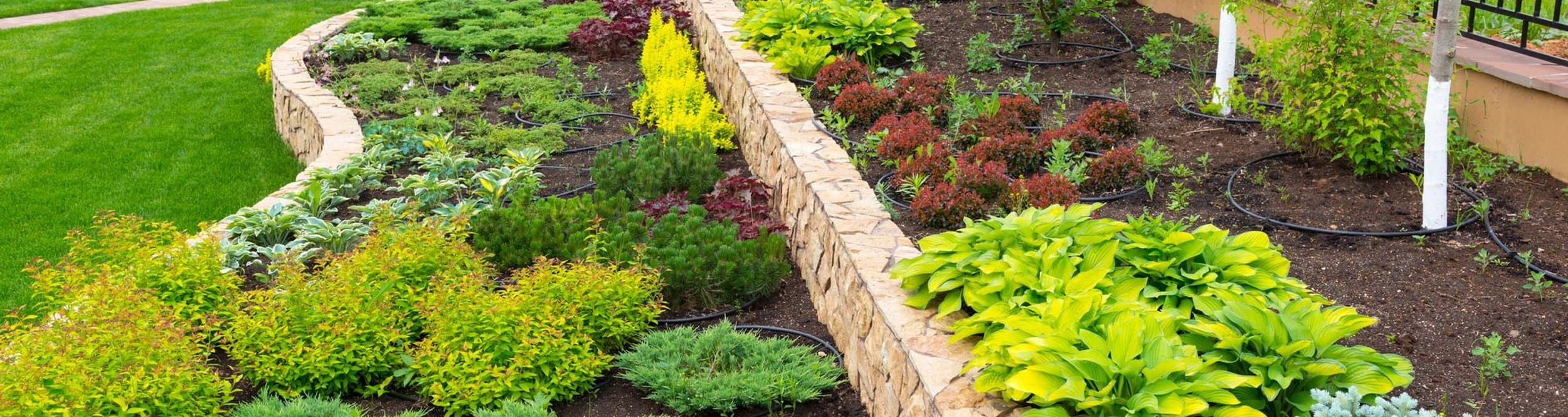
Drainage still matters. Flat or gently sloping heavy ground will sit wet. We use gravel where a paved drive would be wasted money, and a low wall where a bank needs a clean edge. Plantings can be simpler and tougher. The goal on a lot this size is a yard you can live in without a crew every week, with the edges kept and the drive solid.
How we do the work
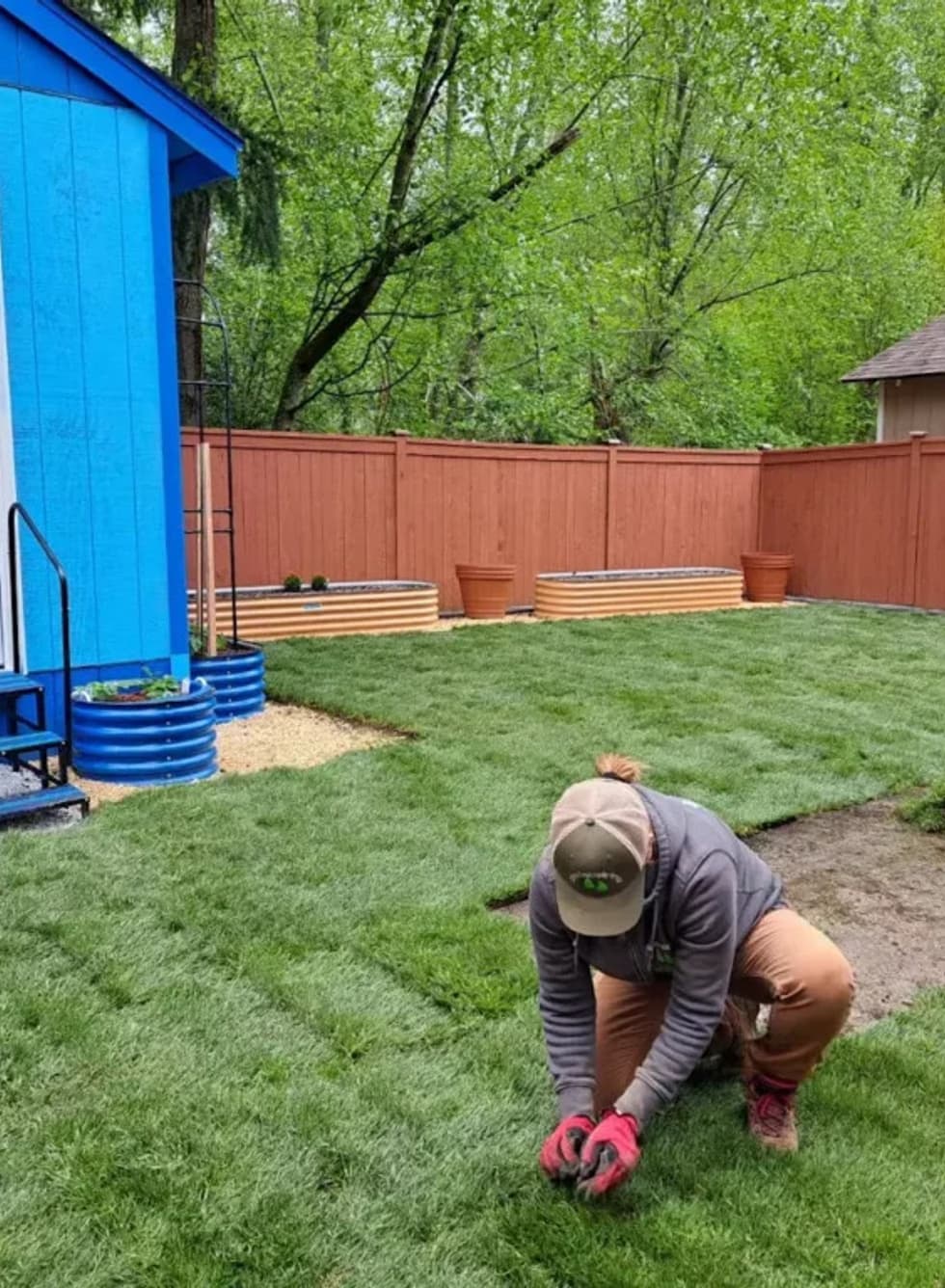
Sod is instant cover and a slow root. It dies when it is laid on compacted clay, on a moss mat, or in a low spot that stays wet. We strip or till, we fix the grade so water leaves, and we lay tight seams on soil that has been loosened a few inches down.
The first two weeks are water and no traffic. After that we want roots chasing soil, which means less frequent watering. A sod lawn that is sprinkled every day forever is a sod lawn that peels up in August.
We lay what arrives that day. Sod that sits on the pallet through a warm afternoon cooks in the roll, and we will not install it.
What we look at first
- What is under the old lawn
- Grade and where the roof water goes
- Access for the pallets
- Sun, because sod in deep shade is an expensive way to grow moss
What is under the roll
A few inches of loosened soil and compost, graded to leave the house. Not the old lawn. Not landscape fabric. Not a sand bed that turns into a pan. If we cannot prep, we should not lay sod.
Seams and edges
Tight, staggered, no overlap. Edges tucked against beds so the mower does not scalpel a flap. We cut curves with a knife, not by stretching a roll around a corner until it tears.
When seed is the better buy
Large areas, deep shade, and tight budgets that would force us to skip prep. Seed costs less and roots deeper if you can wait a month. Sod is for the yard you need to use, on soil we were allowed to prepare.
More from this crew
- Sod installation across Snohomish County
- Lawn seeding in Stanwood
- Lawn aeration in Stanwood
- Landscaping in Stanwood
- Lawn fertilization in Stanwood
- Sod installation in Arlington
- Sod installation in Marysville
Sources for the climate and the water
- USDA plant hardiness map for choosing plants that can take a Snohomish County winter.
- EPA WaterSense on watering less once a lawn or a new planting is established.
- EPA Soak Up the Rain on keeping roof and yard water from becoming someone else’s problem.