The lake is the point of the town, and it is also the drainage problem. Shoreline lots shed water toward the water, banks erode where wakes and winter rain meet a soft edge, and inland yards stay damp because the water table and the clay do not let a storm leave quickly. Sod run to the water’s edge is fertilizer, soil, and a slipping mat. We stop the lawn short and plant the bank.
Snohomish County · ZIP 98258 · 2020 population 34,385
Keep the sod off the bank
The upper yard can be sodded like any damp county lawn, with extra care that the grade does not send water and fines downhill in a sheet. We build a break, a bed, or a drain between the lawn and the shore.
Watering new sod is heavier than a finished lawn. We set it so you are not washing the prep into the lake. If the only place you wanted grass was the soft bank, we decline that part.
The ground in Lake Stevens
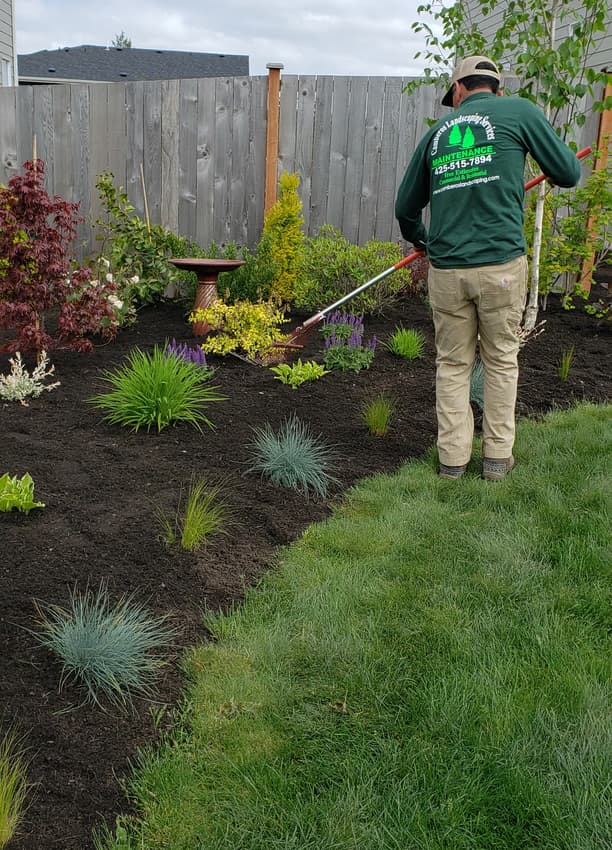
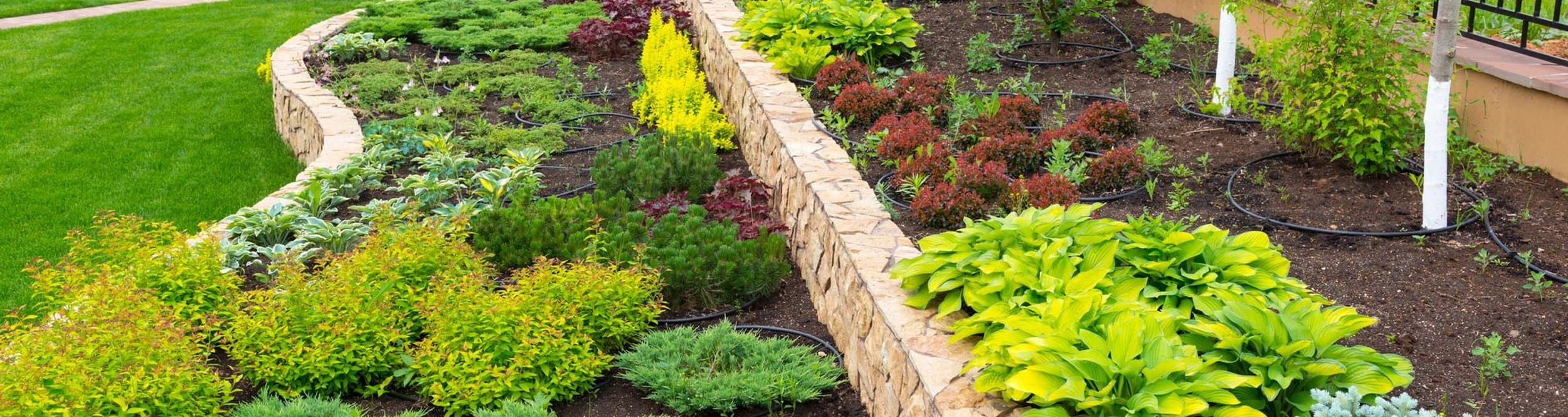
On the water, the work is the bank and the view. A retaining edge, native shoreline plants such as red osier dogwood, and a rain garden or a drain that slows runoff before it hits the lake do more for the property than a strip of sod at the top of an eroding slope. Fertilizer and bare soil washing into the lake are how a nice lawn becomes a neighbor problem.
Off the water, in the newer neighborhoods, the soils were compacted during construction and the lawns were rolled out on top. They look fine in July and sour in February. Aeration, a real topdressing, and getting the downspouts away from the foundation are the unglamorous jobs that keep those yards from turning to moss. Patios here are for the view. We build the base as if it will be wet half the year, because it will.
How we do the work
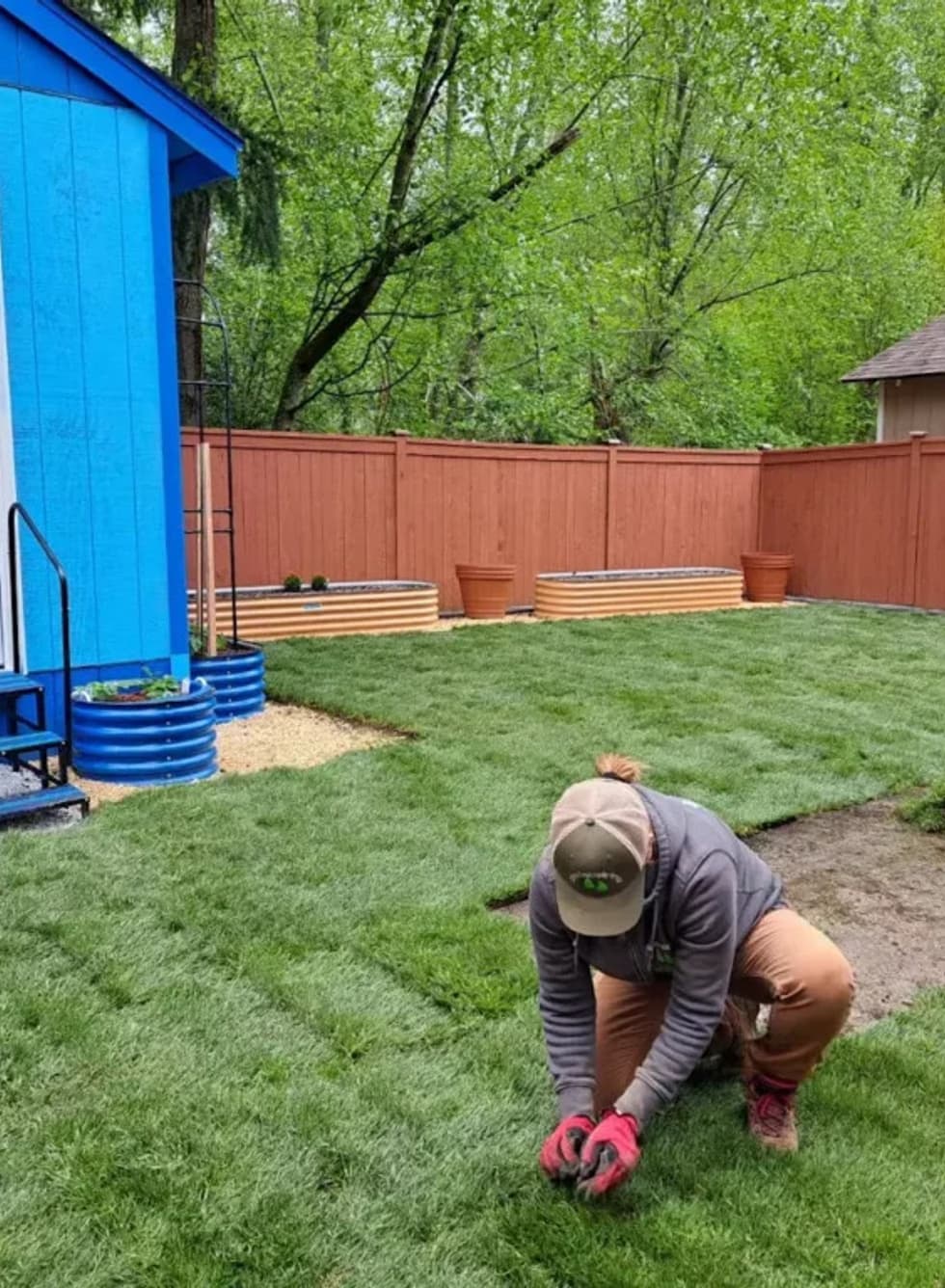
Sod is instant cover and a slow root. It dies when it is laid on compacted clay, on a moss mat, or in a low spot that stays wet. We strip or till, we fix the grade so water leaves, and we lay tight seams on soil that has been loosened a few inches down.
The first two weeks are water and no traffic. After that we want roots chasing soil, which means less frequent watering. A sod lawn that is sprinkled every day forever is a sod lawn that peels up in August.
We lay what arrives that day. Sod that sits on the pallet through a warm afternoon cooks in the roll, and we will not install it.
What we look at first
- What is under the old lawn
- Grade and where the roof water goes
- Access for the pallets
- Sun, because sod in deep shade is an expensive way to grow moss
The first two weeks
Water enough that you cannot peel a corner up by the end of week two. Stay off it. Mow the first time at three inches once it resists a tug. Then ease the water back so the roots leave the roll.
When seed is the better buy
Large areas, deep shade, and tight budgets that would force us to skip prep. Seed costs less and roots deeper if you can wait a month. Sod is for the yard you need to use, on soil we were allowed to prepare.
What is under the roll
A few inches of loosened soil and compost, graded to leave the house. Not the old lawn. Not landscape fabric. Not a sand bed that turns into a pan. If we cannot prep, we should not lay sod.
More from this crew
- Sod installation across Snohomish County
- Lawn seeding in Lake Stevens
- Lawn aeration in Lake Stevens
- Landscaping in Lake Stevens
- Lawn fertilization in Lake Stevens
- Sod installation in Everett
- Sod installation in Marysville
- Sod installation in Snohomish
Sources for the climate and the water
- USDA plant hardiness map for choosing plants that can take a Snohomish County winter.
- EPA WaterSense on watering less once a lawn or a new planting is established.
- EPA Soak Up the Rain on keeping roof and yard water from becoming someone else’s problem.