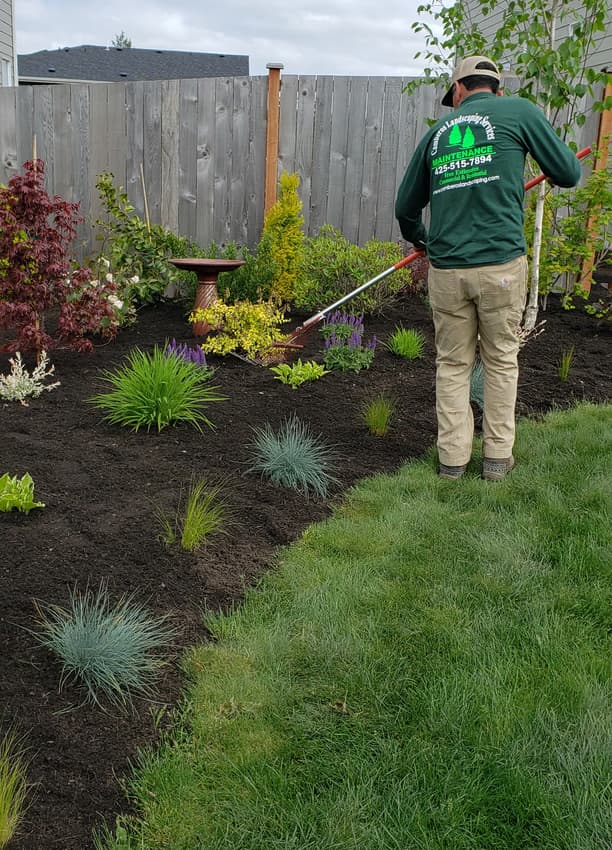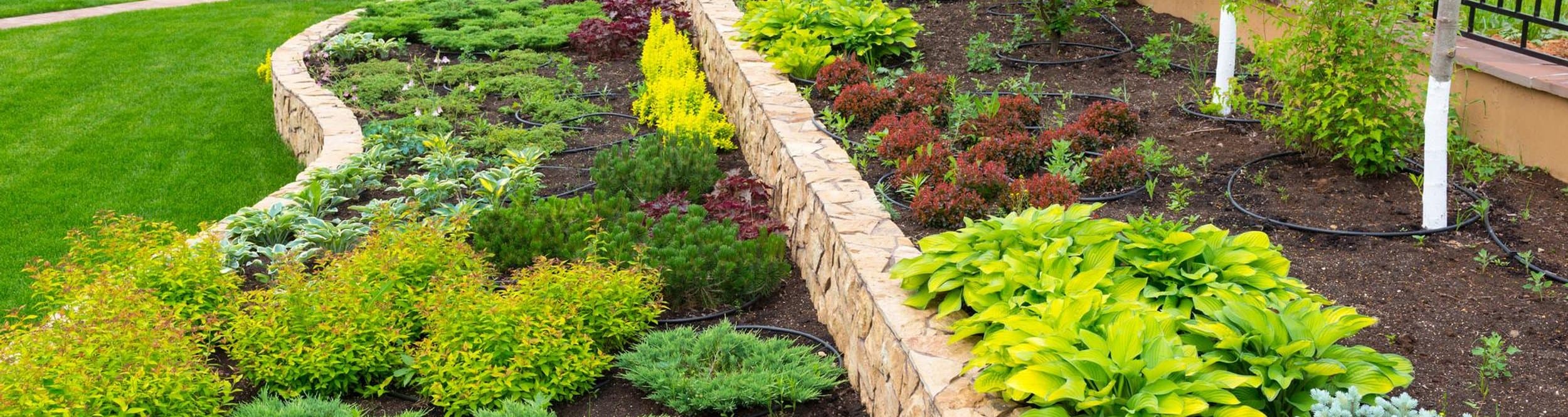

Snohomish is the old river town. Downtown sits above the Snohomish River, the houses have mature trees, and a lot of the gardens were planted decades ago and then left to get big. The ground near the river stays wet. The hills just south of it do not. These properties have mature bones. The landscaping is repair and structure, not a scrape-and-replace, and it stops being precious where the river has been.
Snohomish County · ZIP 98290 · 2020 population 10,091
Respect the old yard and the flood line
Prune, rebuild the tired beds, add a patio on the high ground, drain the downspouts, and plant the low side for wet soil. We do not haul in a yard of bark for the bottom of the lot. We do not remove a healthy old tree to make a blank canvas.
The house style leads. A historic street does not want a random modern kit. We can still make the door, the path, and the sitting area work for how you live.
The ground in Snohomish
Historic lots come with plants nobody planned: a cedar too close to the porch, a lilac that has swallowed the walk, beds that were neat in 1998 and are roots and bindweed now. Pruning and a hard cleanup are often the whole first phase. Bark, used with a little restraint, puts a finished line back on a Victorian front without covering the problem.
Closer to the river, drains matter. Riparian edges want native plants that can take wet soil, not a sod lawn rolled to the bank. We do not haul fill into the floodplain to “raise the yard” without understanding where that water will go next. Uphill, in the newer pockets, the work looks more like the rest of the county: lawns, small patios, and moss.
How we do the work
Landscaping, the way we mean it, is building the yard: dirt moved, water handled, plants in the ground, bark and edges finished. It is not a mow, and it is not only a patio. When a project is really just a patio or just a drain, we call it that and we price that.
We plant what can live through a wet winter and a dry August without a full-time gardener. The sequence is always the same. Get the water right, set the hard surfaces, then plant. Plants first is how they get buried or stood in a puddle.
What we look at first
- What you want to be able to do in the yard
- The thing that is failing now: water, a slope, a dead lawn, an empty bed
- Trees that stay
- A budget, so we phase instead of half-building everything
Phasing
If the whole yard does not fit the budget, we finish a piece that works: the drainage and the door area, for example. An even layer of unfinished everything looks like we left. A finished half looks like a plan. We prefer the second.
Warranty, plainly
We stand behind the build: pitch, drainage, and plants installed correctly. We do not warranty a plant against no water in August, a deer, or a freeze that splits a species we told you was marginal. Establishment watering is your job unless we are contracted to do it.
Plants we will not specify
Anything that wants a dry summer and no rain in winter, unless you understand it is a gamble. We plant for zone and for the wet. A plant you loved in California can be attempted in a pot. It should not be the backbone of the yard.
More from this crew
- Landscaping across Snohomish County
- Landscape design in Snohomish
- Yard cleanup in Snohomish
- Paver installation in Snohomish
- French drain installation in Snohomish
- Landscaping in Monroe
- Landscaping in Everett
- Landscaping in Lake Stevens
Sources for the climate and the water
- USDA plant hardiness map for choosing plants that can take a Snohomish County winter.
- EPA WaterSense on watering less once a lawn or a new planting is established.
- EPA Soak Up the Rain on keeping roof and yard water from becoming someone else’s problem.