Brier is a quiet grid of larger lots under mature trees. The canopy keeps the soil cool and damp, clay holds the rain, and moss will take a lawn that only sees sun in patches. Shade, not neglect, is usually why the grass looks tired. Hardscape under a deep canopy should be the path and the sitting pad, not a plaza. The rest of the floor wants to be bark and shade plants.
Snohomish County · ZIP 98036 · 2020 population 6,642
Stone where your feet are, plants where the shade has won
We keep excavation off the major roots, we pitch the walking surfaces, and we do not surround a tree with a tight paved well. Steps are lit by being obvious, not by being steep. Moss will come. The joints and the pitch decide whether it is a nuisance or a slip.
The ground in Brier
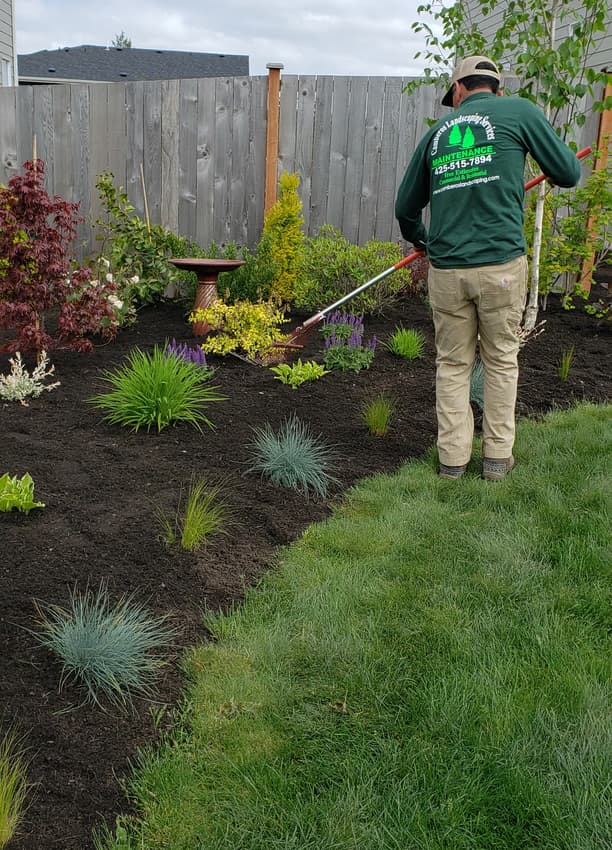
Most of the yards we walk in Brier have been under evergreens for decades. Roots sit high, the lawn is thin where the shade is deepest, and the beds along the fence line are already trying to become forest again — ferns and salal move in on their own. That is a better clue than a catalog. Fighting those beds with a sun-loving flower border means weeding forever.
Clay and humidity show up as moss in the turf and as slippery film on patios that never quite dry. Aeration and a real dethatch help the lawn, but only if we also lift the canopy enough for light to reach the grass. Tree work here is pruning for structure and clearance, not topping. Privacy matters on these lots, so we thin, we do not scalp.
How we do the work
Hardscape is the permanent part of the yard: the floors you walk, the walls that hold soil, the steps between them. We design it around how water moves and how you move. A pretty patio with a stair that lands in the low spot is a collection of pieces, not a yard.
We would rather build less and have it drain than fill a lot with surfaces that all tip the wrong way. Materials stay limited. One stone, one wall type, so the place looks finished instead of like a showroom.
What we look at first
- The route from the door to the gate, the drive, and the part of the yard you use
- Every place water stands now
- Slopes that need a step or a wall before they need a plant
- What has to stay: trees, fences, the neighbor’s grade
One material, used honestly
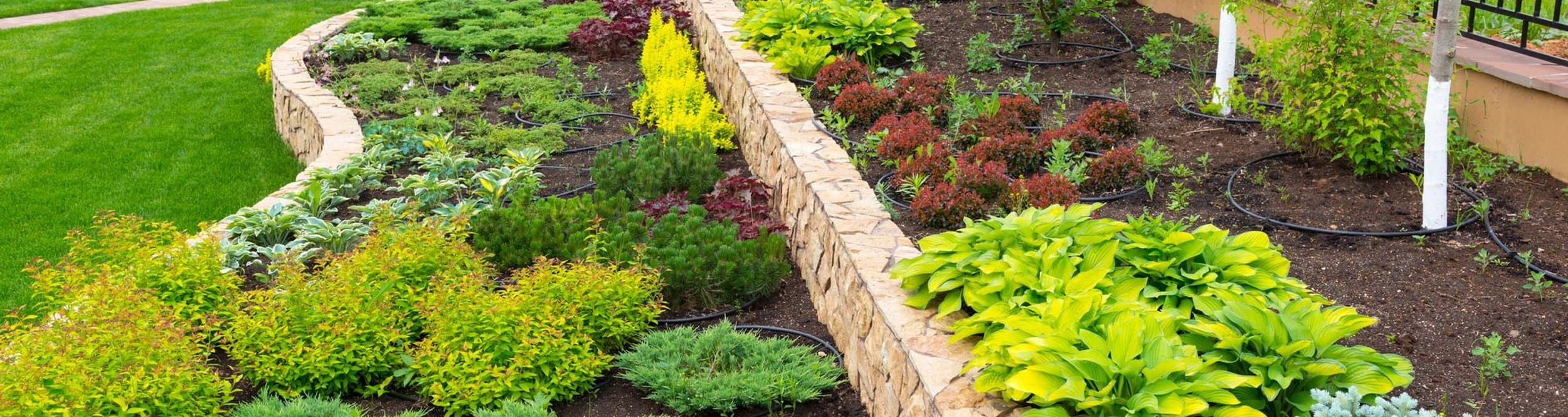
Pavers, a wall block or a rock, and gravel. That is usually enough. Mixing flagstone, brick, river rock, and a second paver line makes a small yard loud and gives water more joints to exploit.
The grade drawing
We can usually do this on site without a formal plan set, and we still mark elevations. Water is a number, not a feeling. If the fall is not there, we add a drain or we change the floor. We do not squint and hope.
Steps
Even risers, a tread you can put a whole foot on, and a surface that is not slick when it is wet. Landscape steps are where people fall. We build them like we will use them in the dark, in January.
More from this crew
- Hardscaping across Snohomish County
- Paver installation in Brier
- Patio installation in Brier
- Retaining walls in Brier
- Landscape design in Brier
- Hardscaping in Lynnwood
- Hardscaping in Mountlake Terrace
- Hardscaping in Edmonds
Sources for the climate and the water
- USDA plant hardiness map for choosing plants that can take a Snohomish County winter.
- EPA WaterSense on watering less once a lawn or a new planting is established.
- EPA Soak Up the Rain on keeping roof and yard water from becoming someone else’s problem.