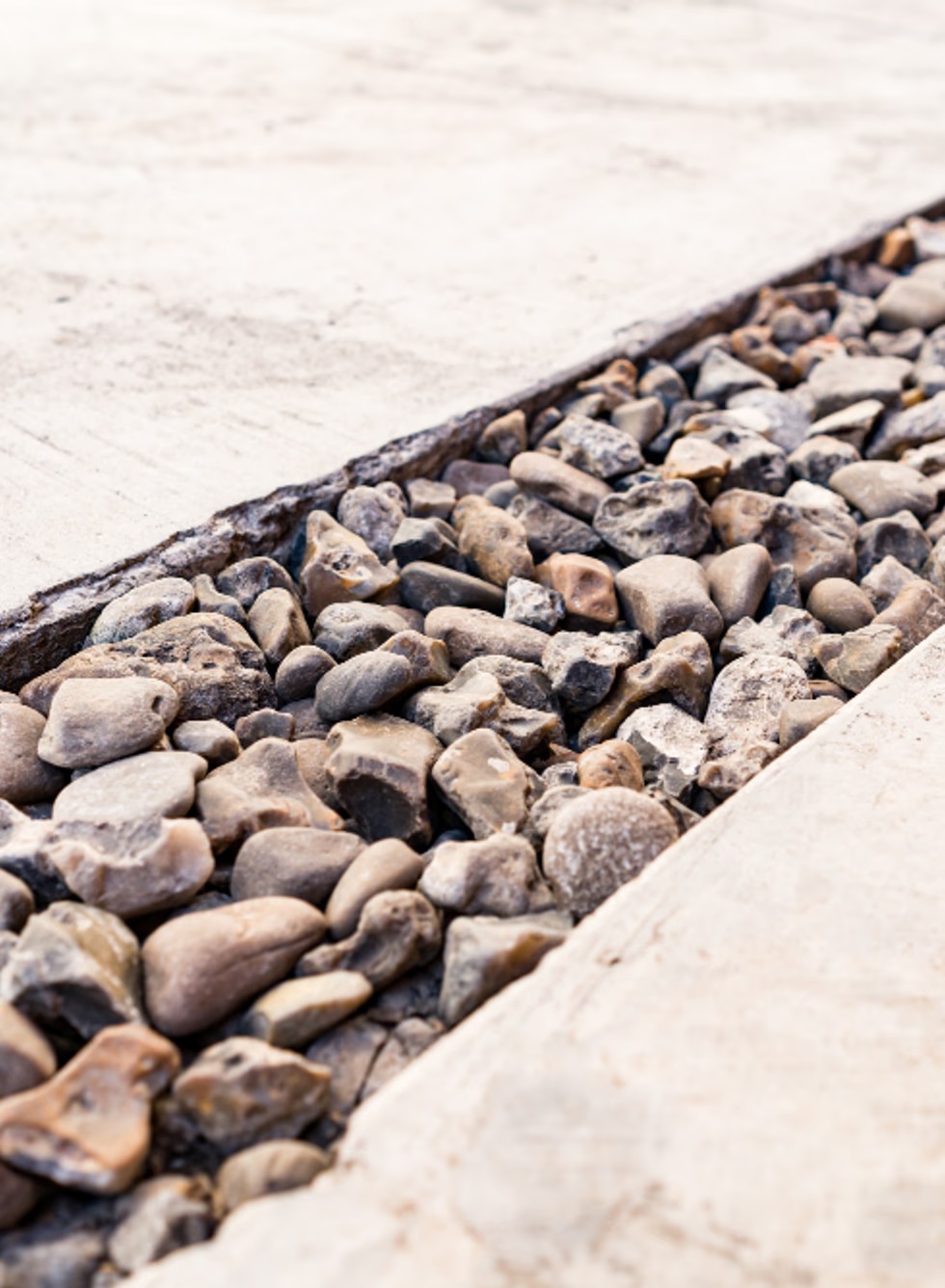
The lake is the point of the town, and it is also the drainage problem. Shoreline lots shed water toward the water, banks erode where wakes and winter rain meet a soft edge, and inland yards stay damp because the water table and the clay do not let a storm leave quickly. Loose gravel on a slope toward the lake becomes sediment in the lake. We use angular rock, an edge, and we do not spill a path down the bank.
Snohomish County · ZIP 98258 · 2020 population 34,385
Keep the rock on the path
The upper paths and the area under a gate are good gravel projects. The shoreline is not a place for a fresh load of round rock. If you need footing near the water, we look at a short, stable step and plants, not a gravel slide.
Geotextile stays covered. Fabric flapping at the edge is a failed job, and it is what happens when the excavation was too thin.
The ground in Lake Stevens
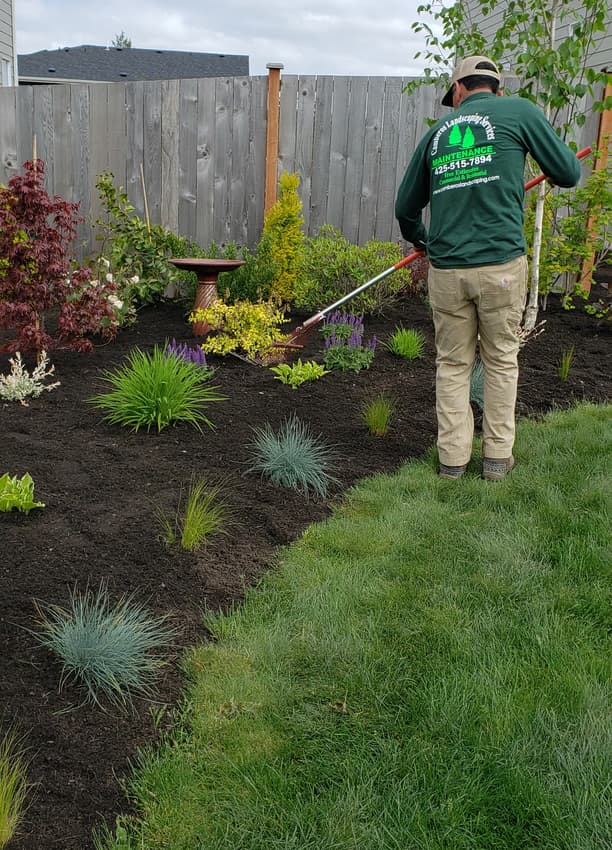
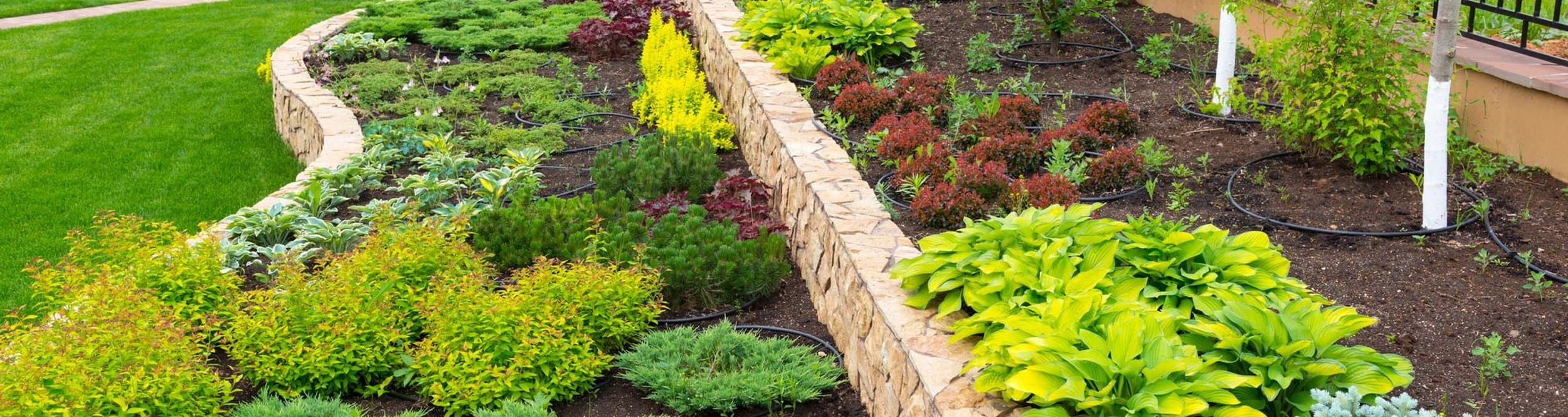
On the water, the work is the bank and the view. A retaining edge, native shoreline plants such as red osier dogwood, and a rain garden or a drain that slows runoff before it hits the lake do more for the property than a strip of sod at the top of an eroding slope. Fertilizer and bare soil washing into the lake are how a nice lawn becomes a neighbor problem.
Off the water, in the newer neighborhoods, the soils were compacted during construction and the lawns were rolled out on top. They look fine in July and sour in February. Aeration, a real topdressing, and getting the downspouts away from the foundation are the unglamorous jobs that keep those yards from turning to moss. Patios here are for the view. We build the base as if it will be wet half the year, because it will.
How we do the work
Gravel stays put when it has a compacted base, a fabric or a separation from the clay, a slight crown or a cross slope, and an edge. A load of rock dumped on the grass is a mud pit by spring. We dig out the soft soil, build the base, and top it with the rock you actually walk and drive on.
The top rock is not the same as the base rock. Base is angular and locks. The surface might be smaller crushed rock or a cleaner gravel, depending on whether this is a drive, a dog run, or a path.
What we look at first
- Cars, foot traffic, or both
- How soft the ground is in March
- Where the water crosses the drive today
- An edge against lawn or beds so the rock does not migrate
Refresh
Gravel is maintenance. Every few years a drive needs rock added and graded back to crown. We would rather tell you that than sell a “permanent” gravel surface. Pavers are permanent. Gravel is a good, honest, recurring surface.
Edges and weeds
Steel, timber, or a paved border on a walking path. On a farm drive, the ditch is the edge. Weeds in gravel get pulled or treated early, before the root is a shrub. A thick, clean surface grows fewer of them than a dirty thin one.
Fabric
Separation fabric keeps clay from pumping up. It is not weed magic, and it is not a substitute for digging out the mud. We lap it and we cover it. Sun-baked fabric at the edge means the gravel was spread too thin.
More from this crew
- Gravel installation across Snohomish County
- French drain installation in Lake Stevens
- Fence installation in Lake Stevens
- Hardscaping in Lake Stevens
- Paver installation in Lake Stevens
- Gravel installation in Everett
- Gravel installation in Marysville
- Gravel installation in Snohomish
Sources for the climate and the water
- USDA plant hardiness map for choosing plants that can take a Snohomish County winter.
- EPA WaterSense on watering less once a lawn or a new planting is established.
- EPA Soak Up the Rain on keeping roof and yard water from becoming someone else’s problem.