The lake is the point of the town, and it is also the drainage problem. Shoreline lots shed water toward the water, banks erode where wakes and winter rain meet a soft edge, and inland yards stay damp because the water table and the clay do not let a storm leave quickly. Paving to the water is the mistake. The hardscape holds the upper yard and lets the bank be a bank.
Snohomish County · ZIP 98258 · 2020 population 34,385
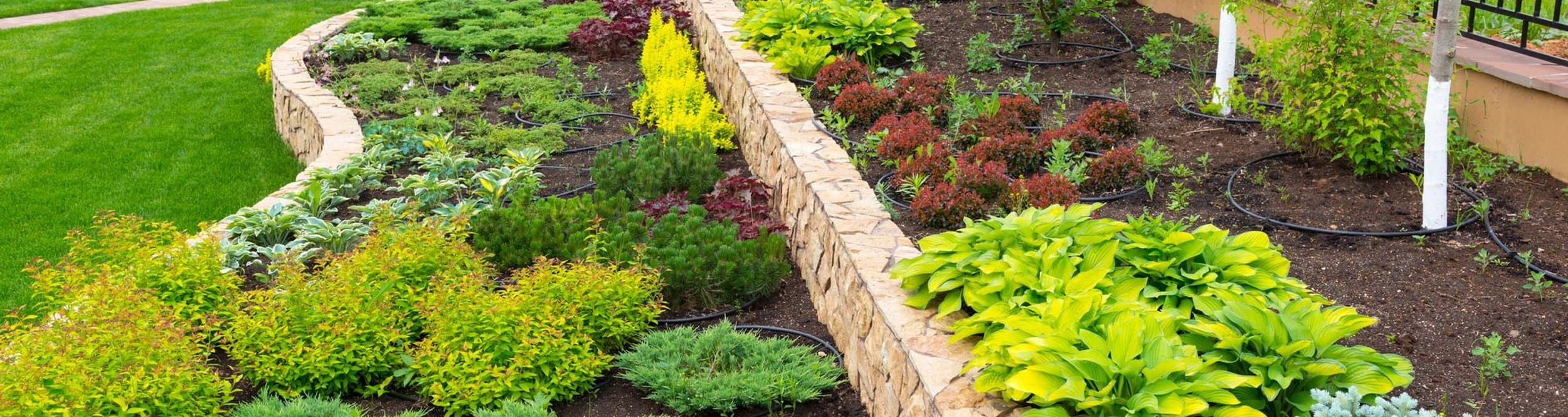
The terrace stops, then the shore is plants
Wall, patio, and a path along the top. Drainage spread or turned, not shot at the lake. Steps down, if they exist, are few and founded, and they do not become a chute.
We keep fertilizer, fines, and loose gravel out of the design at the edge. Those are what wash. Solid work up top, plants below.
The ground in Lake Stevens
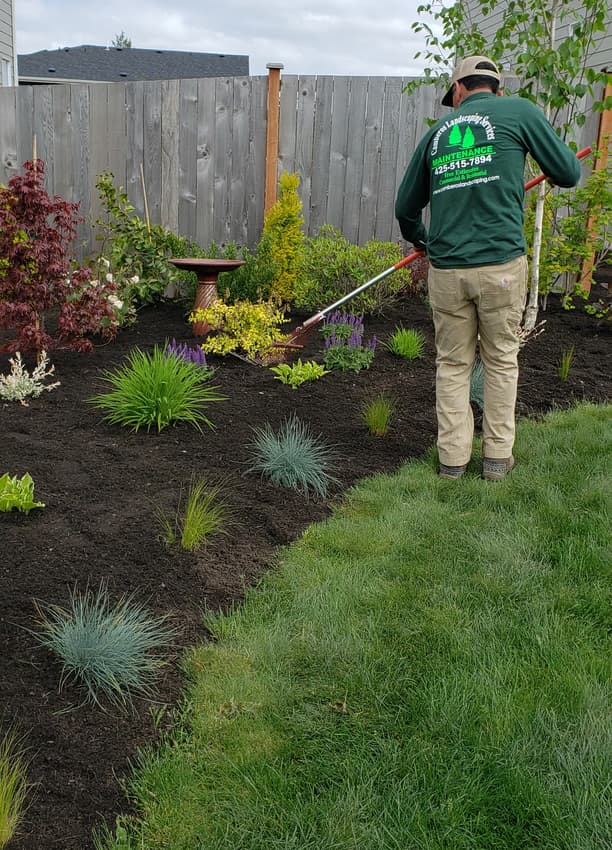
On the water, the work is the bank and the view. A retaining edge, native shoreline plants such as red osier dogwood, and a rain garden or a drain that slows runoff before it hits the lake do more for the property than a strip of sod at the top of an eroding slope. Fertilizer and bare soil washing into the lake are how a nice lawn becomes a neighbor problem.
Off the water, in the newer neighborhoods, the soils were compacted during construction and the lawns were rolled out on top. They look fine in July and sour in February. Aeration, a real topdressing, and getting the downspouts away from the foundation are the unglamorous jobs that keep those yards from turning to moss. Patios here are for the view. We build the base as if it will be wet half the year, because it will.
How we do the work
Hardscape is the permanent part of the yard: the floors you walk, the walls that hold soil, the steps between them. We design it around how water moves and how you move. A pretty patio with a stair that lands in the low spot is a collection of pieces, not a yard.
We would rather build less and have it drain than fill a lot with surfaces that all tip the wrong way. Materials stay limited. One stone, one wall type, so the place looks finished instead of like a showroom.
What we look at first
- The route from the door to the gate, the drive, and the part of the yard you use
- Every place water stands now
- Slopes that need a step or a wall before they need a plant
- What has to stay: trees, fences, the neighbor’s grade
One material, used honestly
Pavers, a wall block or a rock, and gravel. That is usually enough. Mixing flagstone, brick, river rock, and a second paver line makes a small yard loud and gives water more joints to exploit.
Phasing
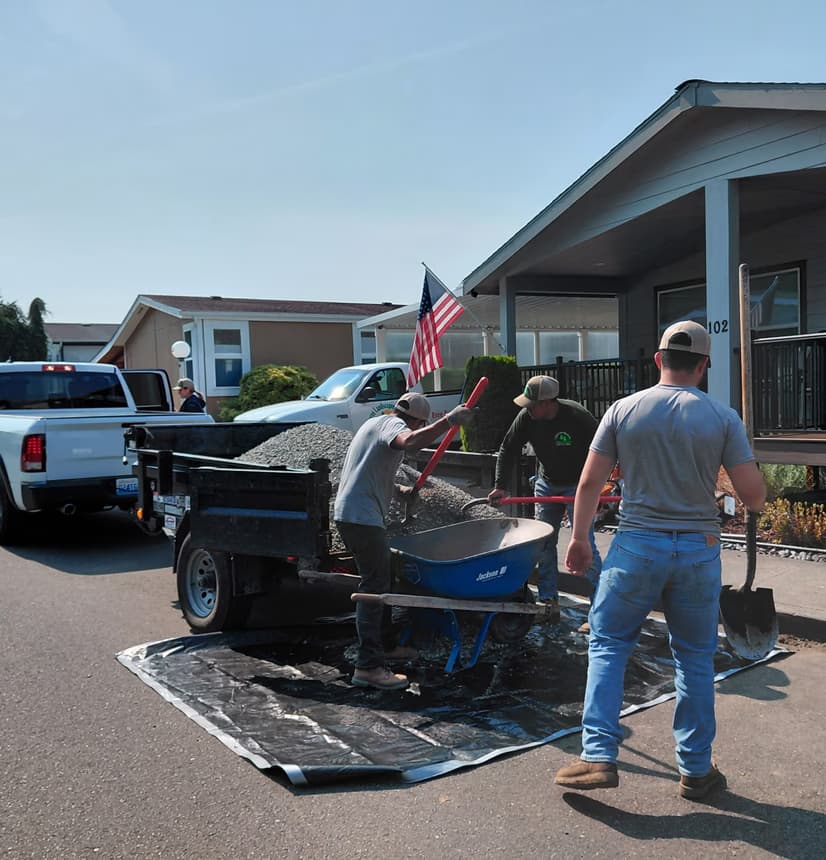
Drainage and walls first, floors second, plants last. Doing the plants first is how they get buried or trampled. If the budget is a phase, we stop at a stable, drained yard, not at a finished-looking corner that dumps water on the rest.
Steps
Even risers, a tread you can put a whole foot on, and a surface that is not slick when it is wet. Landscape steps are where people fall. We build them like we will use them in the dark, in January.
More from this crew
- Hardscaping across Snohomish County
- Paver installation in Lake Stevens
- Patio installation in Lake Stevens
- Retaining walls in Lake Stevens
- Landscape design in Lake Stevens
- Hardscaping in Everett
- Hardscaping in Marysville
- Hardscaping in Snohomish
Sources for the climate and the water
- USDA plant hardiness map for choosing plants that can take a Snohomish County winter.
- EPA WaterSense on watering less once a lawn or a new planting is established.
- EPA Soak Up the Rain on keeping roof and yard water from becoming someone else’s problem.