Stanwood is where the subdivisions run out and the fields start. Lots are larger, drives are longer, and the ground is the open, often heavy soil of a farm edge rather than a city fill pad. The lived-in part of a large lawn builds thatch where the mower circles and the kids cut the corner. The field beyond it usually does not.
Snohomish County · ZIP 98292 · 2020 population 7,915
Rough grass with a mat in the yard you use
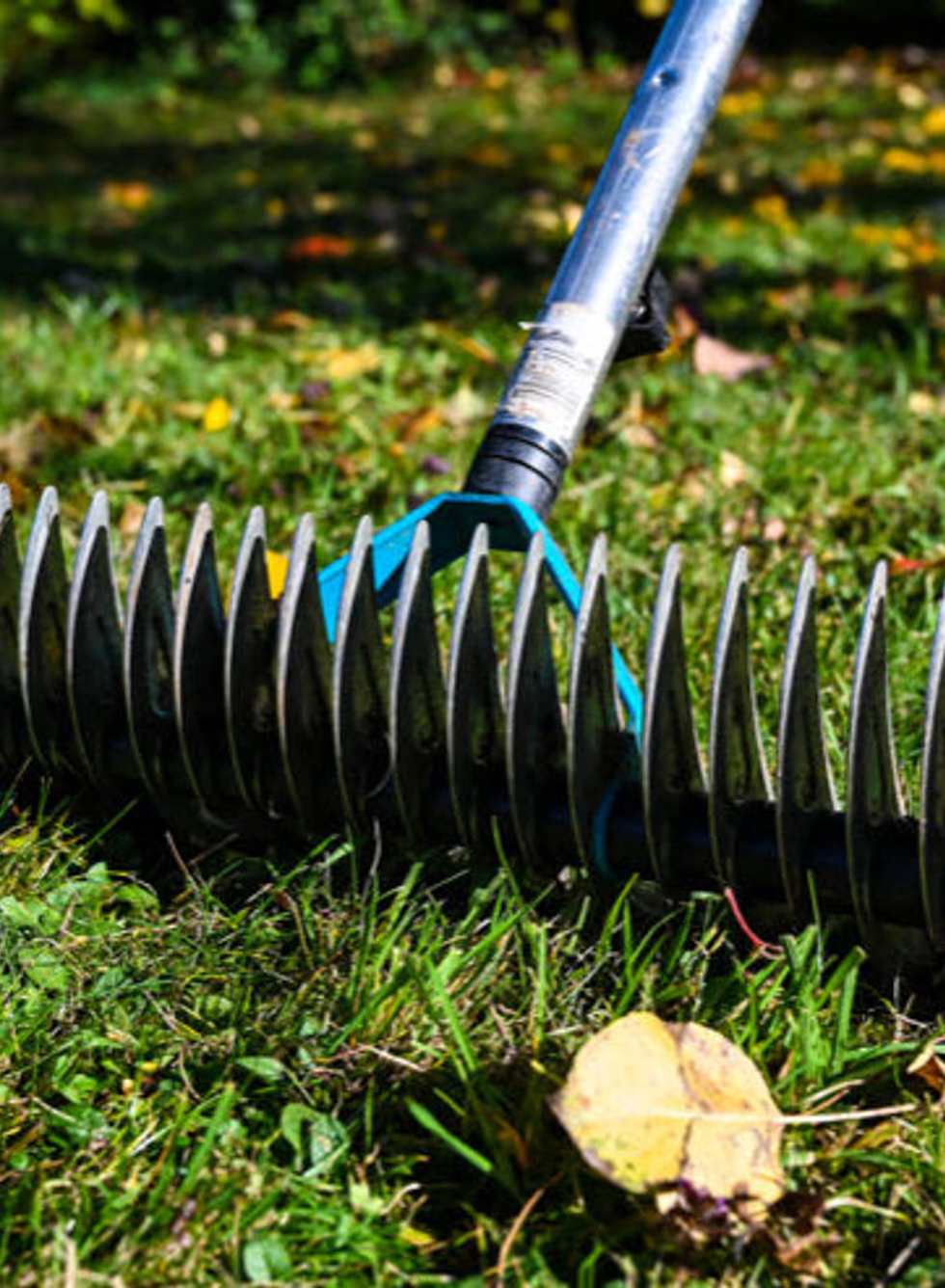
We dethatch the house yard. Running a power rake across an acre of rough grass is a good way to find rocks and spend a day hauling nothing useful. The moss is by the house, under the trees, and along the north fence.
Debris volume is the surprise on a big lot. We plan the trailer for it. Afterward the grass looks scalped in strips. It fills in if there was grass under the mat. If there was not, we are looking at seed or at shrinking the lawn, not at another pass.
The ground in Stanwood
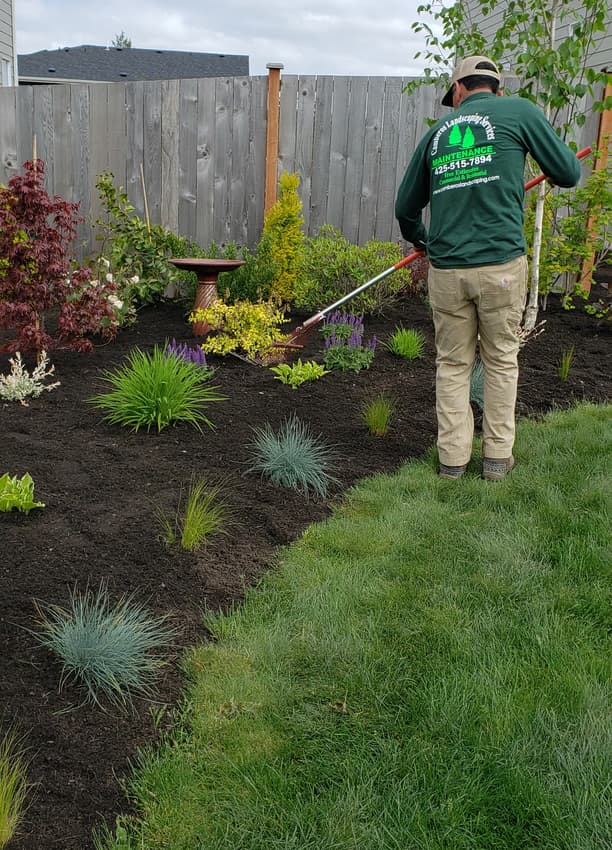
A Stanwood place might be a house, a lawn that is really a small pasture, a gravel drive, and a fence that has to mean something — keeping a view open, marking a line, holding a gentle slope. We mow and aerate at a scale that does not make sense on a Lynnwood lot. Weed pressure is real because the seed source is the field next door, not a crack in a sidewalk.
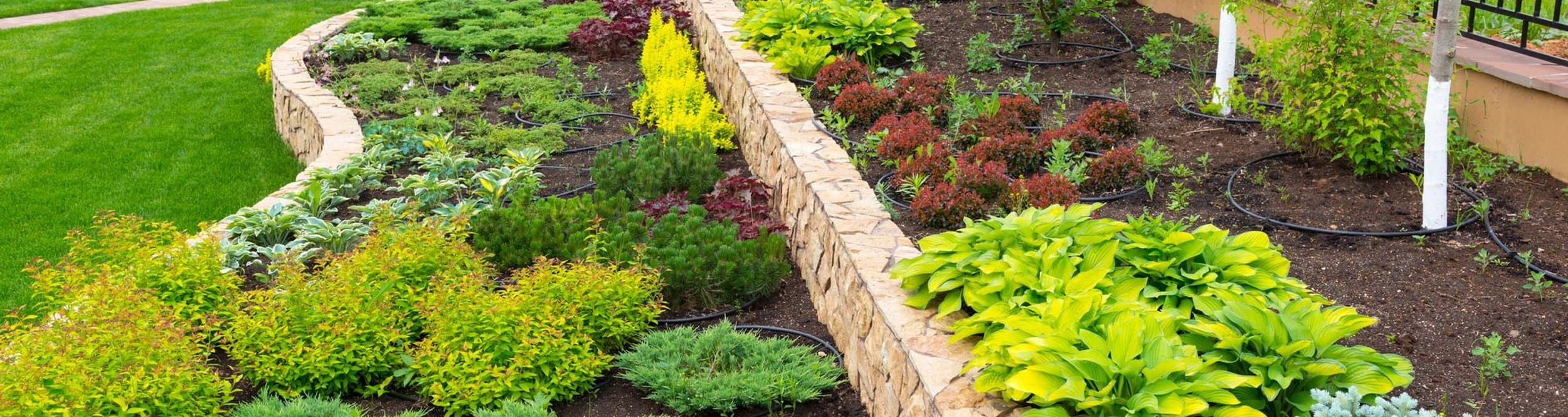
Drainage still matters. Flat or gently sloping heavy ground will sit wet. We use gravel where a paved drive would be wasted money, and a low wall where a bank needs a clean edge. Plantings can be simpler and tougher. The goal on a lot this size is a yard you can live in without a crew every week, with the edges kept and the drive solid.
How we do the work
Thatch here is usually moss plus a layer of dead stems, not the classic Midwest straw mat. A power rake set too deep tears out the live grass and leaves a scar. We set the blades to lift the mat and stop when we are in soil.
The debris has to leave the property. A thatch layer raked into the bed or left in windrows just moves the problem. We haul it. If the lawn underneath is mostly dirt and shade, dethatching is the start of a different plan, not a greener lawn by itself.
What we look at first
- How thick the moss mat is
- Whether live grass is under it or the mat is the whole lawn
- Irrigation and mowing height that are growing the thatch back
- A place to stage the trailer so we are not blocking a tight drive
Mowing height afterward
Cutting to the dirt is how the mat comes back. We leave the grass taller than a golf collar, especially in shade. Tall enough to shade its own soil, short enough to walk.
Hauling is part of the job
A dethatched lawn produces a surprising pile, wet and heavy. We load and remove it. Spreading it in the beds plants the moss and the weed seed you just paid to lift.
How deep we go
Shallow enough to save the crowns of the grass. If the lawn is thin, a second light pass beats one aggressive pass that pulls the plants out by the roots. You should see soil in places and live grass still standing.
More from this crew
- Lawn dethatching across Snohomish County
- Lawn aeration in Stanwood
- Lawn seeding in Stanwood
- Lawn mowing in Stanwood
- Lawn fertilization in Stanwood
- Lawn dethatching in Arlington
- Lawn dethatching in Marysville
Sources for the climate and the water
- USDA plant hardiness map for choosing plants that can take a Snohomish County winter.
- EPA WaterSense on watering less once a lawn or a new planting is established.
- EPA Soak Up the Rain on keeping roof and yard water from becoming someone else’s problem.