On the Snohomish County side of Bothell the lots sit between newer housing and the Sammamish River trail. Roofs, drives, and the trail corridor move a lot of water. The soils are urban soils: graded, compacted, and quick to grow moss where the sun is weak. City concrete shows every stripe. We overlap passes so the drive does not look combed, and we do not leave a dirty border along the garage.
Snohomish County · ZIP 98021
Walks, drives, and the green on the north wall
Oil spots are not mildew. A wash fades them and does not always erase them. We say that before you expect a new slab. The green on the siding and the fence comes off, and a treatment slows the return.
Neighbors’ cars and open windows are part of a tight lot. We work so we are not shooting grit at a windshield. If the drive is the only access, we plan the dry time.
The ground in Bothell
We work the north side of the city, not a pretend second office. Yards are a mix of older ramblers and newer houses with small planting strips and a patio poured on tight fill. Runoff is the theme. A permeable patio or a short drain does more for the foundation than a wider concrete pad.
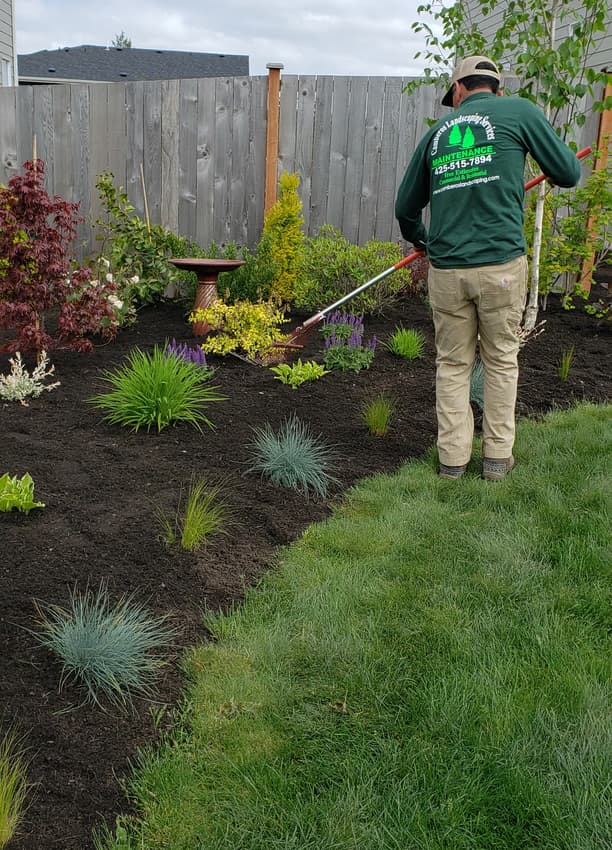
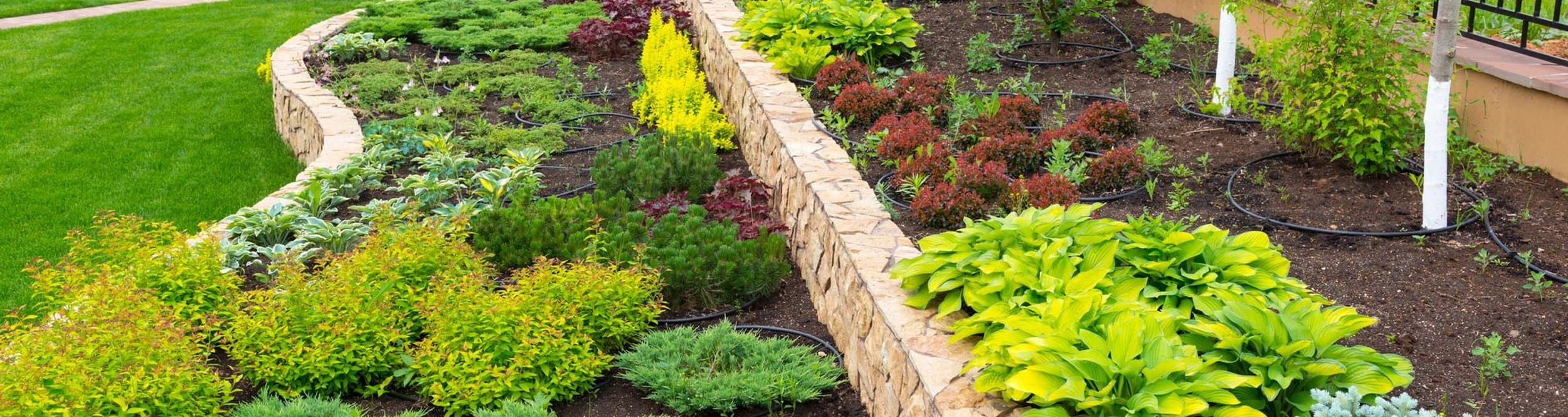
People here ask for plantings that feed birds and do not need a sprinkler all summer. That fits. Native beds along a back fence, a bark layer that is actually thick enough to suppress weeds, and a lawn that is aerated instead of constantly reseeded. Pressure washing keeps the walks and the siding from going black under the trees. The trail is a nice neighbor and a weed source. Edges need a clean line or the brush moves in.
How we do the work
Most of what people call pressure washing here is organic film: the black and green on the north side, the walks, the fence. The fix is the right tip, the right distance, and often a wash that kills the growth so it does not return in a month. A zero-degree tip on a soft wood deck is how you get a furred, ruined deck.
We do not drive water up under lap siding or into a vent to prove the washer is strong. High pressure is for concrete that can take it. Wood, paint, and mortar joints get a softer approach.
What we look at first
- What the surface is
- Where the water will run
- Plants and outlets we need to protect
- Whether the black is mildew that needs a treatment, not just a blast
What will not come out
Rust, deep oil, and etching that is already in the concrete. We can fade some of it. We will not promise a new slab. Paint that is loose will leave with the dirt, and you will see the bare spots. We point those out first if we can.
How often
North sides and shaded patios, about once a year if you care. Sunny south walks can go longer. Exposed marine rails may want it yearly. We do not sign you up for a monthly wash of a surface that does not need it.
Wood versus concrete
Concrete can take a stronger wash. Cedar decks, fences, and soft siding cannot. If we raise the grain, the surface holds more dirt afterward. We would rather leave it a shade less bright than furred.
More from this crew
- Pressure washing across Snohomish County
- Patio installation in Bothell
- Paver installation in Bothell
- Fence installation in Bothell
- Yard cleanup in Bothell
- Pressure washing in Mill Creek
- Pressure washing in Lynnwood
- Pressure washing in Brier
Sources for the climate and the water
- USDA plant hardiness map for choosing plants that can take a Snohomish County winter.
- EPA WaterSense on watering less once a lawn or a new planting is established.
- EPA Soak Up the Rain on keeping roof and yard water from becoming someone else’s problem.