The lake is the point of the town, and it is also the drainage problem. Shoreline lots shed water toward the water, banks erode where wakes and winter rain meet a soft edge, and inland yards stay damp because the water table and the clay do not let a storm leave quickly. A patio pitched at the lake sends its wash down the slope. We keep the floor, the furniture, and the runoff on the upper ground.
Snohomish County · ZIP 98258 · 2020 population 34,385
Sit above the bank
The view patio is set back, built on a real base, and edged so the downhill side is a wall or a planted bed, not a raw drop. We do not pave the soft soil at the shore.
Covers and screens stay out of the easements and out of the neighbor’s sightline if we can tell they will be a problem. The stonework we control. The argument with the neighbor we would rather not build.
The ground in Lake Stevens
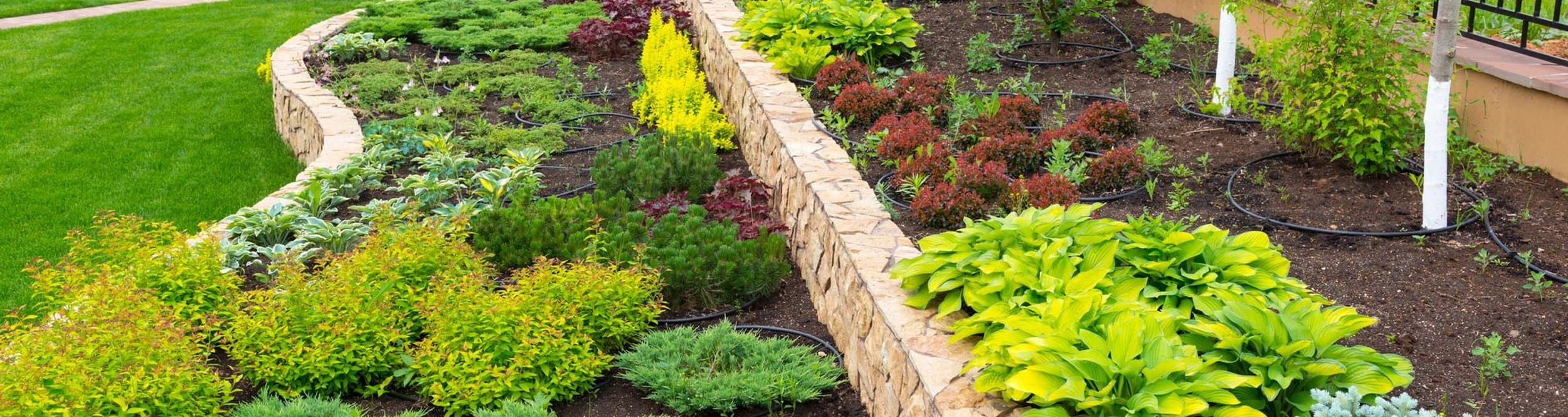
On the water, the work is the bank and the view. A retaining edge, native shoreline plants such as red osier dogwood, and a rain garden or a drain that slows runoff before it hits the lake do more for the property than a strip of sod at the top of an eroding slope. Fertilizer and bare soil washing into the lake are how a nice lawn becomes a neighbor problem.
Off the water, in the newer neighborhoods, the soils were compacted during construction and the lawns were rolled out on top. They look fine in July and sour in February. Aeration, a real topdressing, and getting the downspouts away from the foundation are the unglamorous jobs that keep those yards from turning to moss. Patios here are for the view. We build the base as if it will be wet half the year, because it will.
How we do the work
A patio here is a roof at ground level. It has to shed water, it has to sit on rock instead of clay, and it has to meet the door without holding a puddle at the threshold. We build in pavers most of the time because a paver field can be lifted and reset. A cracked slab is a demolition.
We talk about furniture, the grill, and the way you actually walk out before we draw a rectangle that looks big on paper and tips water at the house.
What we look at first
- The door threshold and which way the yard falls
- Downspouts landing in the patio area
- How many people, and whether there is a fire pit or a cover
- Access for excavation
Fire pits
Set in a place the smoke can leave and the embers are not in the bark. The pit sits on the same honest base as the patio, not on four pavers in the dirt. Clearance to the house and to branches is part of the layout, not a surprise after the first fire.
At the door
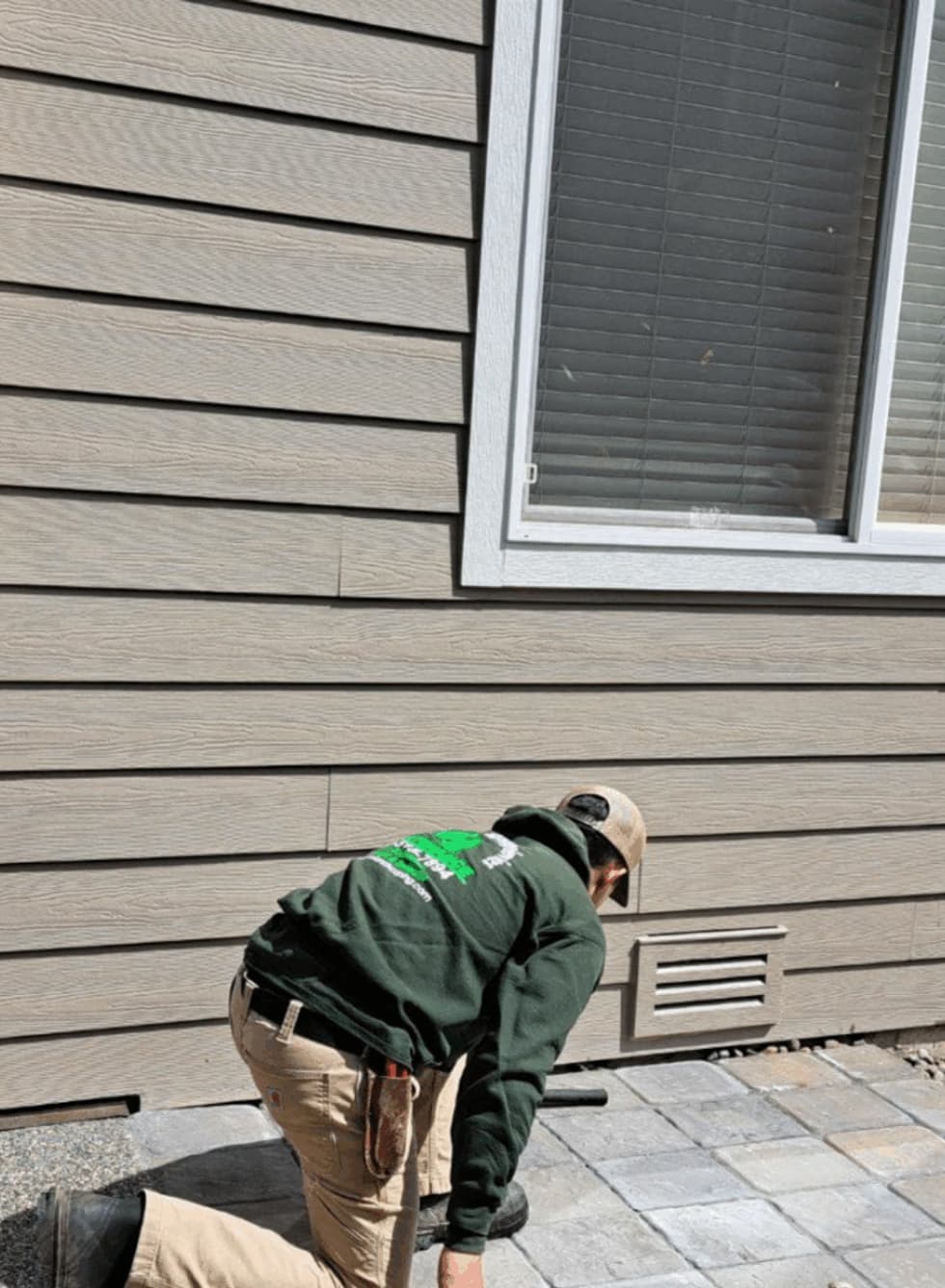
The patio meets the threshold with a step that makes sense and a surface that falls away. We do not bury the siding or the weep screed to make the patio feel flush. That is a rot detail, and we will argue with you about it.
What it costs more to ignore
Drainage and the base. They are the unphotogenic half of the invoice. Cutting them is how a patio gets rebuilt. We would rather build a smaller floor on a real base than a big one on clay.
More from this crew
- Patio installation across Snohomish County
- Paver installation in Lake Stevens
- Hardscaping in Lake Stevens
- Retaining walls in Lake Stevens
- Landscape design in Lake Stevens
- Patio installation in Everett
- Patio installation in Marysville
- Patio installation in Snohomish
Sources for the climate and the water
- USDA plant hardiness map for choosing plants that can take a Snohomish County winter.
- EPA WaterSense on watering less once a lawn or a new planting is established.
- EPA Soak Up the Rain on keeping roof and yard water from becoming someone else’s problem.