Snohomish is the old river town. Downtown sits above the Snohomish River, the houses have mature trees, and a lot of the gardens were planted decades ago and then left to get big. The ground near the river stays wet. The hills just south of it do not. Finished stone in the flood path silts up and heaves. Gravel and plants take the low ground. Walls and patios stay up by the house.
Snohomish County · ZIP 98290 · 2020 population 10,091
Hardscape on the high side of the stain
We make the entry and the sitting area solid, pitched off the building, drained to a place that is not the neighbor’s lot. The walk toward the river can change material as it drops. That is honest, not unfinished.
Historic houses want simpler stone, not a catalog of modern paver colors fighting the porch. We match the house’s weight.
The ground in Snohomish
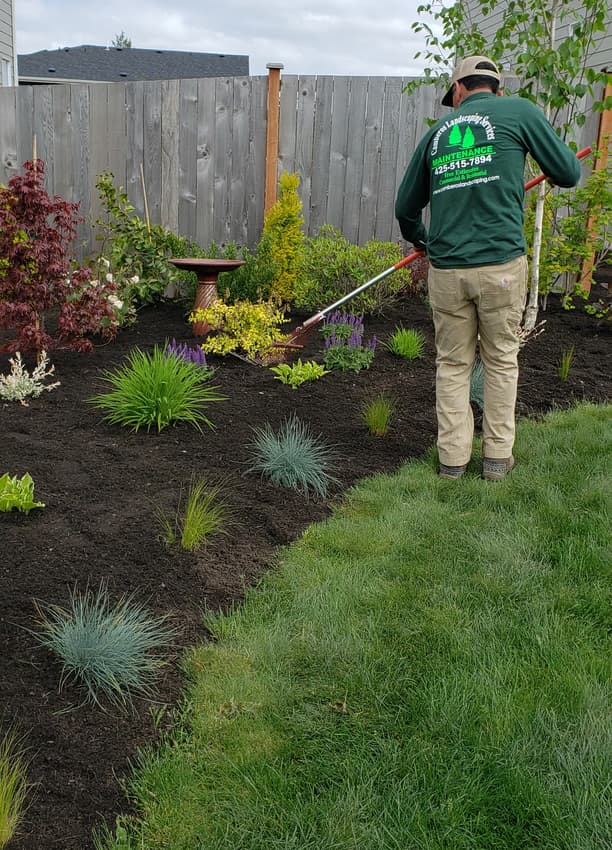
Historic lots come with plants nobody planned: a cedar too close to the porch, a lilac that has swallowed the walk, beds that were neat in 1998 and are roots and bindweed now. Pruning and a hard cleanup are often the whole first phase. Bark, used with a little restraint, puts a finished line back on a Victorian front without covering the problem.
Closer to the river, drains matter. Riparian edges want native plants that can take wet soil, not a sod lawn rolled to the bank. We do not haul fill into the floodplain to “raise the yard” without understanding where that water will go next. Uphill, in the newer pockets, the work looks more like the rest of the county: lawns, small patios, and moss.
How we do the work
Hardscape is the permanent part of the yard: the floors you walk, the walls that hold soil, the steps between them. We design it around how water moves and how you move. A pretty patio with a stair that lands in the low spot is a collection of pieces, not a yard.
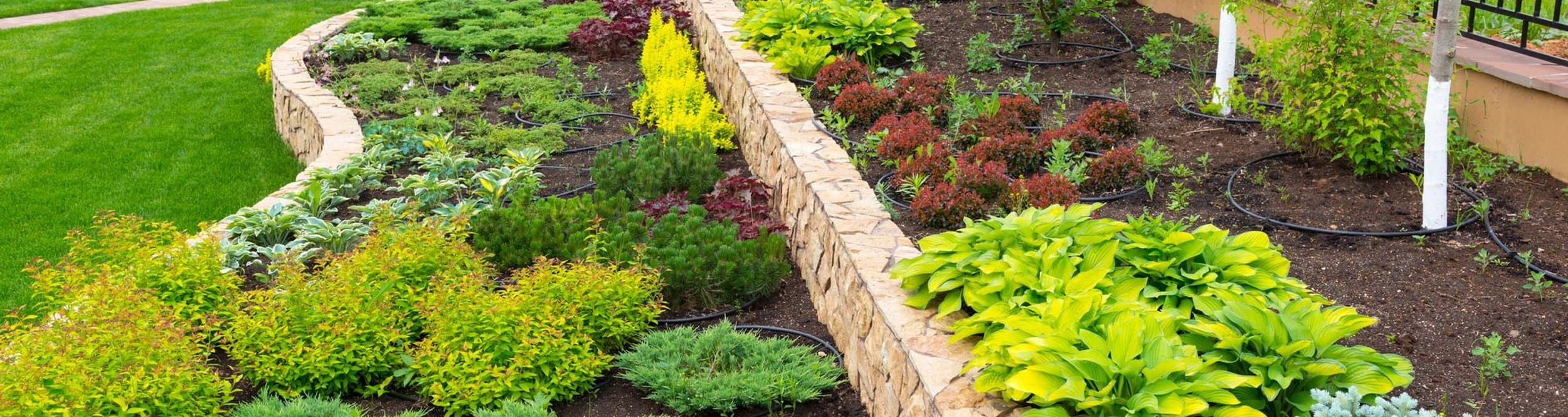
We would rather build less and have it drain than fill a lot with surfaces that all tip the wrong way. Materials stay limited. One stone, one wall type, so the place looks finished instead of like a showroom.
What we look at first
- The route from the door to the gate, the drive, and the part of the yard you use
- Every place water stands now
- Slopes that need a step or a wall before they need a plant
- What has to stay: trees, fences, the neighbor’s grade
The grade drawing
We can usually do this on site without a formal plan set, and we still mark elevations. Water is a number, not a feeling. If the fall is not there, we add a drain or we change the floor. We do not squint and hope.
Phasing
Drainage and walls first, floors second, plants last. Doing the plants first is how they get buried or trampled. If the budget is a phase, we stop at a stable, drained yard, not at a finished-looking corner that dumps water on the rest.
One material, used honestly
Pavers, a wall block or a rock, and gravel. That is usually enough. Mixing flagstone, brick, river rock, and a second paver line makes a small yard loud and gives water more joints to exploit.
More from this crew
- Hardscaping across Snohomish County
- Paver installation in Snohomish
- Patio installation in Snohomish
- Retaining walls in Snohomish
- Landscape design in Snohomish
- Hardscaping in Monroe
- Hardscaping in Everett
- Hardscaping in Lake Stevens
Sources for the climate and the water
- USDA plant hardiness map for choosing plants that can take a Snohomish County winter.
- EPA WaterSense on watering less once a lawn or a new planting is established.
- EPA Soak Up the Rain on keeping roof and yard water from becoming someone else’s problem.