Stanwood is where the subdivisions run out and the fields start. Lots are larger, drives are longer, and the ground is the open, often heavy soil of a farm edge rather than a city fill pad. Rural gravel fails in the same places every year: the soft spot, the hill, and the apron at the road. We fix those sections instead of spreading a thin coat over the whole length.
Snohomish County · ZIP 98292 · 2020 population 7,915
The long drive is the project
Soft spots get dug out, not buried. The apron at the county road gets a heavier rock so you are not dragging mud onto the pavement. Crown and ditch are part of the bid. A new top coat on a pumped clay base lasts until the next long rain.
We can top-dress a drive that already has a good base. We look at the potholes first. If they are clay coming up, it is not a top-dress.
The ground in Stanwood
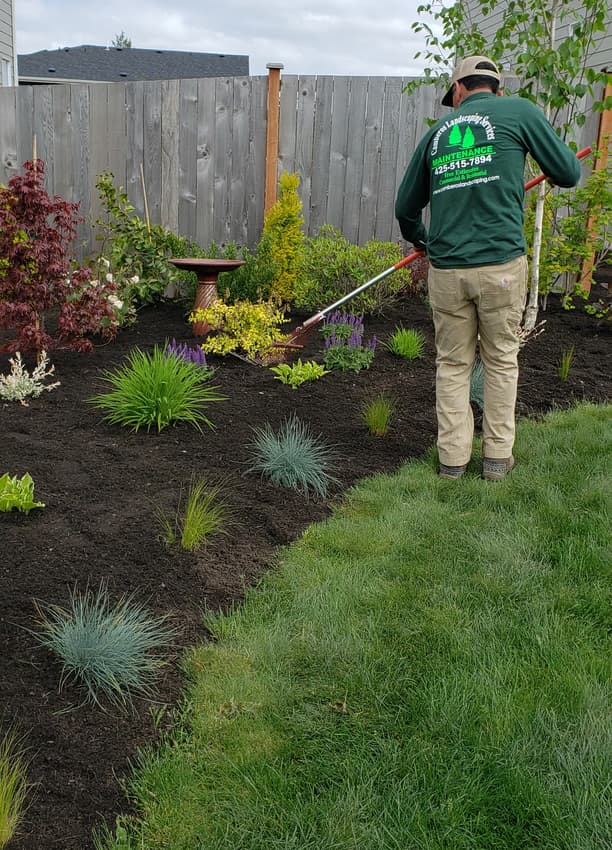
A Stanwood place might be a house, a lawn that is really a small pasture, a gravel drive, and a fence that has to mean something — keeping a view open, marking a line, holding a gentle slope. We mow and aerate at a scale that does not make sense on a Lynnwood lot. Weed pressure is real because the seed source is the field next door, not a crack in a sidewalk.
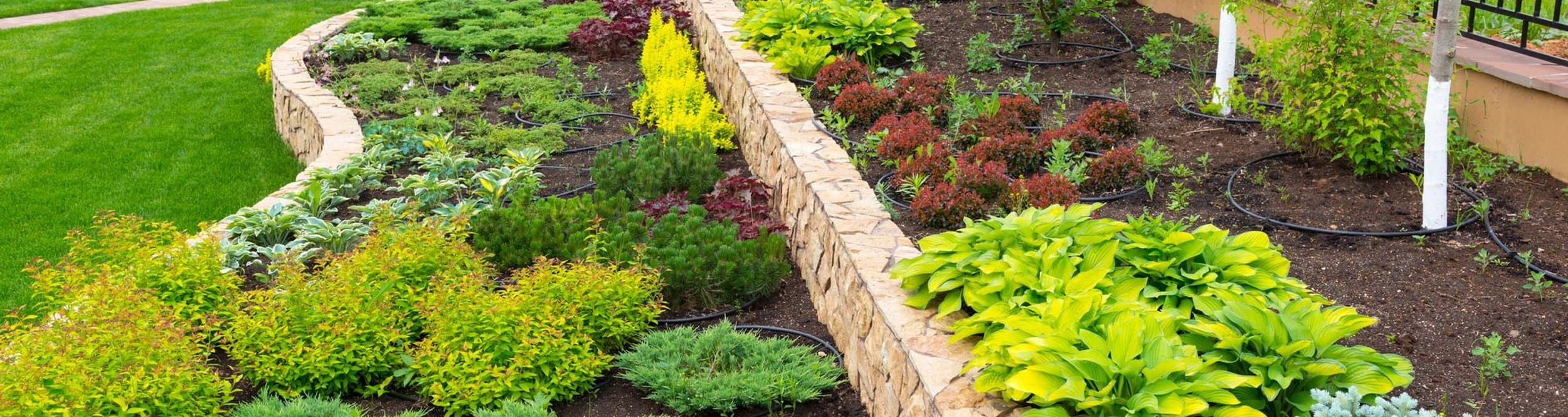
Drainage still matters. Flat or gently sloping heavy ground will sit wet. We use gravel where a paved drive would be wasted money, and a low wall where a bank needs a clean edge. Plantings can be simpler and tougher. The goal on a lot this size is a yard you can live in without a crew every week, with the edges kept and the drive solid.
How we do the work
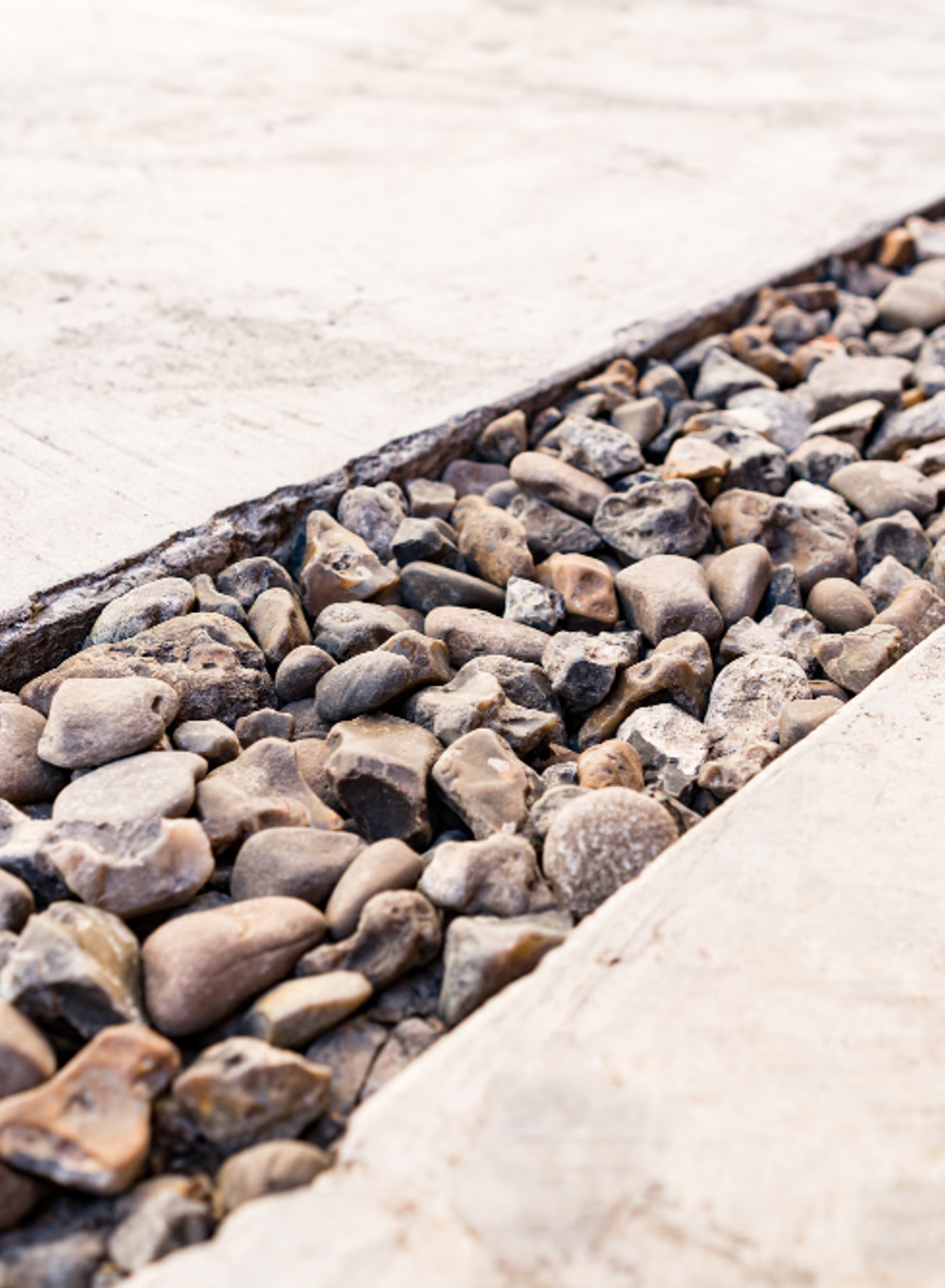
Gravel stays put when it has a compacted base, a fabric or a separation from the clay, a slight crown or a cross slope, and an edge. A load of rock dumped on the grass is a mud pit by spring. We dig out the soft soil, build the base, and top it with the rock you actually walk and drive on.
The top rock is not the same as the base rock. Base is angular and locks. The surface might be smaller crushed rock or a cleaner gravel, depending on whether this is a drive, a dog run, or a path.
What we look at first
- Cars, foot traffic, or both
- How soft the ground is in March
- Where the water crosses the drive today
- An edge against lawn or beds so the rock does not migrate
Edges and weeds
Steel, timber, or a paved border on a walking path. On a farm drive, the ditch is the edge. Weeds in gravel get pulled or treated early, before the root is a shrub. A thick, clean surface grows fewer of them than a dirty thin one.
Fabric
Separation fabric keeps clay from pumping up. It is not weed magic, and it is not a substitute for digging out the mud. We lap it and we cover it. Sun-baked fabric at the edge means the gravel was spread too thin.
Base rock and top rock
The base is larger, angular, and compacted in lifts until it stops moving under the machine. The top is smaller and thick enough to cover, not thick enough to rut into piles. One material dumped once is not a drive section.
More from this crew
- Gravel installation across Snohomish County
- French drain installation in Stanwood
- Fence installation in Stanwood
- Hardscaping in Stanwood
- Paver installation in Stanwood
- Gravel installation in Arlington
- Gravel installation in Marysville
Sources for the climate and the water
- USDA plant hardiness map for choosing plants that can take a Snohomish County winter.
- EPA WaterSense on watering less once a lawn or a new planting is established.
- EPA Soak Up the Rain on keeping roof and yard water from becoming someone else’s problem.