On the Snohomish County side of Bothell the lots sit between newer housing and the Sammamish River trail. Roofs, drives, and the trail corridor move a lot of water. The soils are urban soils: graded, compacted, and quick to grow moss where the sun is weak. A city lot is easy to overfeed because the bag was meant for a larger yard. Stripes and burn show up fast, and so does runoff into the street drain.
Snohomish County · ZIP 98021
Small lawns, measured product
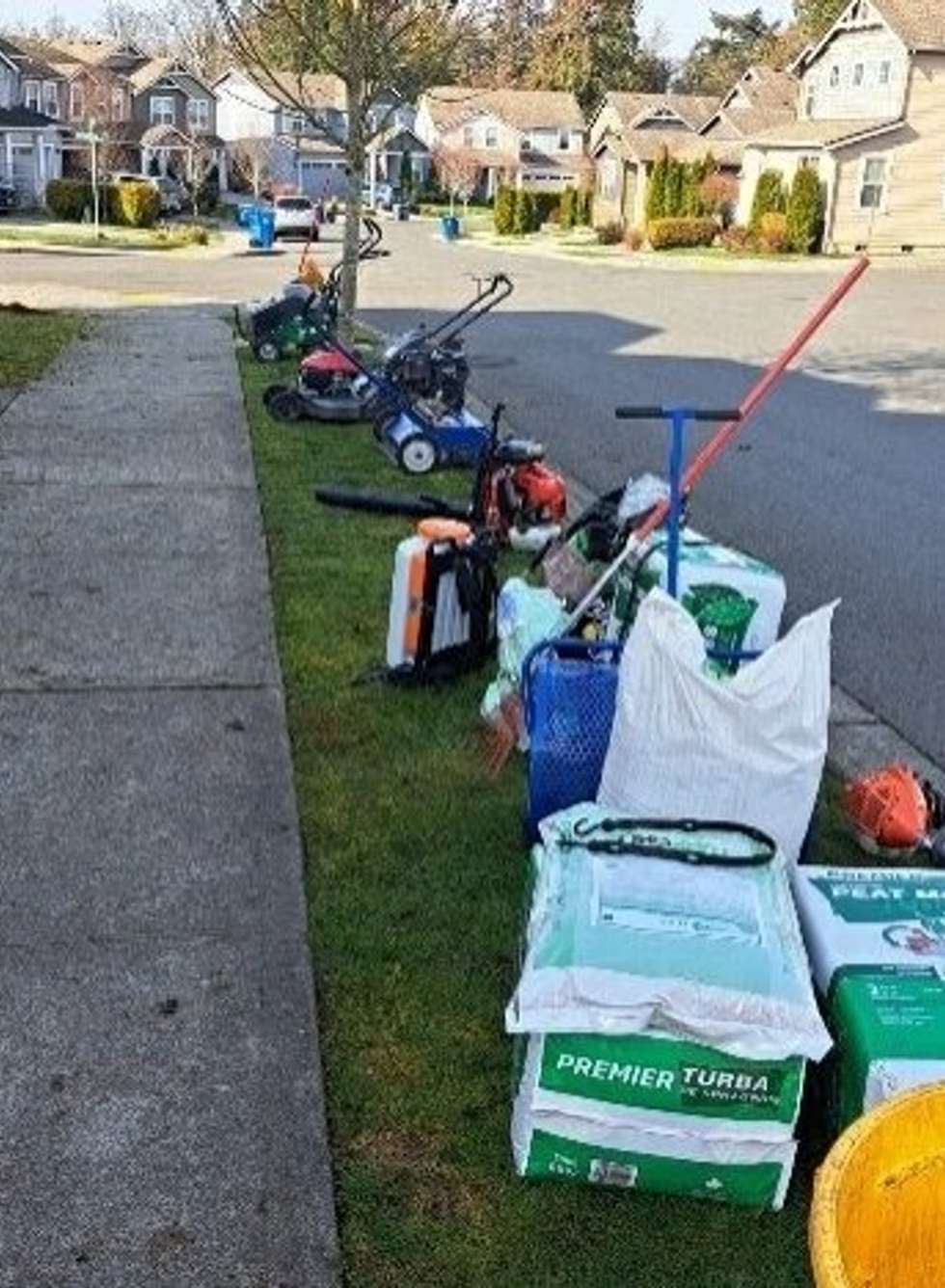
We measure and we use a spreader, not a handful. Fall is the important feeding. Spring is lighter, or skipped if the lawn is mostly moss and the real job is a dethatch. Kids and pets stay off it until the product is watered in and the surface is dry. We say that out loud before we leave.
The ground in Bothell
We work the north side of the city, not a pretend second office. Yards are a mix of older ramblers and newer houses with small planting strips and a patio poured on tight fill. Runoff is the theme. A permeable patio or a short drain does more for the foundation than a wider concrete pad.
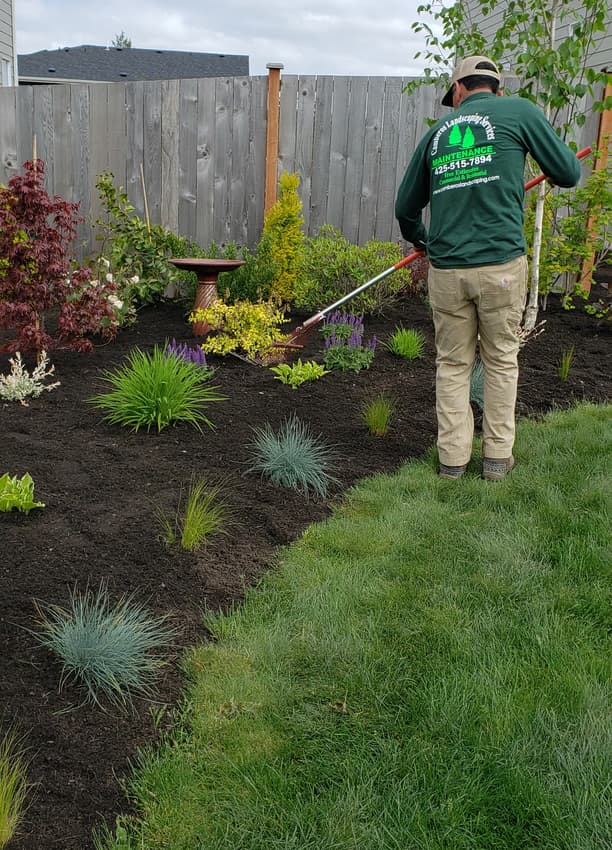
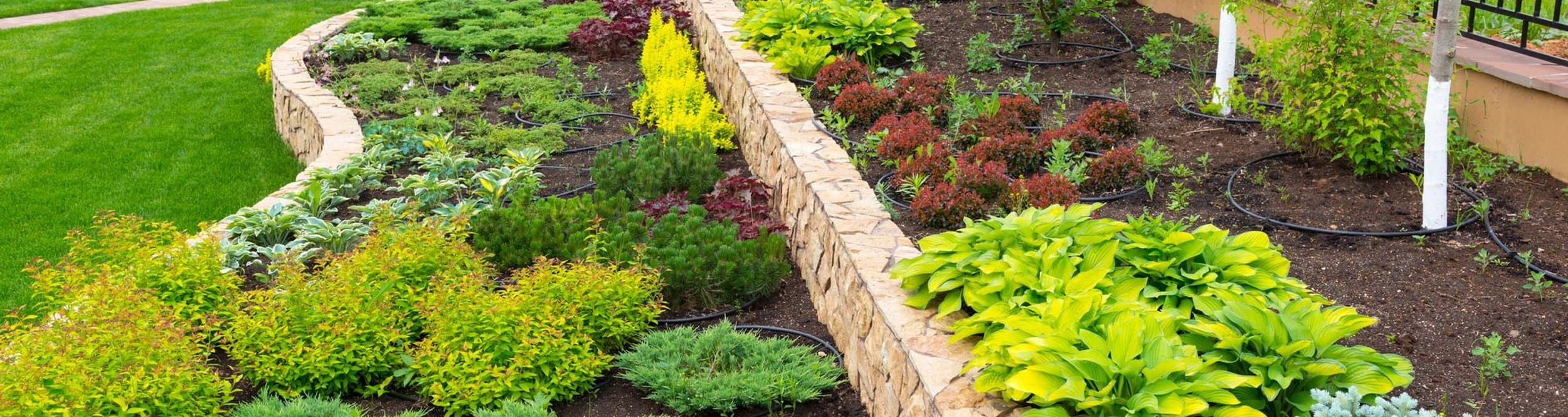
People here ask for plantings that feed birds and do not need a sprinkler all summer. That fits. Native beds along a back fence, a bark layer that is actually thick enough to suppress weeds, and a lawn that is aerated instead of constantly reseeded. Pressure washing keeps the walks and the siding from going black under the trees. The trail is a nice neighbor and a weed source. Edges need a clean line or the brush moves in.
How we do the work
Most “hungry” lawns we see are wet, shady, or mowed to the dirt. Fertilizer on that lawn feeds the moss and burns the grass if the rate is hot. We fertilize after we know the lawn has light, drainage, and a thatch layer thin enough for the product to reach soil.
We use slow feed, not a cheap quick green that is gone in three weeks and yellow after. Lime when the soil is sour. We do not stack lime and a heavy nitrogen app on the same afternoon and hope.
If the lawn is mostly moss, we say so and we sell the dethatch instead of a bag. Food is the last step, not the first.
What we look at first
- Moss versus thin grass
- How short it has been cut
- Whether the lawn drains
- A soil read before we lime, not a guess
Moss products
Iron blacks the moss. It does not remove the shade or the water that grew it. We use it as a tool after the mat is managed, not as the whole plan. Dead moss still has to be raked out or you are looking at a black carpet.
Lime, separately
Western Washington soil is often acidic, and moss likes it that way. Lime changes the pH slowly. It is not a moss killer and it is not a fertilizer. We apply it when the lawn needs it, and we do not bury it under a heavy nitrogen app the same hour.
Pets and kids
Keep them off until the product is watered in and the blades are dry. We use common lawn fertilizers, not a mystery mix, and we still do not treat them as something to play in while they are sitting on the leaf.
More from this crew
- Lawn fertilization across Snohomish County
- Lawn weed control in Bothell
- Lawn aeration in Bothell
- Lawn seeding in Bothell
- Lawn mowing in Bothell
- Lawn fertilization in Mill Creek
- Lawn fertilization in Lynnwood
- Lawn fertilization in Brier
Sources for the climate and the water
- USDA plant hardiness map for choosing plants that can take a Snohomish County winter.
- EPA WaterSense on watering less once a lawn or a new planting is established.
- EPA Soak Up the Rain on keeping roof and yard water from becoming someone else’s problem.