On the Snohomish County side of Bothell the lots sit between newer housing and the Sammamish River trail. Roofs, drives, and the trail corridor move a lot of water. The soils are urban soils: graded, compacted, and quick to grow moss where the sun is weak. City weeds are in the seam of the walk, the gravel shoulder, and the tired strip by the curb. The lawn weeds are usually from mowing too short.
Snohomish County · ZIP 98021
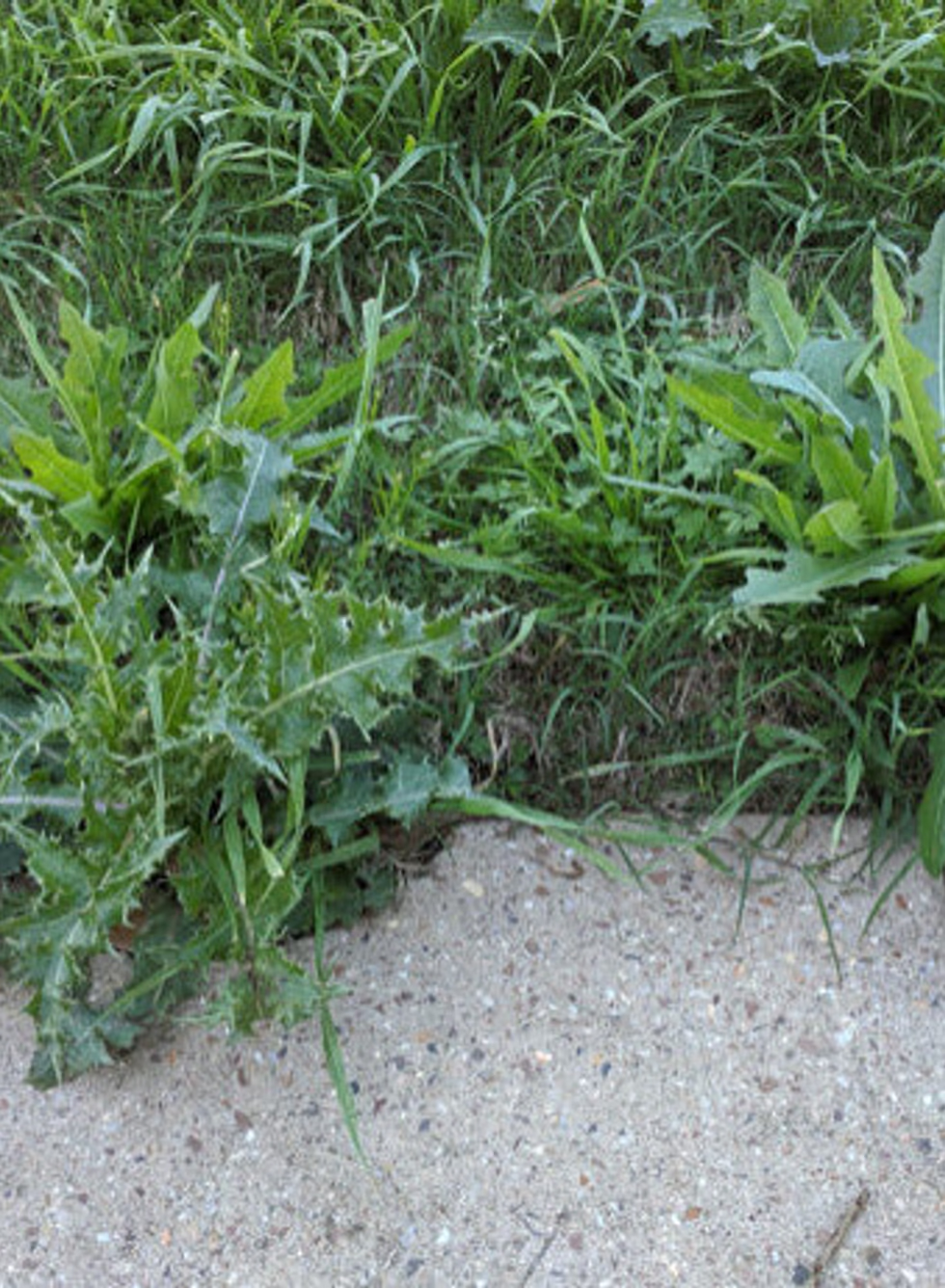
Cracks, edges, and thin parking strips
We raise the mowing height and thicken the grass, and we treat the broadleaf weeds that are left. Sidewalk cracks are a different pass, targeted, not a fog over the whole front. Beds along a fence get hand-pulled if they are small, and bark after.
If the parking strip is more dandelion than grass, we renovate that strip. Spot spray on a weed lot leaves you with dirt and the next generation.
The ground in Bothell
We work the north side of the city, not a pretend second office. Yards are a mix of older ramblers and newer houses with small planting strips and a patio poured on tight fill. Runoff is the theme. A permeable patio or a short drain does more for the foundation than a wider concrete pad.
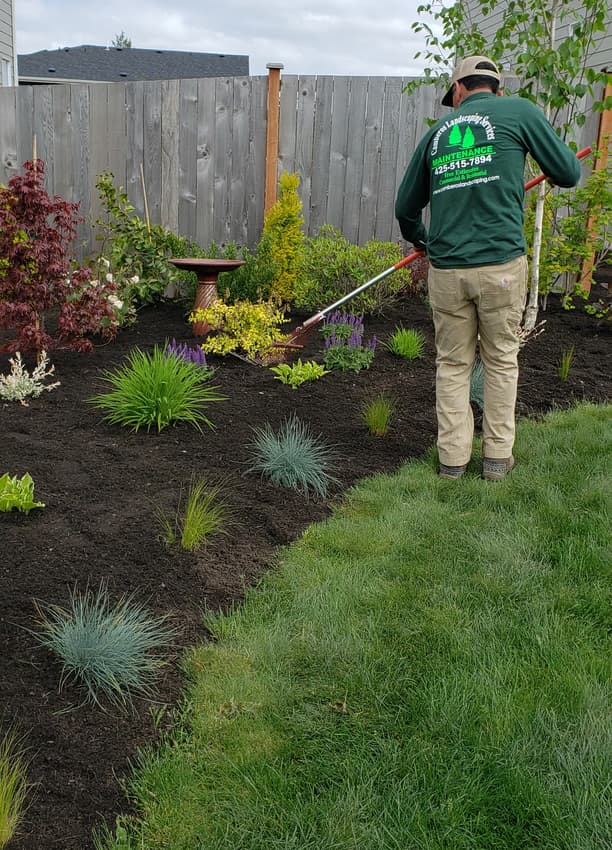
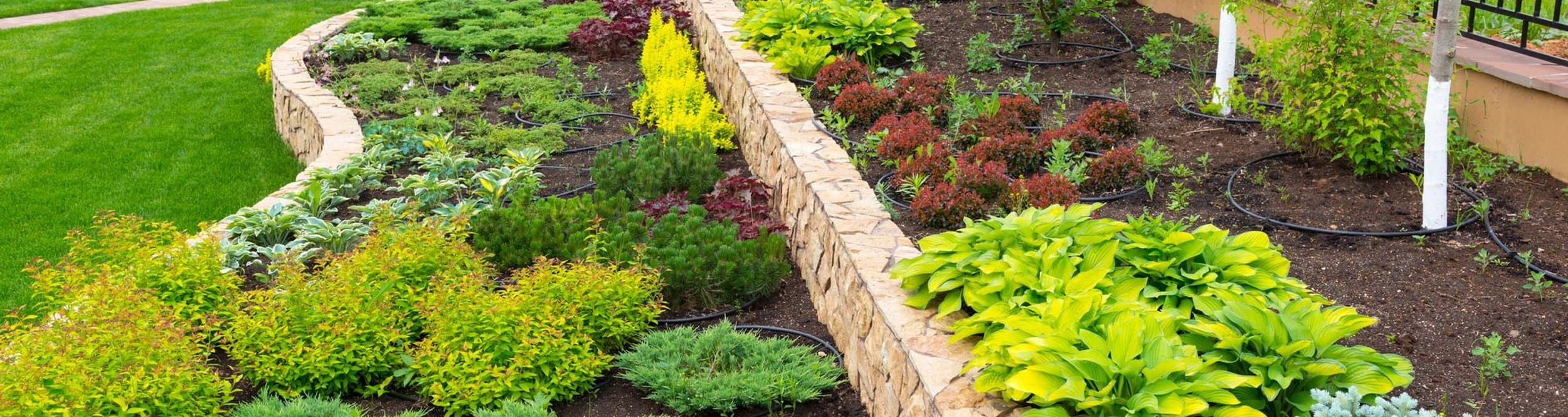
People here ask for plantings that feed birds and do not need a sprinkler all summer. That fits. Native beds along a back fence, a bark layer that is actually thick enough to suppress weeds, and a lawn that is aerated instead of constantly reseeded. Pressure washing keeps the walks and the siding from going black under the trees. The trail is a nice neighbor and a weed source. Edges need a clean line or the brush moves in.
How we do the work
Buttercup, dandelion, and clover in a lawn usually mean the grass is thin, the soil is wet or sour, or the mowing is too short. Spray on a lawn that is mostly weed is a brown yard. We thicken the grass and treat the weeds that are actually invaders, and we tell you when the lawn should be renovated instead.
In beds, the honest tools are a thick bark layer, a pulled root, and a edge that the field cannot cross. Pre-emergent has a place on gravel and on open soil. It is not a substitute for three inches of bark in a bed that was never mulched.
What we look at first
- Which weed it is, because buttercup and horsetail are not the same job
- How much of the lawn is still grass
- Wet spots that will regrow the weed no matter what we spray
- Beds versus turf, so we are not putting a lawn product in a shrub bed
Spot treat, do not fog
A targeted application on the weeds you can name beats a broadcast that yellows the grass and still misses the roots in a wet spot. We would rather make a second short visit than burn a lawn to get the dandelions.
Beds
Hand pull the perennials, three inches of bark, and an edge the mower can feel. Fabric under bark is something we spend the next visit cutting out. We do not install it as weed control.
Bare spots need seed
A dead weed is a hole. In a lawn, that hole is the next weed unless grass fills it. We seed the opening when the product label and the season allow, or we come back and seed. Leaving dirt is not a finished visit.
More from this crew
- Lawn weed control across Snohomish County
- Lawn fertilization in Bothell
- Lawn aeration in Bothell
- Beauty bark in Bothell
- Lawn mowing in Bothell
- Lawn weed control in Mill Creek
- Lawn weed control in Lynnwood
- Lawn weed control in Brier
Sources for the climate and the water
- USDA plant hardiness map for choosing plants that can take a Snohomish County winter.
- EPA WaterSense on watering less once a lawn or a new planting is established.
- EPA Soak Up the Rain on keeping roof and yard water from becoming someone else’s problem.