Index is a town of 153 people in the Skykomish valley, tucked under steep, rocky walls. Rain comes down those walls in a hurry. Yards are small clearings, and the mountain is the neighbor on every side. A racked fence on a steep rocky slope opens a gap a dog uses, or it twists the posts. We step it, and we dig into rock instead of perching the post.
Snohomish County · ZIP 98256 · 2020 population 153
Step the fence with the hill
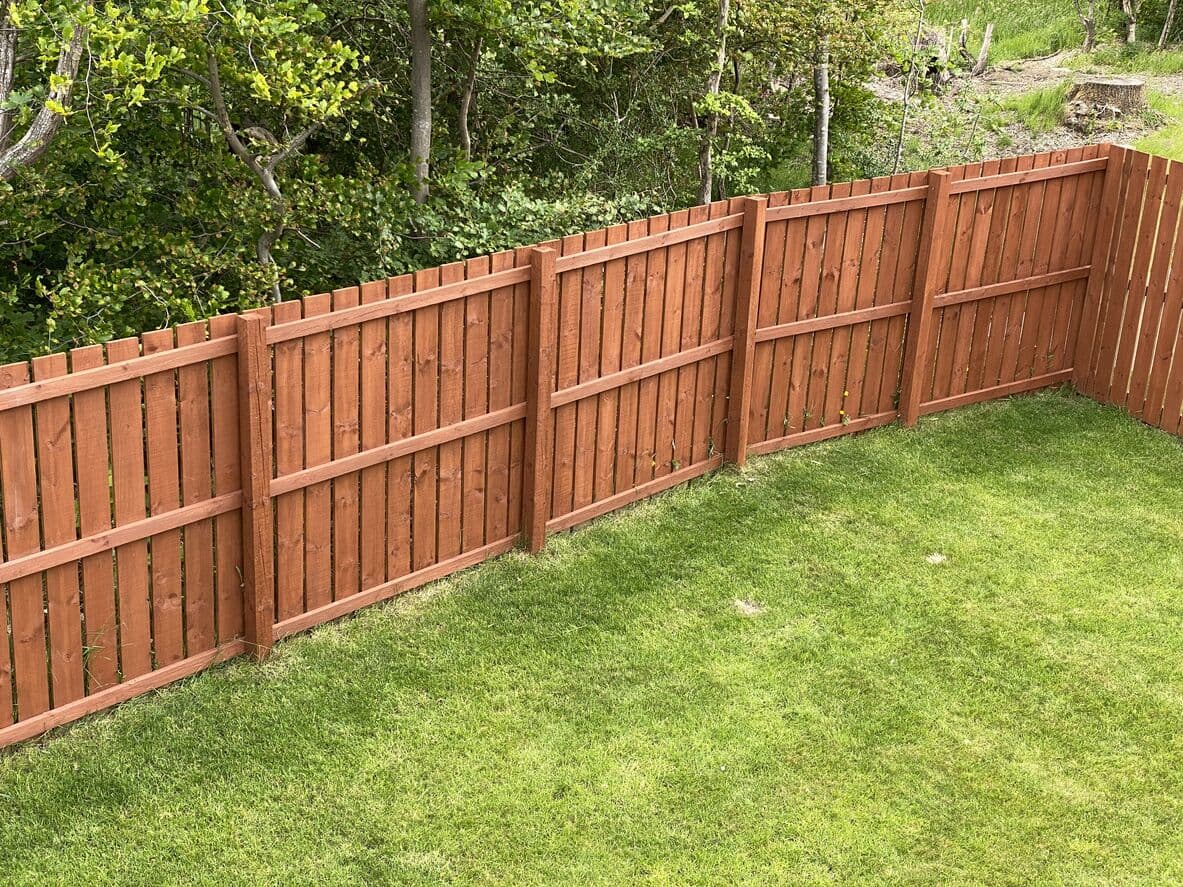
Posts on a foothill lot sometimes hit rock early. We do not stop at the first stone and call it deep. The post is founded, even if that means a different footing. The fence follows the grade in steps you can see, with the bottom gap consistent enough that you are not looking at daylight on one bay and buried board on the next.
Wind on an open slope loads a solid board fence. We say if the exposure wants a more open style. A solid sail on two posts is a future repair.
The ground in Index
There is no subdivision playbook here. Access can be a single lane, the soil is thin over rock, and a “backyard” may be forty feet of level ground before the timber starts. Intense runoff is the design constraint. A wall has to be heavy enough to stay put, and a drain has to daylight somewhere that does not wash out the next switchback.
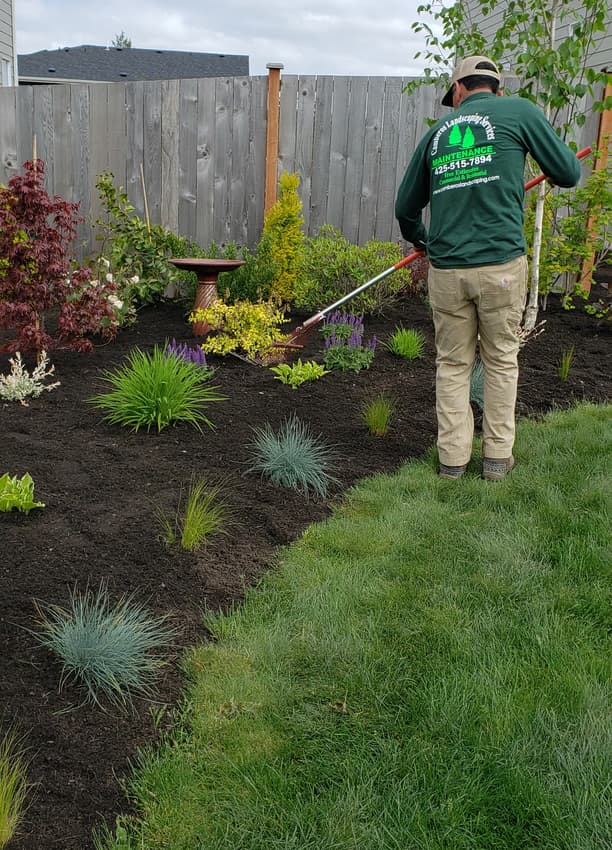
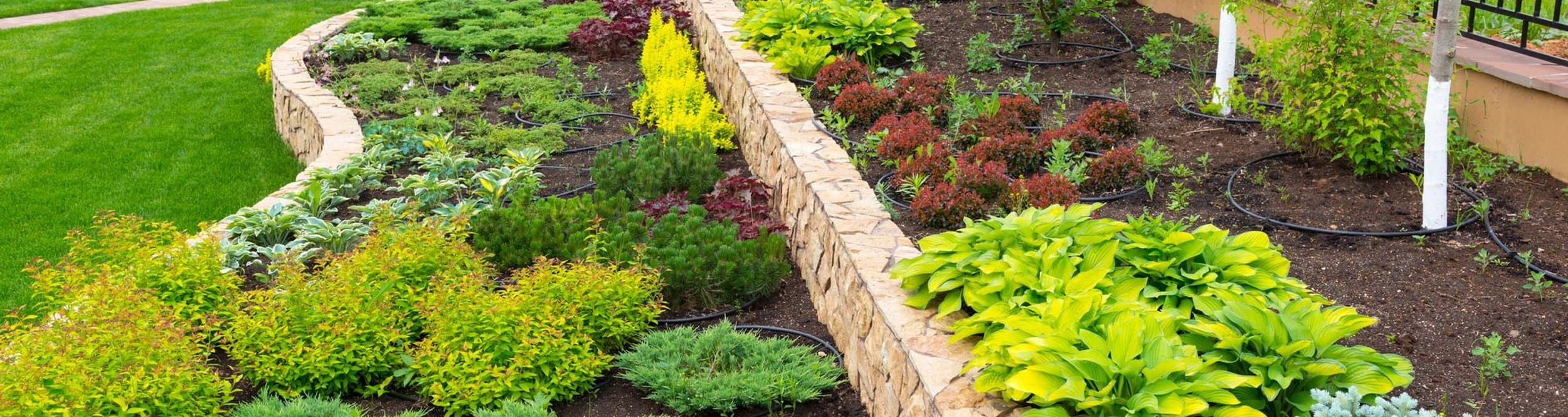
We keep planting short and native. Anything that needs summer water and a gardener will lose. Gravel and hardscape earn their place because they stay usable when the ground is soaked. Pruning and cleanup are how you keep the forest from taking the roof, the line of sight on the drive, and the ditch that is supposed to carry the runoff.
How we do the work
A fence in this county fails at the post. Wood rots where it meets wet soil, and a post set in a soft hole leans when the clay shifts. We set posts deep, we crown the concrete or the rock so water does not pool on the wood, and we keep the bottom of a board fence off the ground so it is not wicking mud.
Cedar for the boards, pressure-treated or steel where it touches the soil. We do not bury untreated lumber. Gates are built as gates, with a brace, not as a short panel that sags by August.
What we look at first
- The property line, before we dig
- Slope, and whether the fence should step or rack
- Who keeps the good side, and where the gates need to swing
- Sprinklers and the neighbor’s grade
Gates
A diagonal brace in the right direction, hinges that can carry the weight, and a latch you can open with one hand. The gate post is bigger or deeper than the line posts. A sagging gate is a build problem, and it shows up fast.
Stepped or racked
Stepped panels on a real slope, so the boards stay plumb and the gaps stay even. Racking a flat panel down a hill twists the frame. We pick the method from the grade, not from a photo.
How long cedar lasts
A well-set cedar fence in this rain is often in the fifteen to twenty year range, longer if the bottom stays dry and you stain it before it goes gray and split. The posts outlive a careless bottom board. We build so you can replace boards later without replacing the line.
More from this crew
- Fence installation across Snohomish County
- Retaining walls in Index
- Gravel installation in Index
- Hardscaping in Index
- Landscaping in Index
- Fence installation in Gold Bar
- Fence installation in Sultan
Sources for the climate and the water
- USDA plant hardiness map for choosing plants that can take a Snohomish County winter.
- EPA WaterSense on watering less once a lawn or a new planting is established.
- EPA Soak Up the Rain on keeping roof and yard water from becoming someone else’s problem.