Sultan sits on the Sultan River, on the way up the highway toward the trails and the passes. Yards step with the terrain. Water comes off the higher ground, crosses a lawn, and heads for the river or the ditch. Upslope, the growing season is shorter and the soil is thinner. Seed put down too late sits in the cold and washes.
Snohomish County · ZIP 98294 · 2020 population 5,458
A short window on thin soil
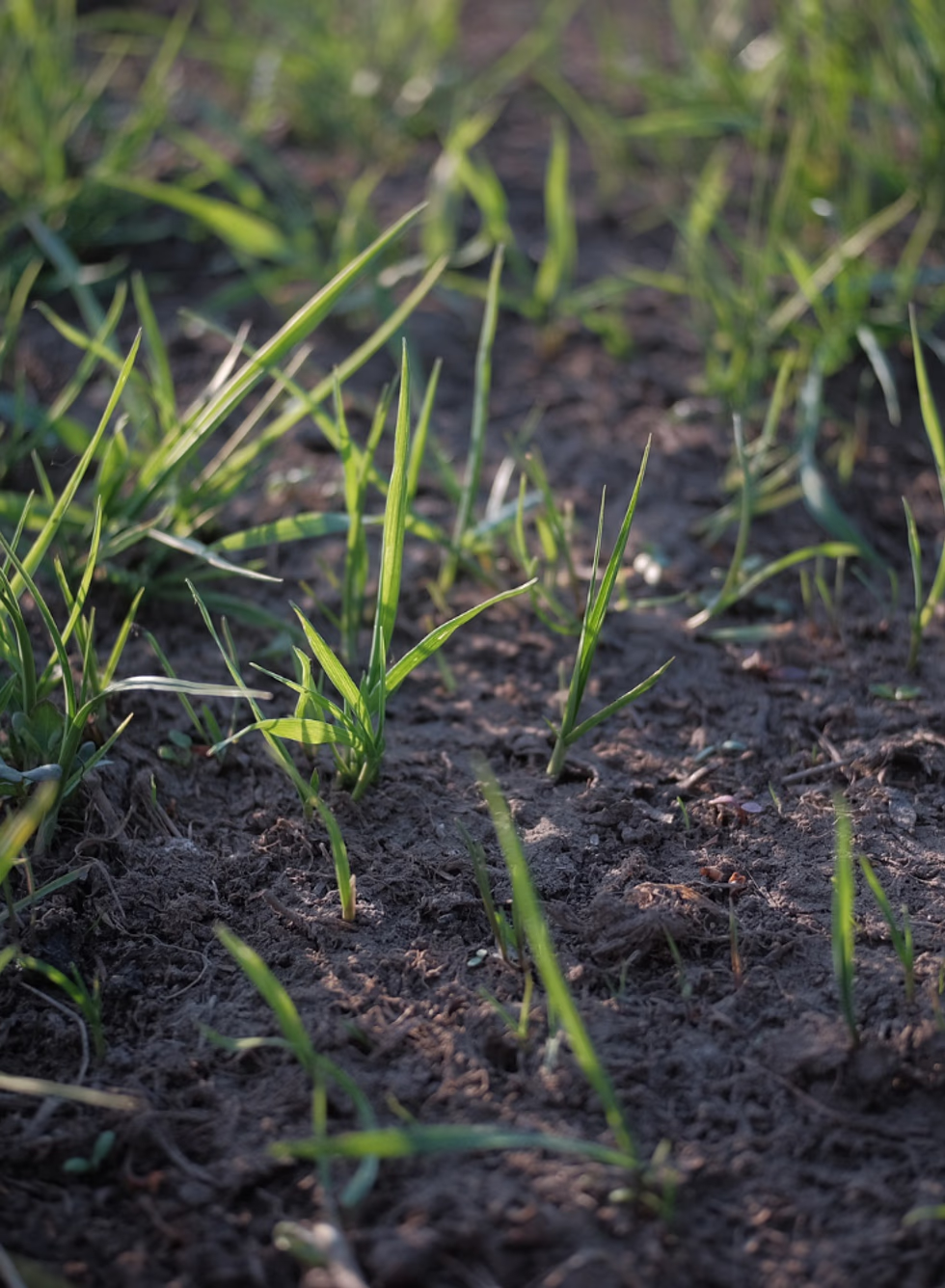
We seed the flat bench after the soil has warmed and before the fall rains are constant. Thin ground gets compost worked in, or the seed germinates and starves. Hydroseed is useful on a raw bank only if the bank is not so steep that the slurry slides. Steep cuts get plants or erosion blanket, not a lawn promise.
Mixes stay simple and tough. A showcase Kentucky bluegrass lawn is the wrong product against the timber.
The ground in Sultan
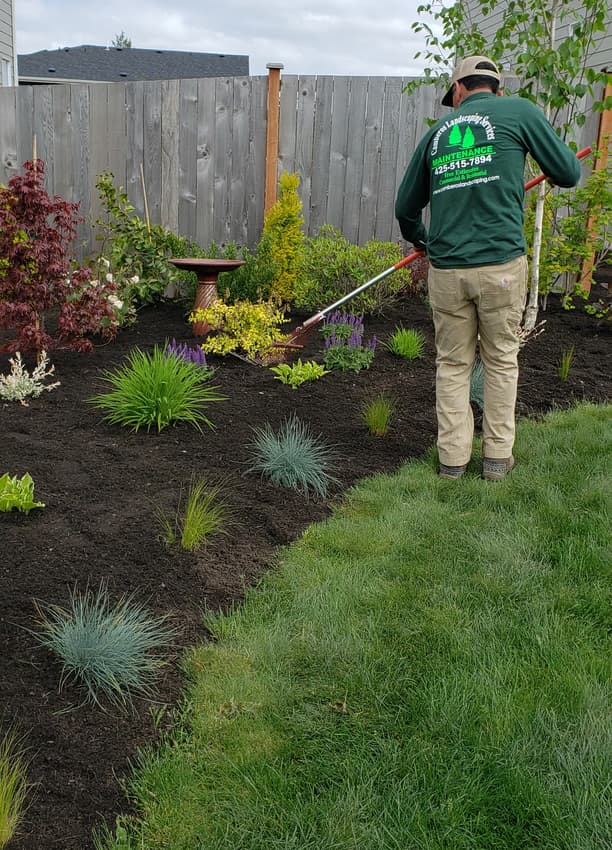
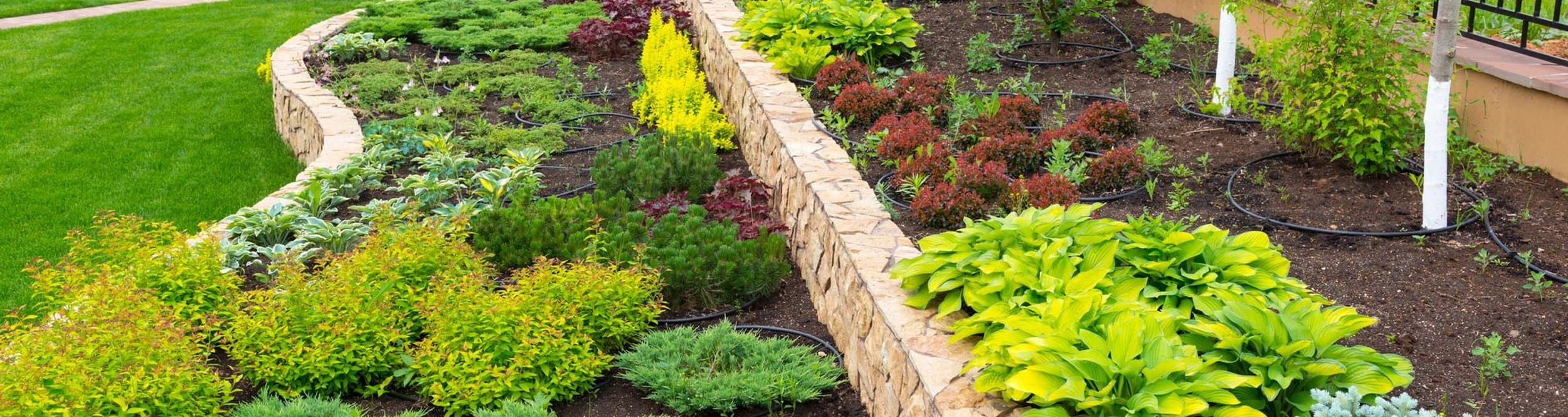
The useful projects are the ones that make a sloped lot walkable: a gravel path that stays put, a rock wall where the bank is cutting, a drain at the top of the slope so the patio is not the creek. Forest edge is close. Alders and maples lean in, and after a wind the cleanup is limbs, not a few leaves on a patio.
Lawns exist on the benches. They need seed that can take shade at the tree line and a soil that is often thin. We do not promise a golf-course surface against the timber. Native mountain plants hold the cuts better than a bark bed that just slides downhill in January. Access for machines is usually fine along the highway side and tight once you are in the trees. We look at that before we promise a wall.
How we do the work
Seed fails here for three boring reasons: it lands on moss, it lands in the dry week of July, or it is a variety that wants a Midwest summer. We use mixes that can take cool, wet winters and our weak sun. The ground is opened first, by dethatching or cores, or the seed is just decoration.
Hydroseed makes sense on a bare area big enough to justify the tank, especially a cleared bench or a new grade. A small backyard is hand seeded or slit seeded. We say which one when we see the square footage, not from the truck.
What we look at first
- Bare soil versus a mat the seed cannot touch
- Sun hours, because no mix grows under a solid canopy
- How the water leaves the area
- Whether hydroseed or a slit seeder fits the gate and the size
Water for the first two weeks
Rain usually does it in September. If it does not, the surface needs to stay damp, not flooded. Once the grass is up, we stretch the watering out. A seedling that is misted forever never roots.
The mix we actually use
Perennial rye for speed and wear, fine fescues for shade and for the wet. We do not push a bluegrass lawn that wants heat we do not get. The bag is matched to the light on that yard, not to a single recipe for the whole county.
When to mow new grass
At about three inches, with a sharp blade, and not shorter than two. The first mows are slow. Turning the mower on a dime on day ten pulls the seedlings out in a clump.
More from this crew
- Lawn seeding across Snohomish County
- Lawn aeration in Sultan
- Sod installation in Sultan
- Lawn dethatching in Sultan
- Lawn fertilization in Sultan
- Lawn seeding in Monroe
- Lawn seeding in Gold Bar
- Lawn seeding in Index
Sources for the climate and the water
- USDA plant hardiness map for choosing plants that can take a Snohomish County winter.
- EPA WaterSense on watering less once a lawn or a new planting is established.
- EPA Soak Up the Rain on keeping roof and yard water from becoming someone else’s problem.