Gold Bar is a foothill town on the Skykomish. The river is the flood story, and the banks above it are rock and thin soil. Spring water comes down the cuts fast, and a lawn or a driveway that ignores that ends up as a channel. Foothill buildings stay damp. The walk from the drive to the door is often slick. That is a safety wash, and it is also a place we do not want to strip the surface off.
Snohomish County · ZIP 98251 · 2020 population 1,918
Concrete, siding, and the mossy walk
We clean the slick film and the siding that has gone green on the timber side. Water is directed away from the crawlspace. On a slope, the runoff has to go somewhere that is not under the house.
Stone walls get a light clean if you want the face readable. We do not try to make fifty-year-old rock look new. That means blasting the face off.
The ground in Gold Bar
Lots here are not the flat rectangles of Marysville. Driveways climb, yards step down toward the river or the highway, and the native ground is rocky enough that a shovel stops early. When the river runs high, low ground remembers it. We do not put a finished lawn or a bark bed in a spot that has carried water.
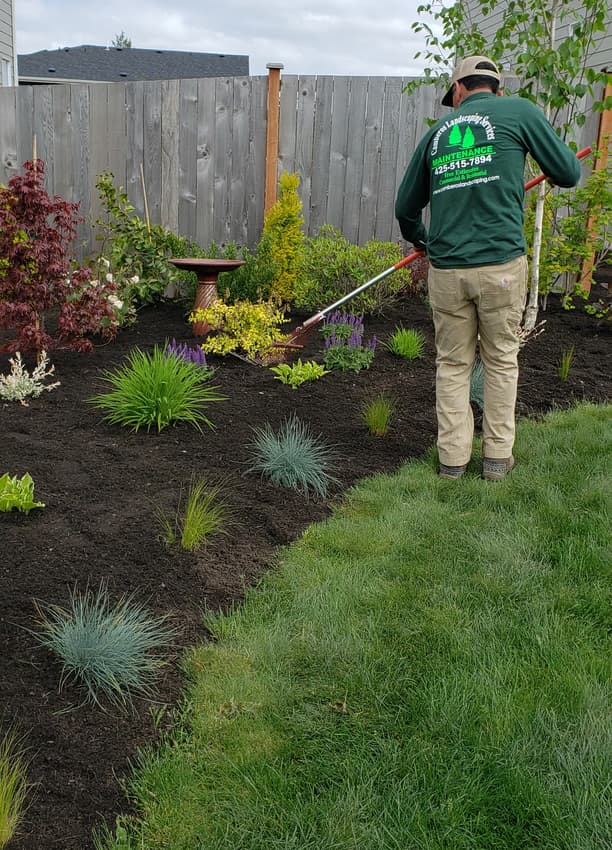
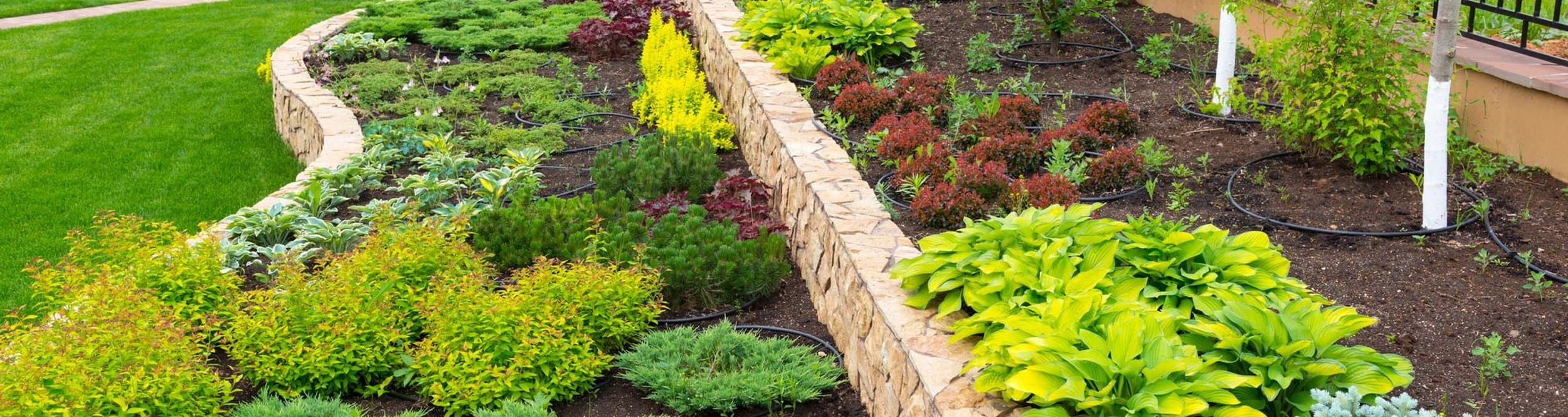
What works is straightforward: rock and retaining where the bank is moving, gravel on the steep drive, and a drain that has a real outlet instead of a hole filled with hope. Plantings stay rugged. A manicured hedge is a maintenance bill in a town that gets the mountain rain. Cleanup is often storm debris and alder coming in from the edge of the clearing.
How we do the work
Most of what people call pressure washing here is organic film: the black and green on the north side, the walks, the fence. The fix is the right tip, the right distance, and often a wash that kills the growth so it does not return in a month. A zero-degree tip on a soft wood deck is how you get a furred, ruined deck.
We do not drive water up under lap siding or into a vent to prove the washer is strong. High pressure is for concrete that can take it. Wood, paint, and mortar joints get a softer approach.
What we look at first
- What the surface is
- Where the water will run
- Plants and outlets we need to protect
- Whether the black is mildew that needs a treatment, not just a blast
Wood versus concrete
Concrete can take a stronger wash. Cedar decks, fences, and soft siding cannot. If we raise the grain, the surface holds more dirt afterward. We would rather leave it a shade less bright than furred.
What will not come out
Rust, deep oil, and etching that is already in the concrete. We can fade some of it. We will not promise a new slab. Paint that is loose will leave with the dirt, and you will see the bare spots. We point those out first if we can.
Treatment
A wash that kills the algae and mildew, applied and rinsed, is why the surface stays clean longer than a blast. We use it where the film is biological. We do not soak your vegetable bed in it. Plants get rinsed.
More from this crew
- Pressure washing across Snohomish County
- Patio installation in Gold Bar
- Paver installation in Gold Bar
- Fence installation in Gold Bar
- Yard cleanup in Gold Bar
- Pressure washing in Sultan
- Pressure washing in Index
- Pressure washing in Monroe
Sources for the climate and the water
- USDA plant hardiness map for choosing plants that can take a Snohomish County winter.
- EPA WaterSense on watering less once a lawn or a new planting is established.
- EPA Soak Up the Rain on keeping roof and yard water from becoming someone else’s problem.