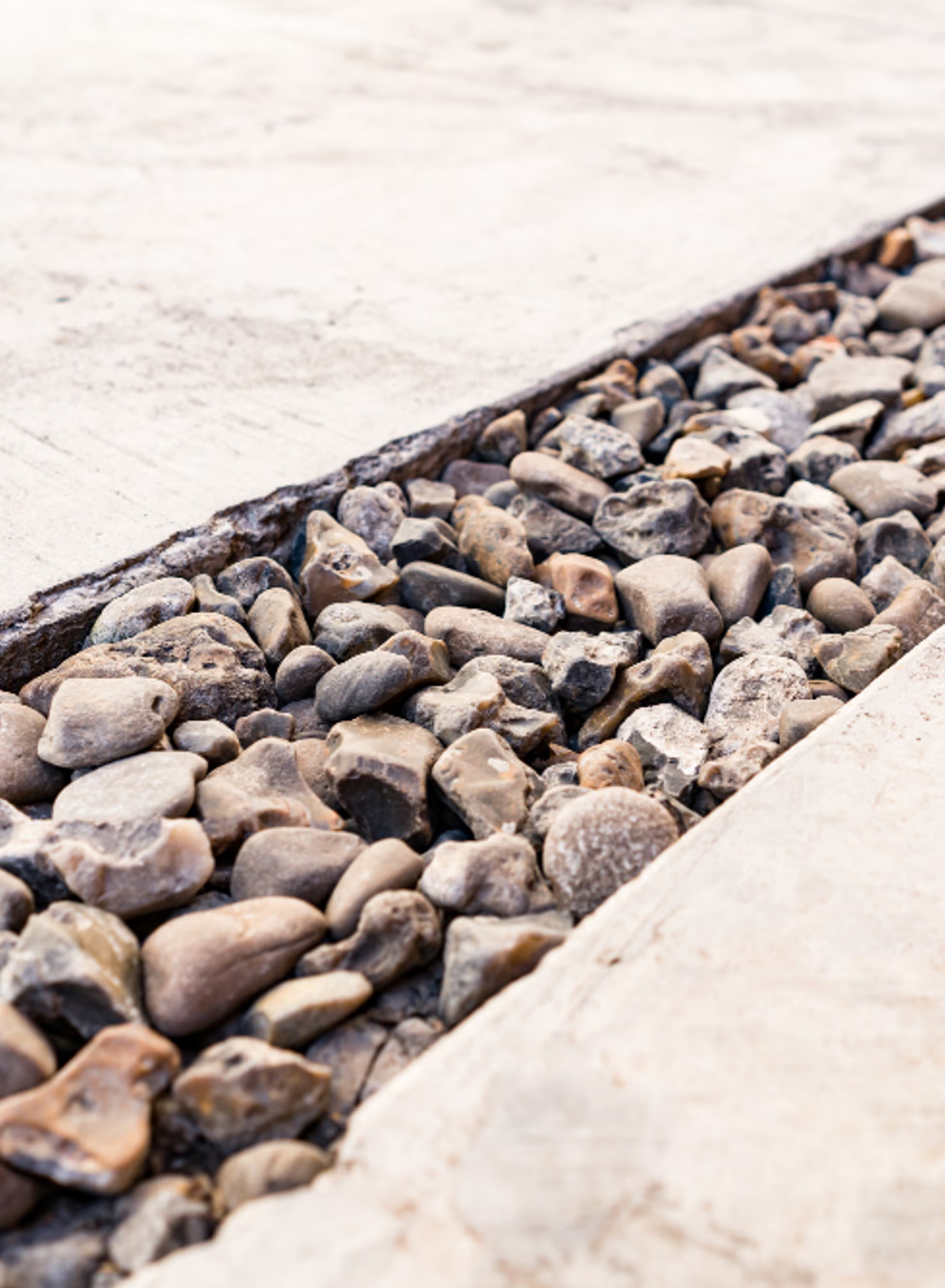
Mercer Island sits in the middle of Lake Washington, so almost every street runs downhill to the water. Lots are steep, the tree canopy is old and tall, and the shoreline lots have banks that move when runoff from the street above has nowhere else to go. Loose gravel on a slope toward the lake becomes sediment in the lake. We use angular rock, an edge, and we do not spill a path down the bank.
King County · ZIP 98040
Keep the rock on the path
The upper paths and the area under a gate are good gravel projects. The shoreline is not a place for a fresh load of round rock. If you need footing near the water, we look at a short, stable step and plants, not a gravel slide.
Geotextile stays covered. Fabric flapping at the edge is a failed job, and it is what happens when the excavation was too thin.
The ground in Mercer Island
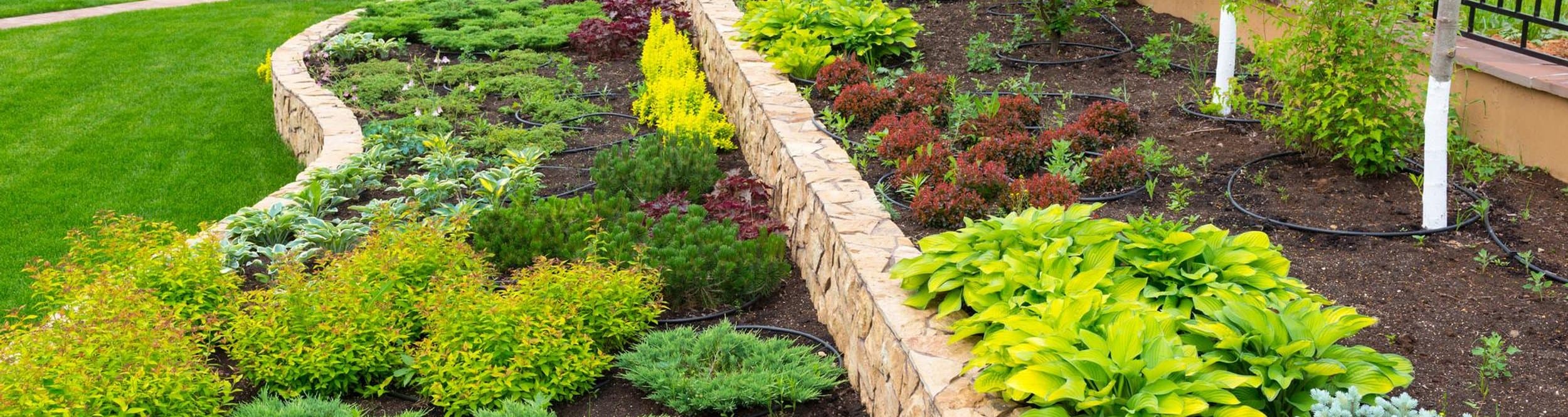
Most of our work here is on slopes. A patio or terrace has to be cut into the hill with a real base and a drain behind any wall, or the first wet winter shows where the water wants to go. On the lakefront lots we keep native shrubs on the bank, because they hold the soil better than lawn, and we take runoff to a drain or a rain garden instead of letting it sheet over the edge.
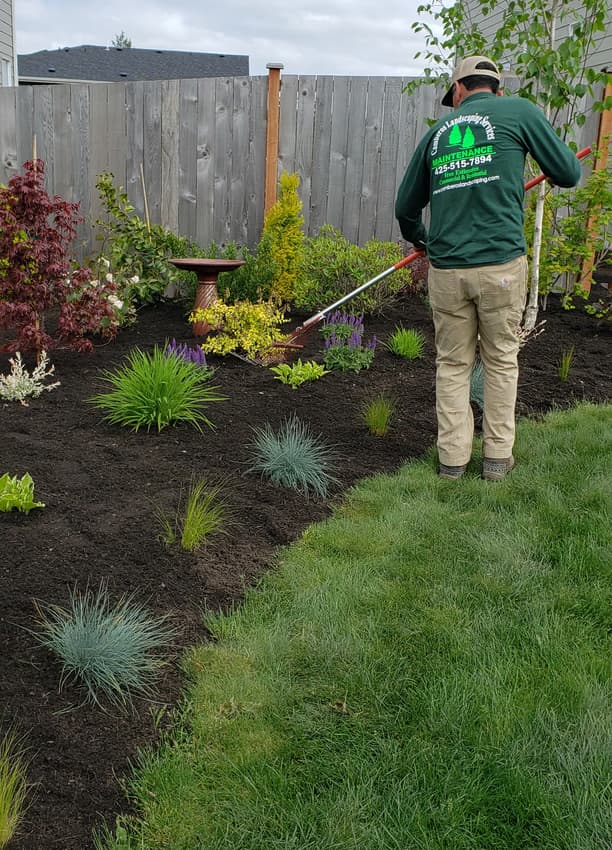
The city is strict about removing large trees and about work near the shoreline. We check what needs a permit before we cut or dig, and we plan around the trees you have to keep. Under those firs and cedars the ground is shady and mossy, so we often turn worn-out lawn into planting beds and stone paths that stay clean year-round.
How we do the work
Gravel stays put when it has a compacted base, a fabric or a separation from the clay, a slight crown or a cross slope, and an edge. A load of rock dumped on the grass is a mud pit by spring. We dig out the soft soil, build the base, and top it with the rock you actually walk and drive on.
The top rock is not the same as the base rock. Base is angular and locks. The surface might be smaller crushed rock or a cleaner gravel, depending on whether this is a drive, a dog run, or a path.
What we look at first
- Cars, foot traffic, or both
- How soft the ground is in March
- Where the water crosses the drive today
- An edge against lawn or beds so the rock does not migrate
Fabric
Separation fabric keeps clay from pumping up. It is not weed magic, and it is not a substitute for digging out the mud. We lap it and we cover it. Sun-baked fabric at the edge means the gravel was spread too thin.
Refresh
Gravel is maintenance. Every few years a drive needs rock added and graded back to crown. We would rather tell you that than sell a “permanent” gravel surface. Pavers are permanent. Gravel is a good, honest, recurring surface.
Edges and weeds
Steel, timber, or a paved border on a walking path. On a farm drive, the ditch is the edge. Weeds in gravel get pulled or treated early, before the root is a shrub. A thick, clean surface grows fewer of them than a dirty thin one.
More from this crew
- Gravel installation across the region
- French drain installation in Mercer Island
- Fence installation in Mercer Island
- Hardscaping in Mercer Island
- Paver installation in Mercer Island
- Gravel installation in Sammamish
Sources for the climate and the water
- USDA plant hardiness map for choosing plants that can take a King County winter.
- EPA WaterSense on watering less once a lawn or a new planting is established.
- EPA Soak Up the Rain on keeping roof and yard water from becoming someone else’s problem.