Sultan sits on the Sultan River, on the way up the highway toward the trails and the passes. Yards step with the terrain. Water comes off the higher ground, crosses a lawn, and heads for the river or the ditch. Foothill banks want mass. A light stack will walk down the hill the first winter the seep gets behind it.
Snohomish County · ZIP 98294 · 2020 population 5,458
This is the ground rock walls are for
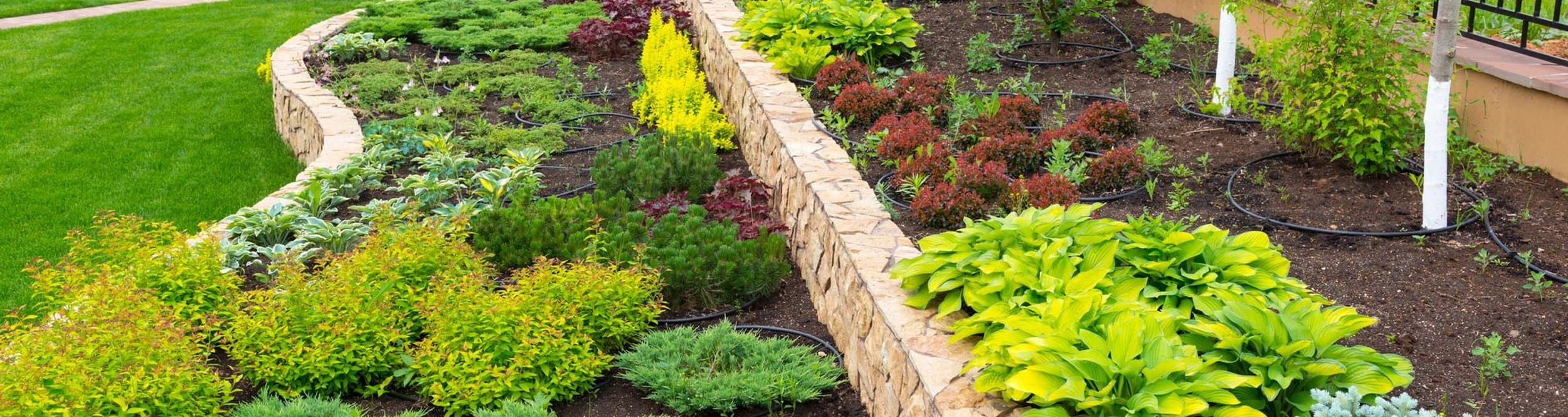
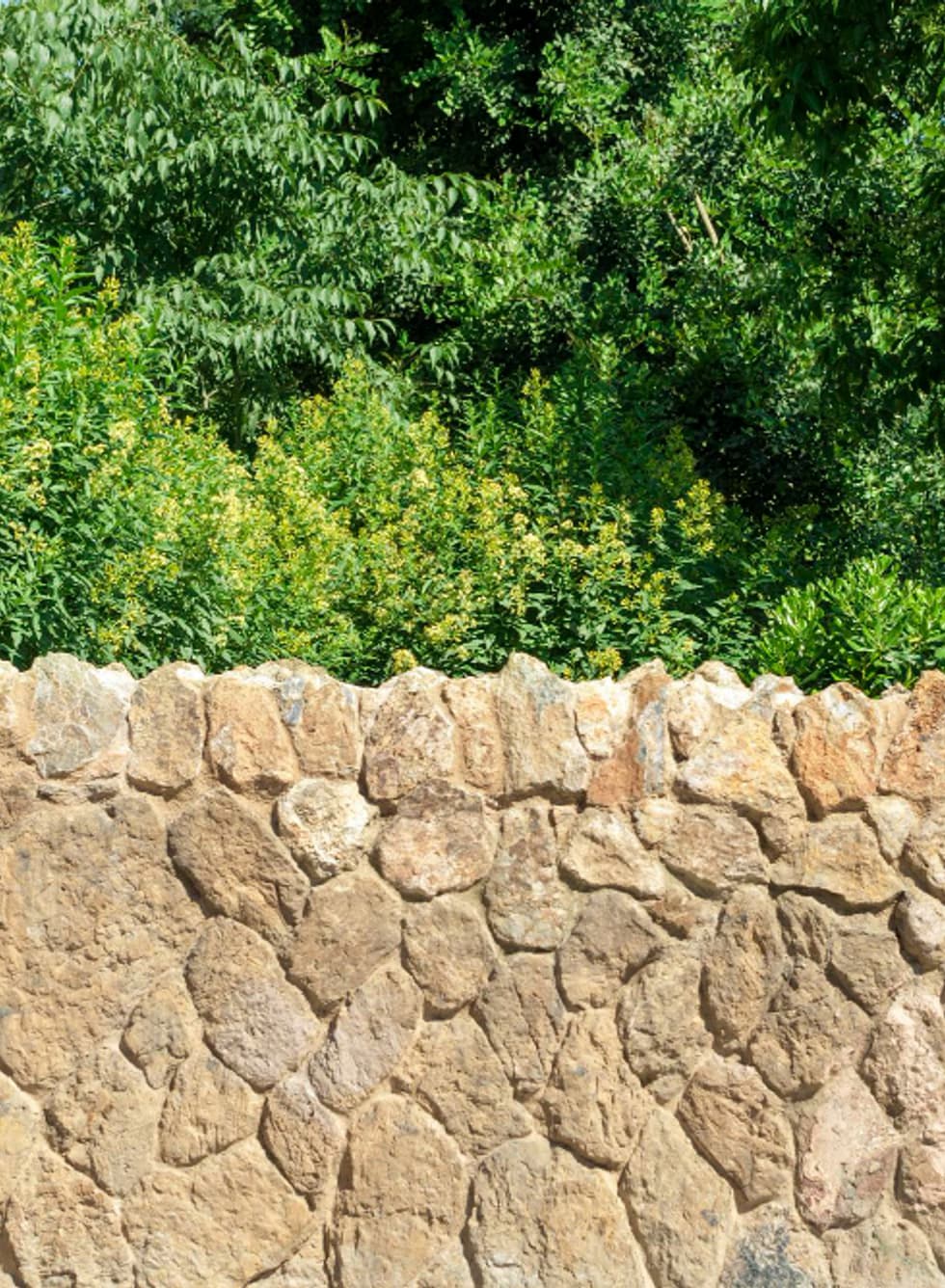
We use large base stones, a batter back into the hill, and drain rock in the voids so the wall is not holding a lake. The face stone is local and irregular. A cut bank above a drive is structural, and if the height needs an engineer we stop and get one instead of adding another course.
Machine access is the limit. If the driveway cannot take the truck, the wall gets smaller or it gets built from stone we can actually place. We will not design a quarry face we cannot deliver.
The ground in Sultan
The useful projects are the ones that make a sloped lot walkable: a gravel path that stays put, a rock wall where the bank is cutting, a drain at the top of the slope so the patio is not the creek. Forest edge is close. Alders and maples lean in, and after a wind the cleanup is limbs, not a few leaves on a patio.
Lawns exist on the benches. They need seed that can take shade at the tree line and a soil that is often thin. We do not promise a golf-course surface against the timber. Native mountain plants hold the cuts better than a bark bed that just slides downhill in January. Access for machines is usually fine along the highway side and tight once you are in the trees. We look at that before we promise a wall.
How we do the work
A rock wall is dry-stacked or lightly set, with the weight in the stone and the drainage in the voids. It is not a veneer glued to a failing timber wall. We use rock big enough for the height, with a face that leans back into the hill, and smaller rock locked behind so the soil does not pipe through.
Good rock work looks heavier at the bottom. If every stone is the same patio-sized block, it is not a wall, it is a stack. We source local stone and we will tell you when the access cannot take the boulder the job wants.
What we look at first
- Height and whether it is structural or a garden edge
- Machine access for real boulders
- The soil behind: clay that needs a drain, or rock that already sheds
- An existing wall we are tying into
The base course
The biggest stones, buried, on compacted rock or competent ground. If the first course is the one you can see sitting on the grass, the wall is already failing. You should see the second course at grade, not the bottom of the first.
Tying into old rockery
We can often continue an existing rockery if the old base is still honest. If the old wall is tipping, we take it down and use the good stone again. Matching a lean is how you extend a failure.
What it will not do
A rock wall will not hold an engineered height it was not built for, and it will not stop a landslide. Past a certain height we involve an engineer or we change the grade so the wall can be shorter. That conversation happens before the stone is ordered.
More from this crew
- Rock walls across Snohomish County
- Retaining walls in Sultan
- Gravel installation in Sultan
- Landscaping in Sultan
- Hardscaping in Sultan
- Rock walls in Monroe
- Rock walls in Gold Bar
- Rock walls in Index
Sources for the climate and the water
- USDA plant hardiness map for choosing plants that can take a Snohomish County winter.
- EPA WaterSense on watering less once a lawn or a new planting is established.
- EPA Soak Up the Rain on keeping roof and yard water from becoming someone else’s problem.