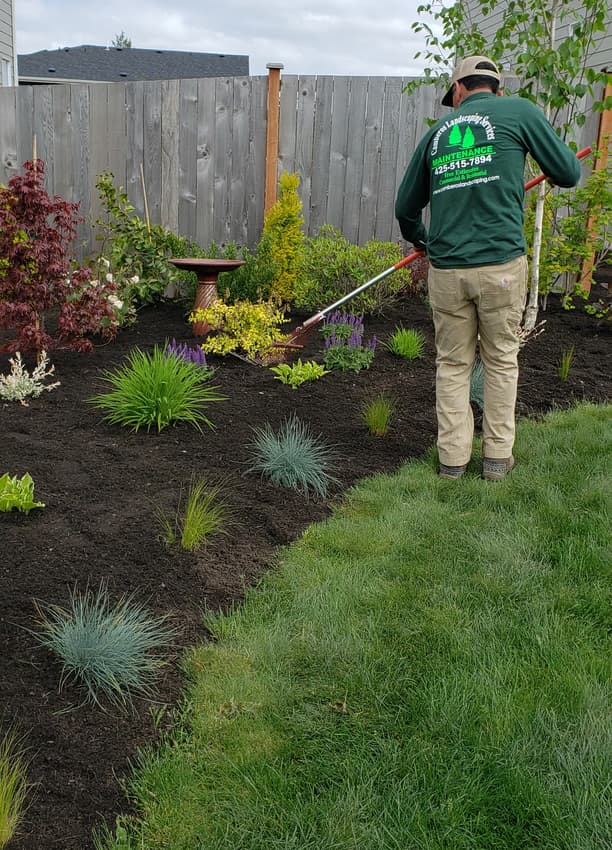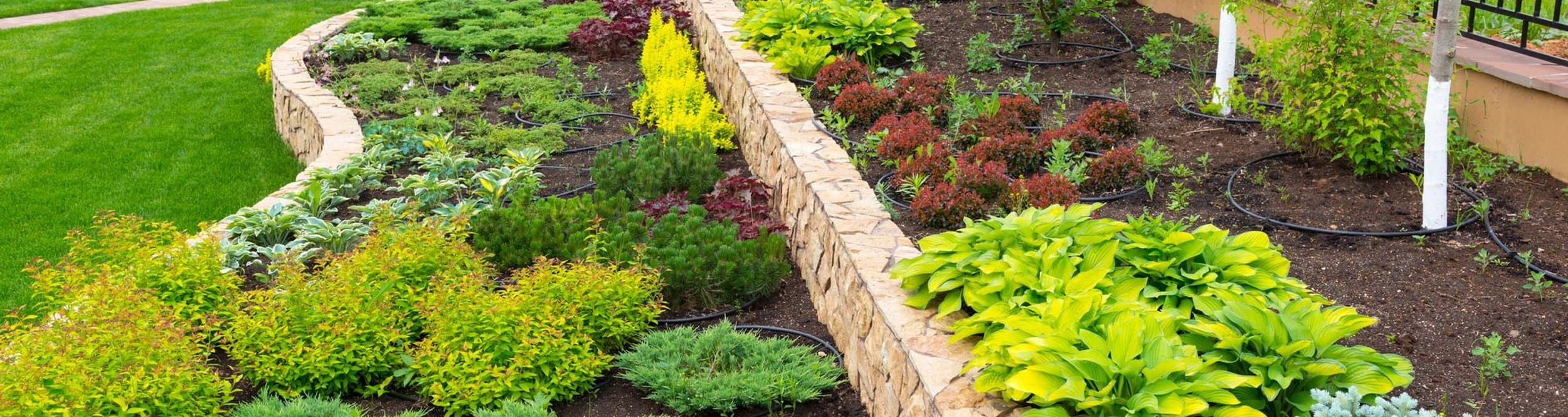
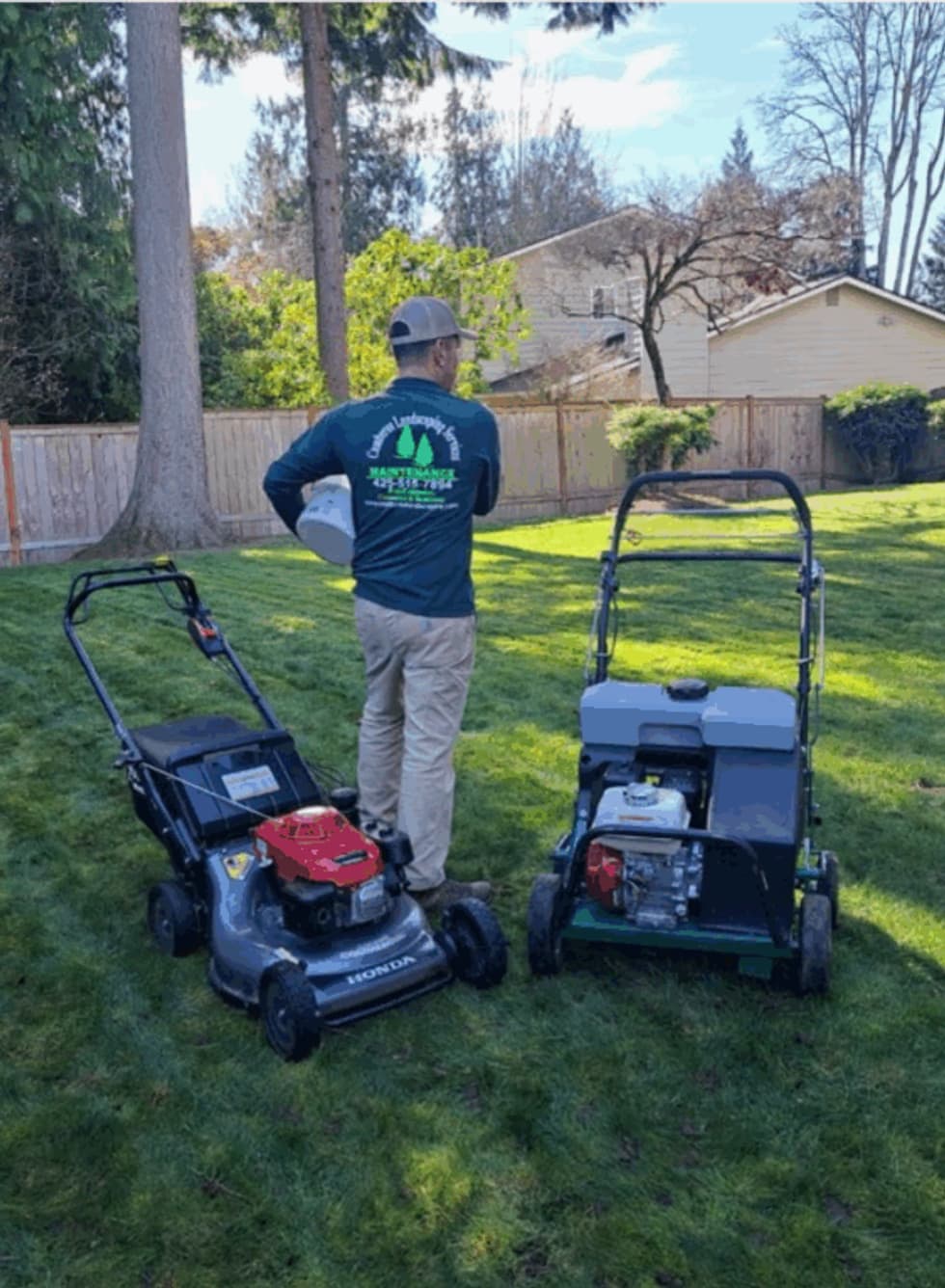
Darrington sits up against the Cascades, with Whitehorse Mountain on the skyline and a harder rain than the towns down on the flats. Soils run rocky, lots break off into steep cuts, and water does not sheet across a lawn so much as it cuts a track and takes the soil with it. The hillside is not a lawn just because grass is growing on it. Mowing a wet slope is how machines slide and how you start a wash.
Snohomish County · ZIP 98241 · 2020 population 1,358
Mow the bench
We cut the flat ground and the gentle walkable slope. Steep banks get a trimmer or they get left wild on purpose. Rocks hide in rough grass. We walk a new lot before we drop the deck.
The season starts later and the grass surges when the rain and a warm week overlap. That is when a “every other week” plan falls behind. We say so and we catch it up, rather than scalping a two-week jungle to the crowns.
The ground in Darrington
This is a small town with mountain weather. A wall that would be decorative in Mill Creek is structural here: it is holding a bank that wants to move every winter. We see shallow, rocky ground, overhanging fir and hemlock, and driveways that wash out where the grade dumps onto the road.
Planting lists shrink to what can handle cold, wet, and poor soil. Huckleberry and mountain hemlock already grow on the edges of these properties. A lawn is possible on the flatter bench of a lot, but it needs seed and soil that can take a short season, not a turf schedule copied from Everett. Cleanup is often about limbs over the roof and ditches that have filled with gravel from the bank above.
How we do the work
We mow higher than most people expect, especially from October through May, because a short lawn in this climate is a moss invitation. Blades stay sharp. Dull mowing tears wet grass and leaves the gray tips everyone blames on fertilizer.
Clippings stay on the lawn when they are short. They are not thatch. Bags come out when the grass is long and wet and would clump. We do not mow a saturated yard into ruts and call it service. We skip or we reschedule that corner.
Edges are trimmed. Walks are blown. A mow that leaves a windrow on the sidewalk is not finished.
What we look at first
- How soft the ground is that morning
- Obstacles, toys, and the wet spot we should walk around
- Edges that need a trimmer without scalping the tree wells
- Whether the lawn wants a higher set this month
What weekly means here
In the surge of spring, weekly. In a dry August, often every other week. In a soaked January, sometimes not at all. A rigid calendar ruts wet lawns and scalps dormant ones. We mow when the grass is growing and the ground can take the machine.
Height by season
Higher from late fall through spring. Slightly lower in a dry August if the lawn is healthy, never down to the crown. The number on the deck matters less than not seeing soil and not tearing wet tips.
Edges
Trimmer lines along walks and beds, kept vertical. We do not trench the edge a little deeper every visit. When the bed line is lost, that is an edging job with a blade, once, not a weekly excavation.
More from this crew
- Lawn mowing across Snohomish County
- Lawn aeration in Darrington
- Lawn fertilization in Darrington
- Lawn weed control in Darrington
- Yard cleanup in Darrington
- Lawn mowing in Granite Falls
- Lawn mowing in Arlington
Sources for the climate and the water
- USDA plant hardiness map for choosing plants that can take a Snohomish County winter.
- EPA WaterSense on watering less once a lawn or a new planting is established.
- EPA Soak Up the Rain on keeping roof and yard water from becoming someone else’s problem.