Woodway is large, wooded lots and a town of 1,384 people. The canopy is the landscape. Lawns live in the gaps between old trees, the soil stays shaded and cool, and privacy is the reason people bought the property. Shade lawns fail from light and from a mat of needles and moss, not from a lack of holes. We core the pockets that get sun, and we stop promising turf where the canopy has already won.
Snohomish County · ZIP 98020 · 2020 population 1,384
Aeration under a canopy
Under mature trees the soil stays cold and the roots sit high. A core aerator still helps the open patches, because foot traffic and mowers pack the few places where grass is trying. It will not grow grass in full cedar shade. We say so before the visit.
The useful sequence is lift the lowest limbs enough for light, pull the moss mat, then core what is left. Seed on top of undisturbed shade thatch does not count as a renovation. Surface roots mean we raise the tines rather than tear a tree apart to make a pretty plug.
The ground in Woodway
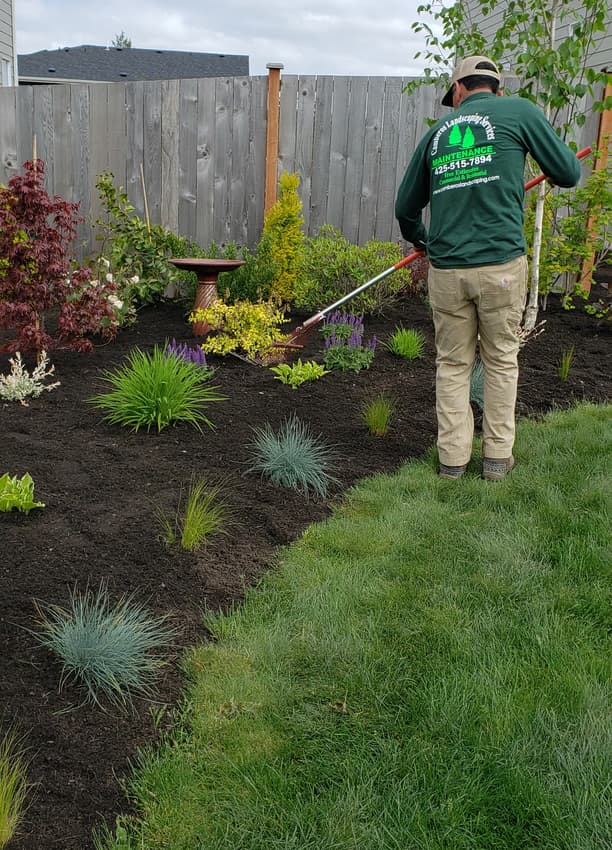
We are not opening these lots to the street. Pruning is about structure, light, and keeping limbs off the house, done so the screen of trees stays. Under that canopy the lawn is the hard part: moss, thin grass, and roots at the surface. Aeration helps the pockets that get some sun. The deep shade wants a different floor — bark, ferns, and the understory that is already trying to grow — not another season of seed that germinates and dies.
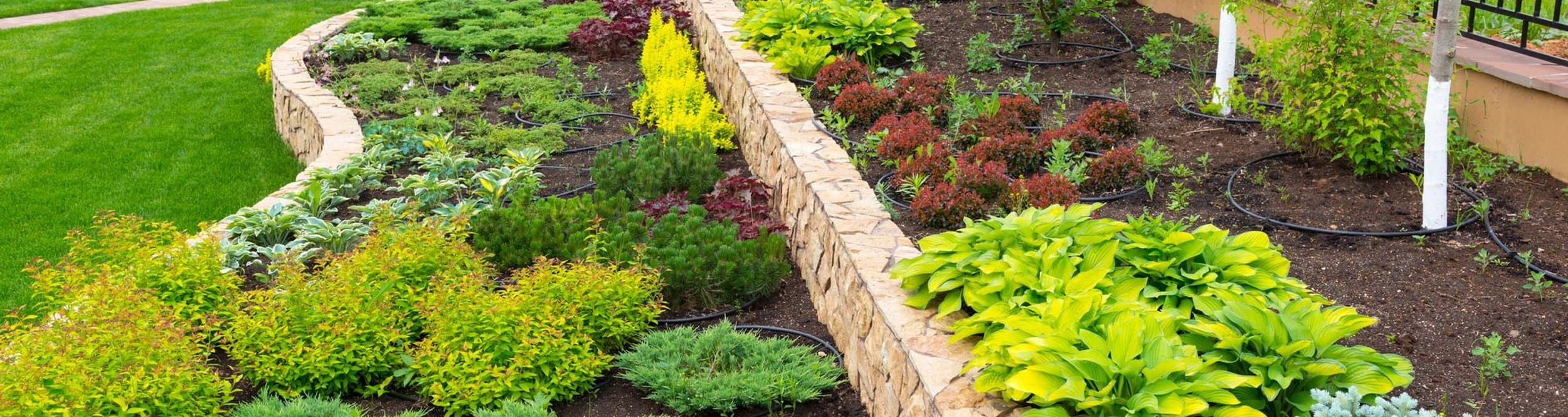
Hardscape, when it belongs, is a terrace or a quiet patio in a clearing, built for wet shade so it does not turn green and slick. Bark on the beds keeps the mud down and the edges readable from the house. The work should look like it was always in the trees, because it is.
How we do the work
We pull cores, we do not poke holes. A spike aerator squeezes the soil tighter around each puncture, which is the opposite of what a Western Washington lawn needs. Cores are about three inches, left on the grass to break apart in the rain. The visit is timed for soil that is moist enough to take the tine and dry enough that the machine does not leave ruts.
If the thatch is thicker than a finger, aerating through it only decorates the moss. Those lawns get dethatched first. Lime is a separate decision. A lot of local soil is sour, and we spread lime when the lawn shows it, not because a calendar said March.
What we look at first
- Thatch depth before we core
- Whether the ground ruts under foot
- Shade from trees that will keep the lawn thin no matter how often we aerate
- Downspouts dumping onto the same corner every winter
Seed in the holes
Aeration without seed is enough when the lawn is thick and you are only relieving compaction. When you can see soil between the plants, we put seed in the openings the same day. Seed on an unaerated moss mat is bird food.
What aeration will not fix
It will not move a downspout, kill a cedar’s shade, or drain a dish in the grade. If the lawn fails in the same circle every winter, we look at water and light before we sell you a third visit.
When we show up
The useful months are April into early June, and again in September. Midsummer cores on a dry lawn shatter and the holes collapse. January cores on saturated ground are ruts. We would rather wait a week than leave you with tracks.
More from this crew
- Lawn aeration across Snohomish County
- Lawn dethatching in Woodway
- Lawn seeding in Woodway
- Lawn fertilization in Woodway
- Lawn mowing in Woodway
- Lawn aeration in Edmonds
- Lawn aeration in Mukilteo
Sources for the climate and the water
- USDA plant hardiness map for choosing plants that can take a Snohomish County winter.
- EPA WaterSense on watering less once a lawn or a new planting is established.
- EPA Soak Up the Rain on keeping roof and yard water from becoming someone else’s problem.