.png&w=3840&q=75)
The Stillaguamish sits on the north edge of town, and a lot of the yards along the valley floor are old river ground: fertile when it drains, and a slick gray clay when it does not. Winter rain piles up against houses that back toward the Centennial Trail and the river parks, and the lawn stays soft long after the street looks dry. Valley yards hold wet leaves in the corners and weeds in the beds that never dried out. The cleanup is haul plus a real edge, or the yard looks the same after the first rain.
Snohomish County · ZIP 98223 · 2020 population 19,847
Wet debris and overgrown beds
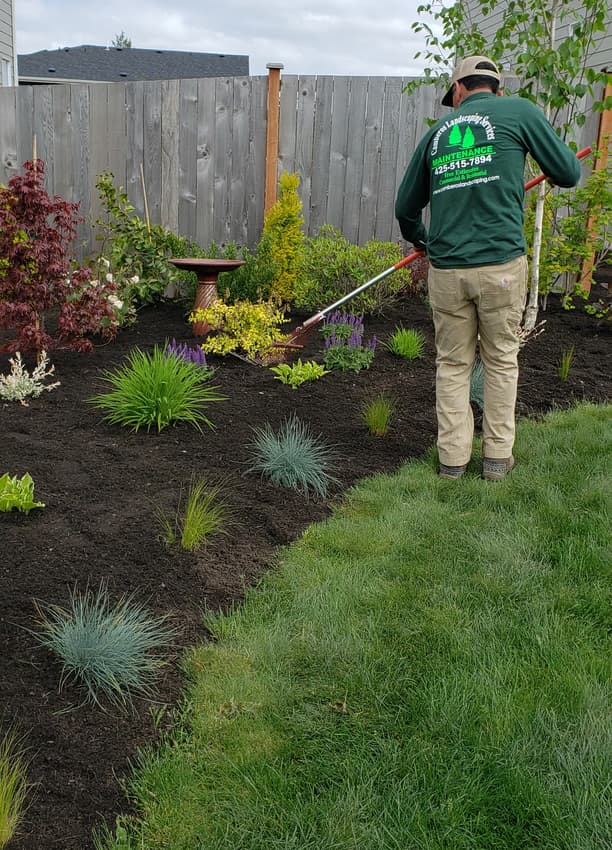
We pull the heavy, soggy piles, cut the obvious overgrowth, and redefine the bed lines so a mower can take it from there. Mud season means we use boards or we wait a day rather than rut the lawn we just cleared.
A fall cleanup before the leaves mat is cheaper than a spring cleanup of a black slick. We will tell you which one you are buying.
The ground in Arlington
Arlington is a valley town, not a hillside suburb. Lots near the farmland and the trail are often open to the west wind and sit on clay that holds water. After a wet week the soil smears under a boot and the moss moves into any thin spot in the grass. Houses closer to the river have a second problem: the ground is low, so a downspout that just dumps at the foundation has nowhere useful to send the water.
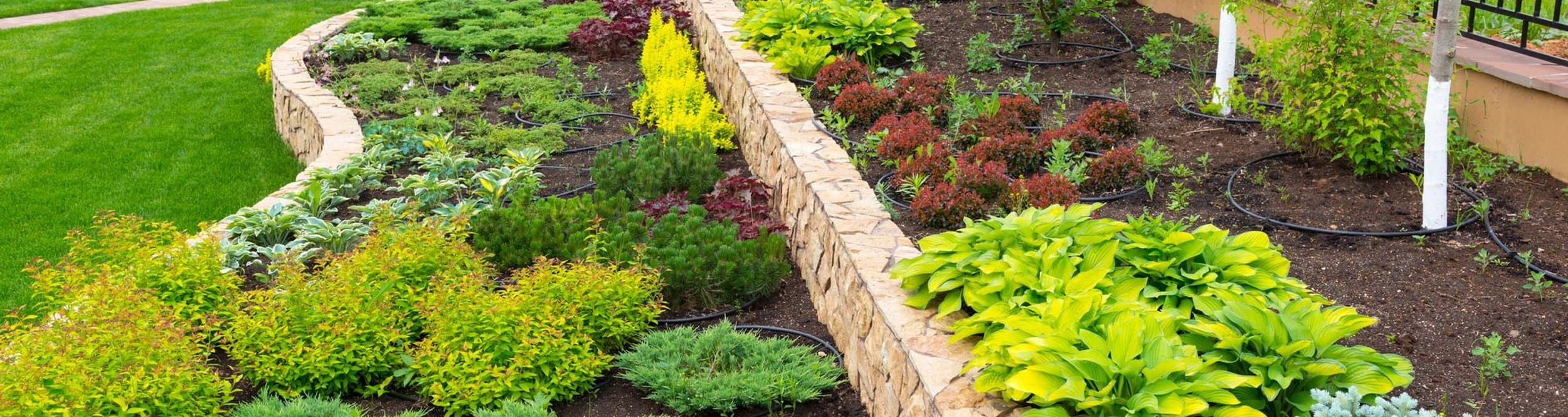
We plan work around that. Drainage goes in before we talk about a patio or a new lawn. Native plantings that actually belong on this floodplain — vine maple, salmonberry, and other understory that can take wet feet — do better than a plant list copied from a drier lot. Gravel paths and low rock work fit the rural edges of town without pretending the soil is something it is not.
How we do the work
A cleanup is debris gone, beds redefined, and the hazards cut. We haul. A pile at the curb that sits for a month is not a finish. Brush, rotten wood, the fallen fence panel, the blackberries that took the side yard: that is the work.
We do not “clean” a yard by blowing leaves into the beds and covering them with a thin coat of bark. If bark is part of the visit, the bed is weeded first. If it is not in the bid, we do not fake it.
The walk-through is the scope. A bigger pile, a surprise blackberry thicket, or a tree that needs a climber changes the day, and we say that before we start rather than after the trailer is full.
What we look at first
- What is actually being hauled
- Blackberries, downed limbs, and junk versus a normal leaf drop
- Access for a trailer
- Whether you want it bare and ready, or just safe and tidy
Blackberries
Cut to the ground and hauled, with the understanding they return from the roots. A cleanup is not eradication. A follow-up, or a dig-out if the patch is small, is how you actually get rid of them. We will say which you bought.
Leaves
Off the lawn, off the beds you care about, off the walks. Into the trailer. A wooded corner can keep its duff. Blowing every leaf out of a natural area is busywork, and we will not pretend it is horticulture.
Ready for the next thing
A good cleanup ends with edges you can mow and beds you could bark. If the next step is renovation, we leave the yard ready for that instead of dressing it with mulch we are about to dig through.
More from this crew
- Yard cleanup across Snohomish County
- Tree and shrub pruning in Arlington
- Beauty bark in Arlington
- Landscaping in Arlington
- Pressure washing in Arlington
- Yard cleanup in Marysville
- Yard cleanup in Granite Falls
- Yard cleanup in Stanwood
Sources for the climate and the water
- USDA plant hardiness map for choosing plants that can take a Snohomish County winter.
- EPA WaterSense on watering less once a lawn or a new planting is established.
- EPA Soak Up the Rain on keeping roof and yard water from becoming someone else’s problem.