The Stillaguamish sits on the north edge of town, and a lot of the yards along the valley floor are old river ground: fertile when it drains, and a slick gray clay when it does not. Winter rain piles up against houses that back toward the Centennial Trail and the river parks, and the lawn stays soft long after the street looks dry. Valley lots often have fruit trees and a wind that finds them. We open the tree so it dries and so the fruit has light. We do not flat-top it.
Snohomish County · ZIP 98223 · 2020 population 19,847
Fruit trees and wind, not a hedge sheared flat
Apples, pears, and the overgrown ornamentals get a real pruning: dead wood out, height taken back to a lateral, center opened. The debris is hauled. A tree that has been topped before gets repaired as much as a bad head can be repaired, and we set that expectation.
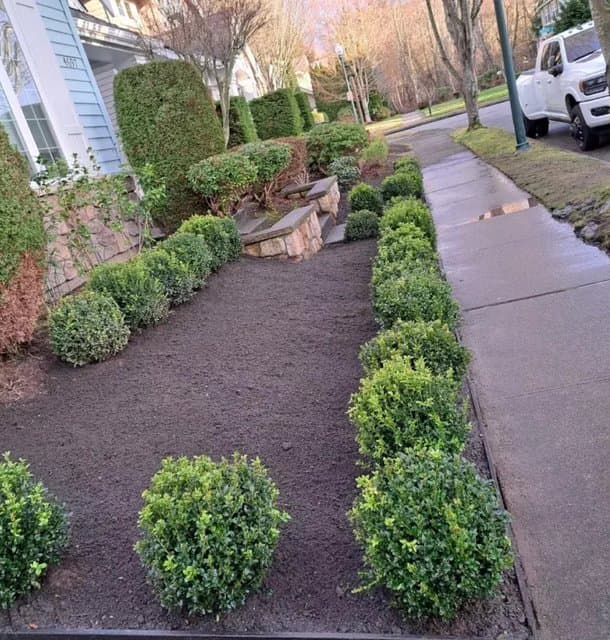
Shrubs in wet beds get thinned so air moves. A solid green ball in a damp bed is leaf-spot weather.
The ground in Arlington
Arlington is a valley town, not a hillside suburb. Lots near the farmland and the trail are often open to the west wind and sit on clay that holds water. After a wet week the soil smears under a boot and the moss moves into any thin spot in the grass. Houses closer to the river have a second problem: the ground is low, so a downspout that just dumps at the foundation has nowhere useful to send the water.
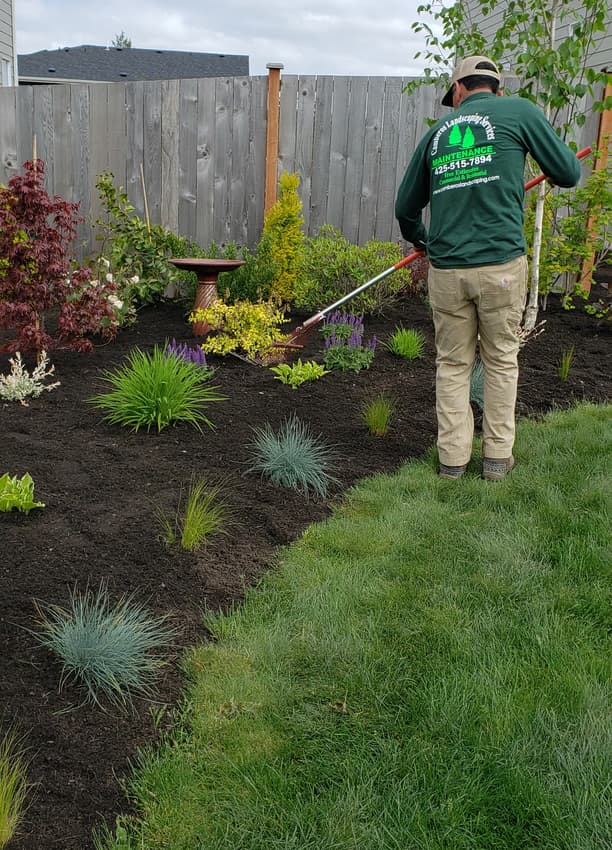
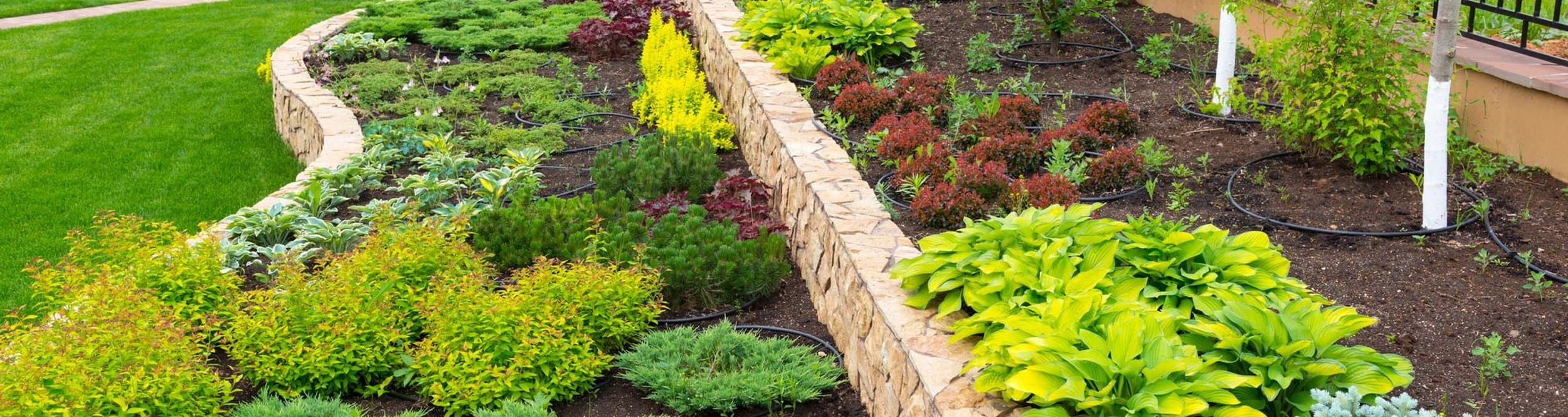
We plan work around that. Drainage goes in before we talk about a patio or a new lawn. Native plantings that actually belong on this floodplain — vine maple, salmonberry, and other understory that can take wet feet — do better than a plant list copied from a drier lot. Gravel paths and low rock work fit the rural edges of town without pretending the soil is something it is not.
How we do the work
We thin, we raise, and we take out dead wood. We do not top a tree. Topping makes a bigger, weaker tree and a yearly invoice. If a tree is the wrong tree for the spot, the honest options are prune it correctly or remove it, and we will say which.
Shrubs get pruned at the right time for the plant. A spring-flowering shrub cut to balls in March is a shrub with no flowers. Hedges that are meant to be hedges get sheared. Everything else gets pruned back to a bud or a branch, not buzzed into a cube.
What we look at first
- Dead, crossing, and broken wood
- Clearance over the roof, the walk, and the drive
- Whether the tree is too close to the house to ever be right
- What the shrub is, so we do not cut off the flower buds
We do not top
Topping a fir or a maple makes sprouts that are weakly attached and a tree that is taller again in a few years, uglier the whole time. If you want it shorter than pruning can honestly make it, removal is the sentence. We will help you say it.
What we will not climb
A tree we cannot tie into safely, a tree into the power lines, a huge removal over a glass house. We would rather walk away than do a dangerous job from the wrong ladder. We will tell you who the job is for.
When we cut
Deadwood anytime. Spring bloomers after they flower. Fruit trees in the dormant season. Hedges when they are growing so they can heal the shear. A single “prune everything in March” visit is how flowering shrubs get ruined.
More from this crew
- Tree and shrub pruning across Snohomish County
- Yard cleanup in Arlington
- Landscaping in Arlington
- Beauty bark in Arlington
- Landscape design in Arlington
- Tree and shrub pruning in Marysville
- Tree and shrub pruning in Granite Falls
- Tree and shrub pruning in Stanwood
Sources for the climate and the water
- USDA plant hardiness map for choosing plants that can take a Snohomish County winter.
- EPA WaterSense on watering less once a lawn or a new planting is established.
- EPA Soak Up the Rain on keeping roof and yard water from becoming someone else’s problem.