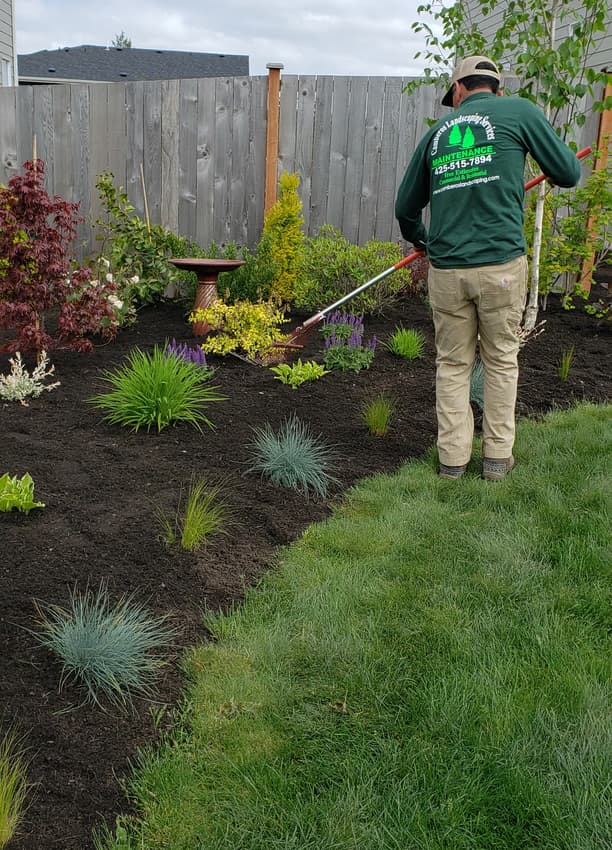
The Stillaguamish sits on the north edge of town, and a lot of the yards along the valley floor are old river ground: fertile when it drains, and a slick gray clay when it does not. Winter rain piles up against houses that back toward the Centennial Trail and the river parks, and the lawn stays soft long after the street looks dry. Clay that stays wet grows moss faster than grass. Raking the moss without opening the soil means it is back by the next winter.
Snohomish County · ZIP 98223 · 2020 population 19,847
Moss on clay
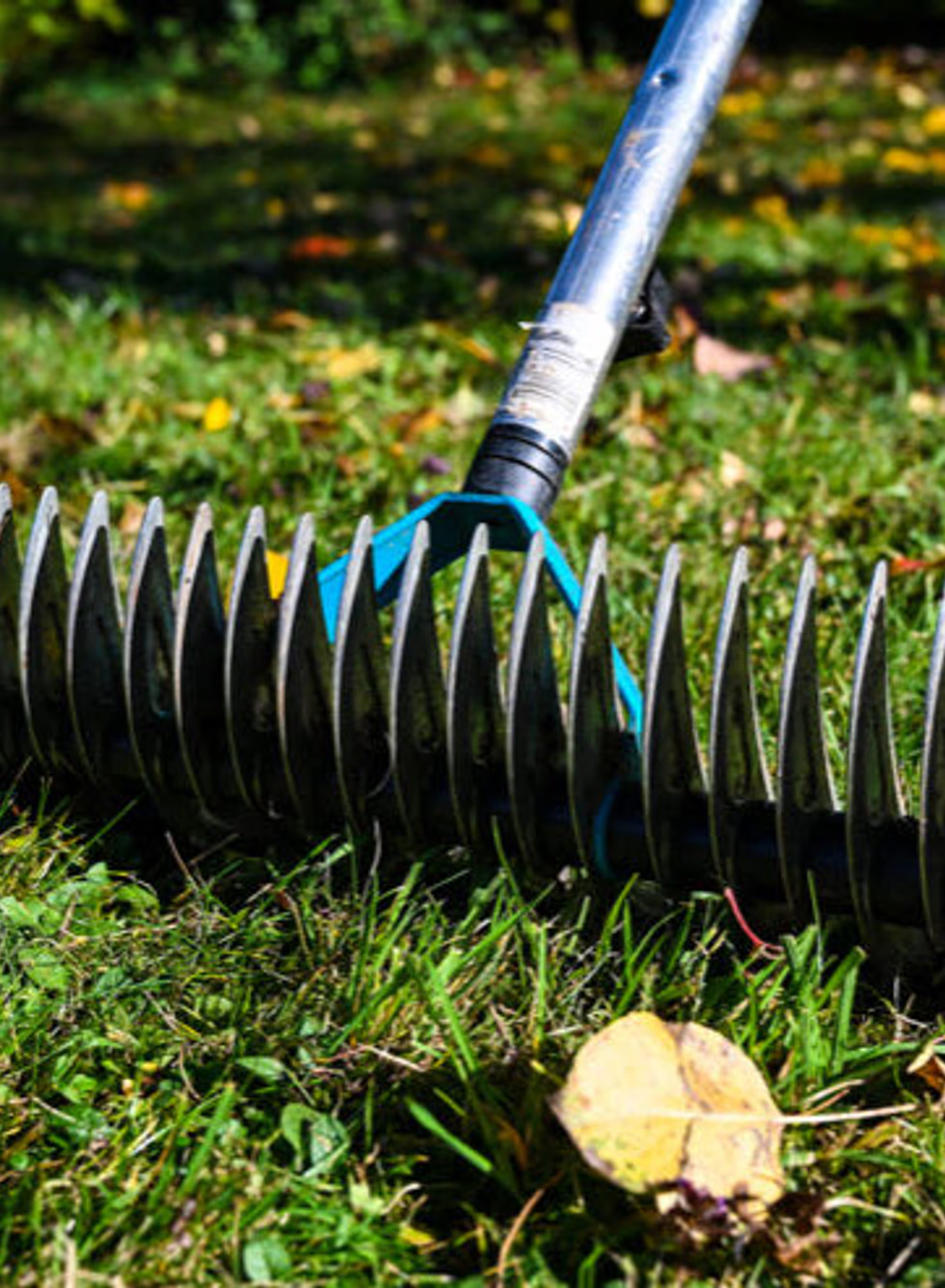
On valley lawns the mat is green on top and black underneath. We power-rake when the lawn is moist, not soaked, so the machine lifts moss instead of smearing it. The clay underneath often has not seen light in years.
Dethatching alone is a bald lawn on wet ground. We follow with cores if the soil is tight, and seed only where there is enough sun to keep the new grass ahead of the moss. A shady corner that grows only moss gets bark or a bed, not another season of the same fight.
The ground in Arlington
Arlington is a valley town, not a hillside suburb. Lots near the farmland and the trail are often open to the west wind and sit on clay that holds water. After a wet week the soil smears under a boot and the moss moves into any thin spot in the grass. Houses closer to the river have a second problem: the ground is low, so a downspout that just dumps at the foundation has nowhere useful to send the water.
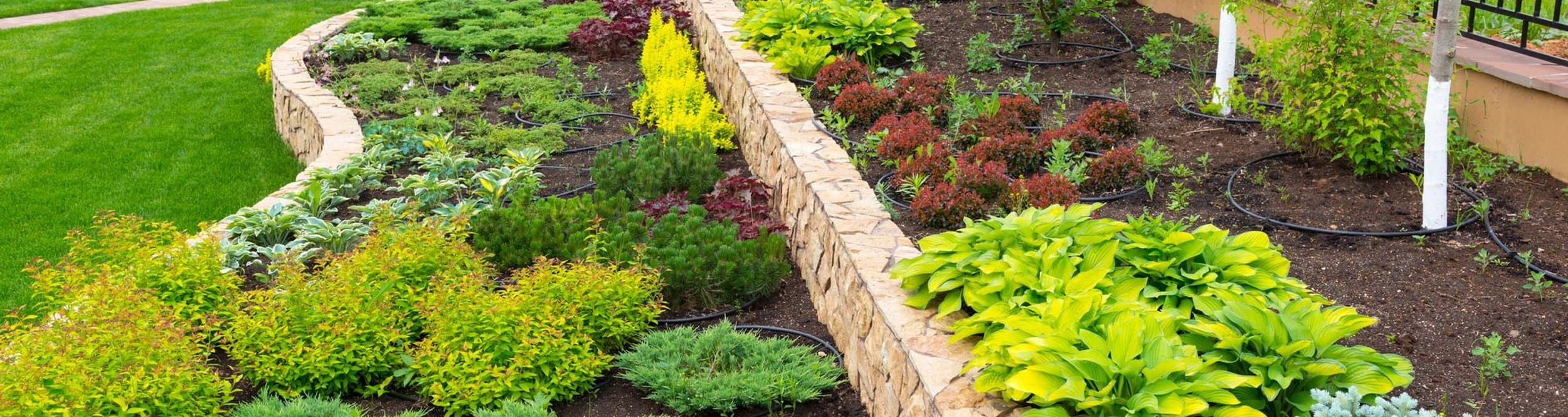
We plan work around that. Drainage goes in before we talk about a patio or a new lawn. Native plantings that actually belong on this floodplain — vine maple, salmonberry, and other understory that can take wet feet — do better than a plant list copied from a drier lot. Gravel paths and low rock work fit the rural edges of town without pretending the soil is something it is not.
How we do the work
Thatch here is usually moss plus a layer of dead stems, not the classic Midwest straw mat. A power rake set too deep tears out the live grass and leaves a scar. We set the blades to lift the mat and stop when we are in soil.
The debris has to leave the property. A thatch layer raked into the bed or left in windrows just moves the problem. We haul it. If the lawn underneath is mostly dirt and shade, dethatching is the start of a different plan, not a greener lawn by itself.
What we look at first
- How thick the moss mat is
- Whether live grass is under it or the mat is the whole lawn
- Irrigation and mowing height that are growing the thatch back
- A place to stage the trailer so we are not blocking a tight drive
Hauling is part of the job
A dethatched lawn produces a surprising pile, wet and heavy. We load and remove it. Spreading it in the beds plants the moss and the weed seed you just paid to lift.
How deep we go
Shallow enough to save the crowns of the grass. If the lawn is thin, a second light pass beats one aggressive pass that pulls the plants out by the roots. You should see soil in places and live grass still standing.
Pairing it with aeration
On clay and fill we dethatch and then core, in that order. Cores through a mat waste the tines. Seed goes into the opened ground the same day when the season allows.
More from this crew
- Lawn dethatching across Snohomish County
- Lawn aeration in Arlington
- Lawn seeding in Arlington
- Lawn mowing in Arlington
- Lawn fertilization in Arlington
- Lawn dethatching in Marysville
- Lawn dethatching in Granite Falls
- Lawn dethatching in Stanwood
Sources for the climate and the water
- USDA plant hardiness map for choosing plants that can take a Snohomish County winter.
- EPA WaterSense on watering less once a lawn or a new planting is established.
- EPA Soak Up the Rain on keeping roof and yard water from becoming someone else’s problem.