The Stillaguamish sits on the north edge of town, and a lot of the yards along the valley floor are old river ground: fertile when it drains, and a slick gray clay when it does not. Winter rain piles up against houses that back toward the Centennial Trail and the river parks, and the lawn stays soft long after the street looks dry. A mower on wet valley clay leaves ruts that last until summer. Those ruts hold water and become the next moss line.
Snohomish County · ZIP 98223 · 2020 population 19,847
Stay off the clay when it is soup
We test the lawn with a boot. If we are leaving a print that fills, we do not mow that pass. A skipped week is cheaper than repairing ruts. When we do mow, the deck is up. Scalping clay lawns in March is how you see soil and moss by April.
Edges along beds get trimmed, not dug. A string trimmer that belts the same spot every week makes a dirt channel that runs water. We keep the edge, we do not excavate it.
The ground in Arlington
Arlington is a valley town, not a hillside suburb. Lots near the farmland and the trail are often open to the west wind and sit on clay that holds water. After a wet week the soil smears under a boot and the moss moves into any thin spot in the grass. Houses closer to the river have a second problem: the ground is low, so a downspout that just dumps at the foundation has nowhere useful to send the water.
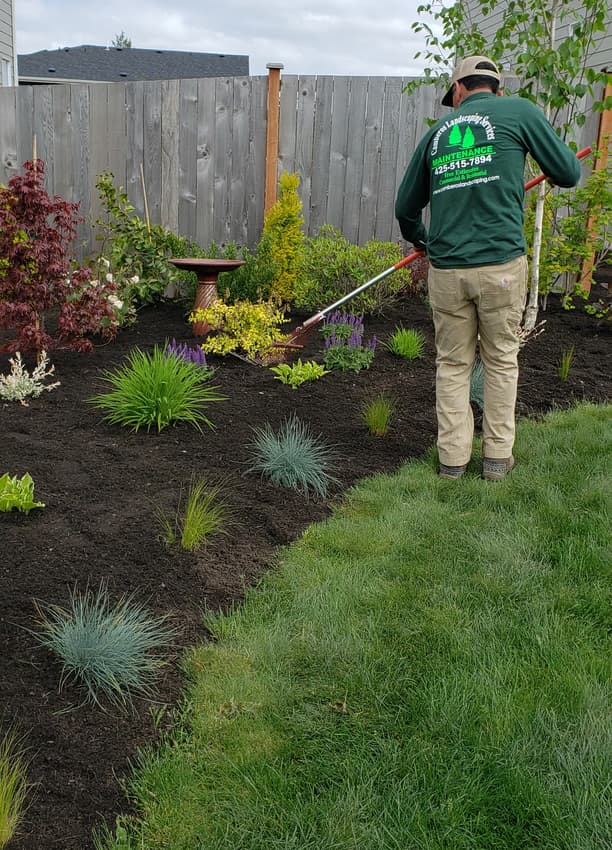
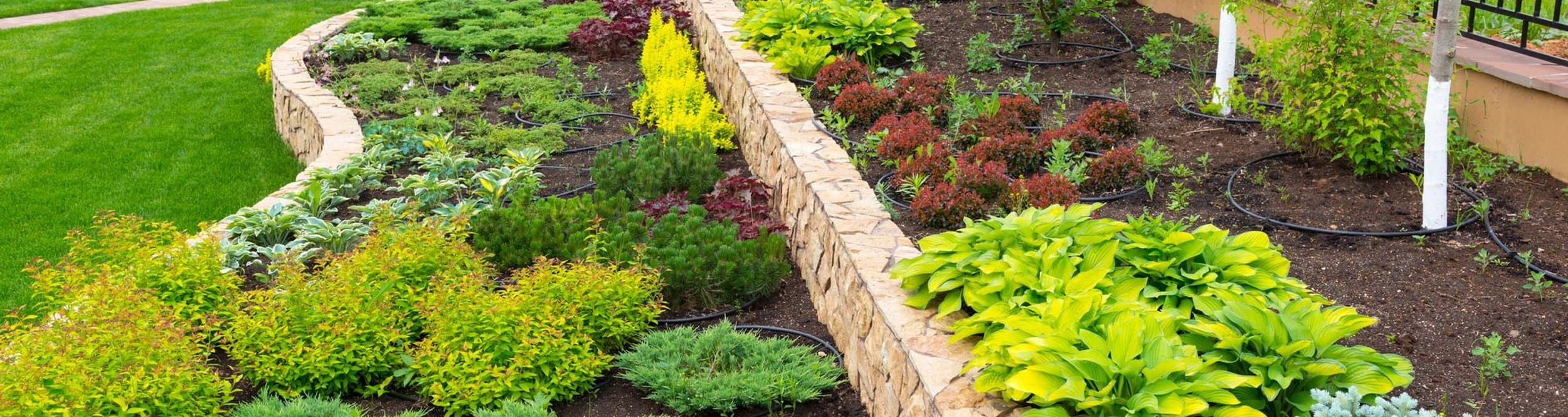
We plan work around that. Drainage goes in before we talk about a patio or a new lawn. Native plantings that actually belong on this floodplain — vine maple, salmonberry, and other understory that can take wet feet — do better than a plant list copied from a drier lot. Gravel paths and low rock work fit the rural edges of town without pretending the soil is something it is not.
How we do the work
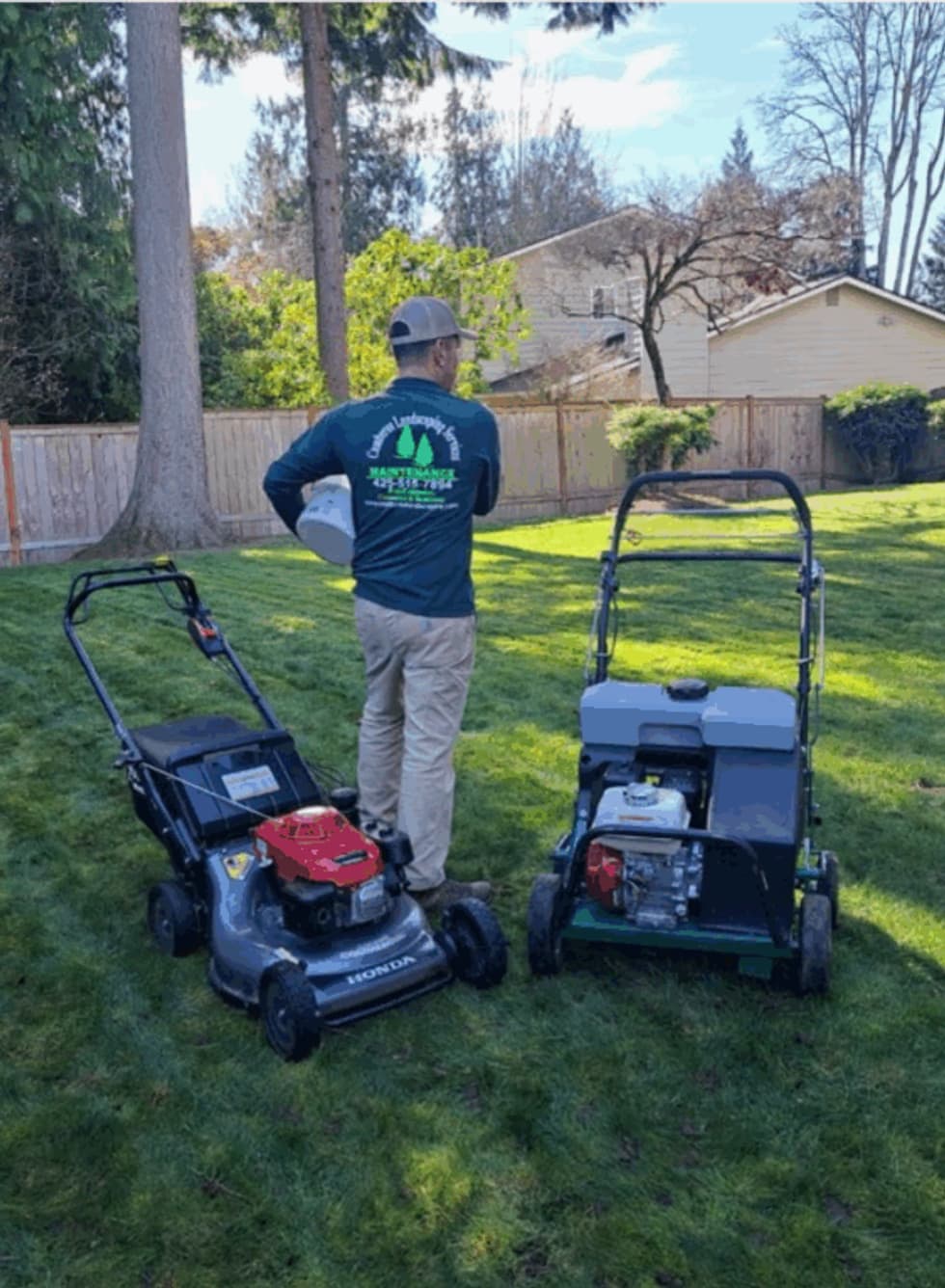
We mow higher than most people expect, especially from October through May, because a short lawn in this climate is a moss invitation. Blades stay sharp. Dull mowing tears wet grass and leaves the gray tips everyone blames on fertilizer.
Clippings stay on the lawn when they are short. They are not thatch. Bags come out when the grass is long and wet and would clump. We do not mow a saturated yard into ruts and call it service. We skip or we reschedule that corner.
Edges are trimmed. Walks are blown. A mow that leaves a windrow on the sidewalk is not finished.
What we look at first
- How soft the ground is that morning
- Obstacles, toys, and the wet spot we should walk around
- Edges that need a trimmer without scalping the tree wells
- Whether the lawn wants a higher set this month
Clippings
Short clippings stay. They feed the lawn. Long wet clumps get removed because they smother and they track into the house. Bagging every light mow just to have a empty look is how the lawn gets hungry.
Edges
Trimmer lines along walks and beds, kept vertical. We do not trench the edge a little deeper every visit. When the bed line is lost, that is an edging job with a blade, once, not a weekly excavation.
What weekly means here
In the surge of spring, weekly. In a dry August, often every other week. In a soaked January, sometimes not at all. A rigid calendar ruts wet lawns and scalps dormant ones. We mow when the grass is growing and the ground can take the machine.
More from this crew
- Lawn mowing across Snohomish County
- Lawn aeration in Arlington
- Lawn fertilization in Arlington
- Lawn weed control in Arlington
- Yard cleanup in Arlington
- Lawn mowing in Marysville
- Lawn mowing in Granite Falls
- Lawn mowing in Stanwood
Sources for the climate and the water
- USDA plant hardiness map for choosing plants that can take a Snohomish County winter.
- EPA WaterSense on watering less once a lawn or a new planting is established.
- EPA Soak Up the Rain on keeping roof and yard water from becoming someone else’s problem.