The Stillaguamish sits on the north edge of town, and a lot of the yards along the valley floor are old river ground: fertile when it drains, and a slick gray clay when it does not. Winter rain piles up against houses that back toward the Centennial Trail and the river parks, and the lawn stays soft long after the street looks dry. Rolls laid on slick clay root into the seam and stop. The lawn looks perfect for a month and then browns in plates.
Snohomish County · ZIP 98223 · 2020 population 19,847
Sod on clay needs a base, not hope
We break the clay, add compost, and rake a bed the roots can enter. Low spots get filled or drained before a single roll comes off the truck. A pretty grade that holds a puddle is the wrong grade.
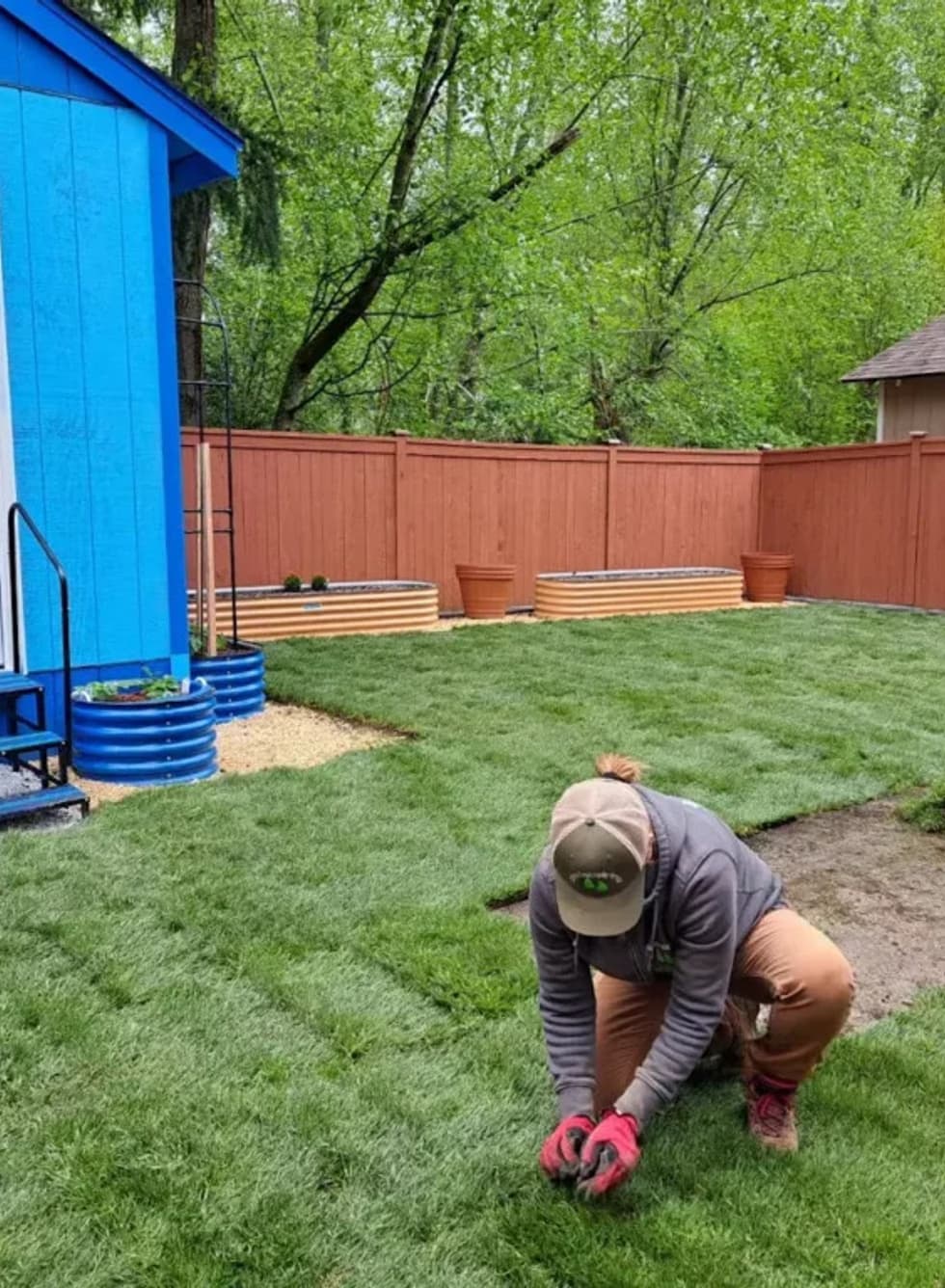
Seams are tight and staggered, and the edges against beds are cut, not left as flaps. You water enough that the sod does not shrink apart, and you stay off it. We come back if a seam opens because we laid it loose. We do not come back to replace sod that was used as a path on day three.
The ground in Arlington
Arlington is a valley town, not a hillside suburb. Lots near the farmland and the trail are often open to the west wind and sit on clay that holds water. After a wet week the soil smears under a boot and the moss moves into any thin spot in the grass. Houses closer to the river have a second problem: the ground is low, so a downspout that just dumps at the foundation has nowhere useful to send the water.
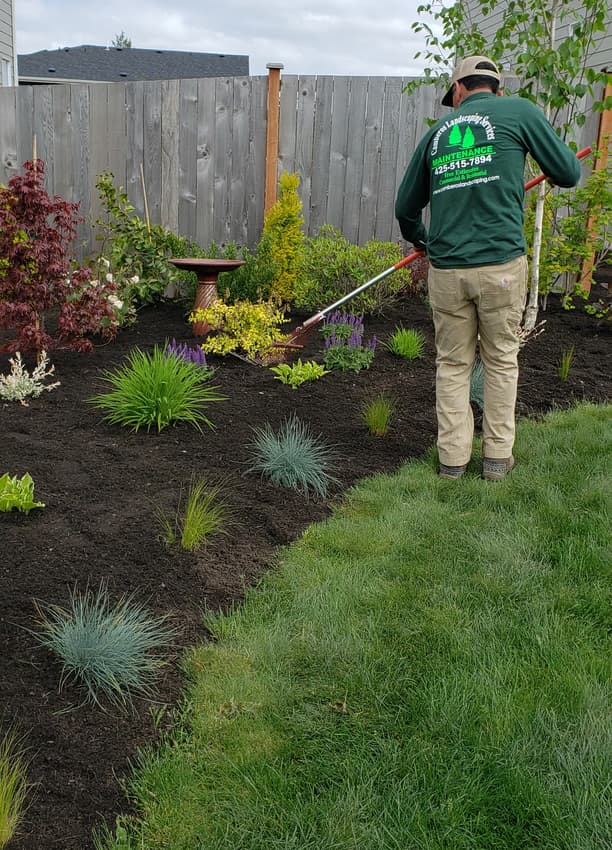
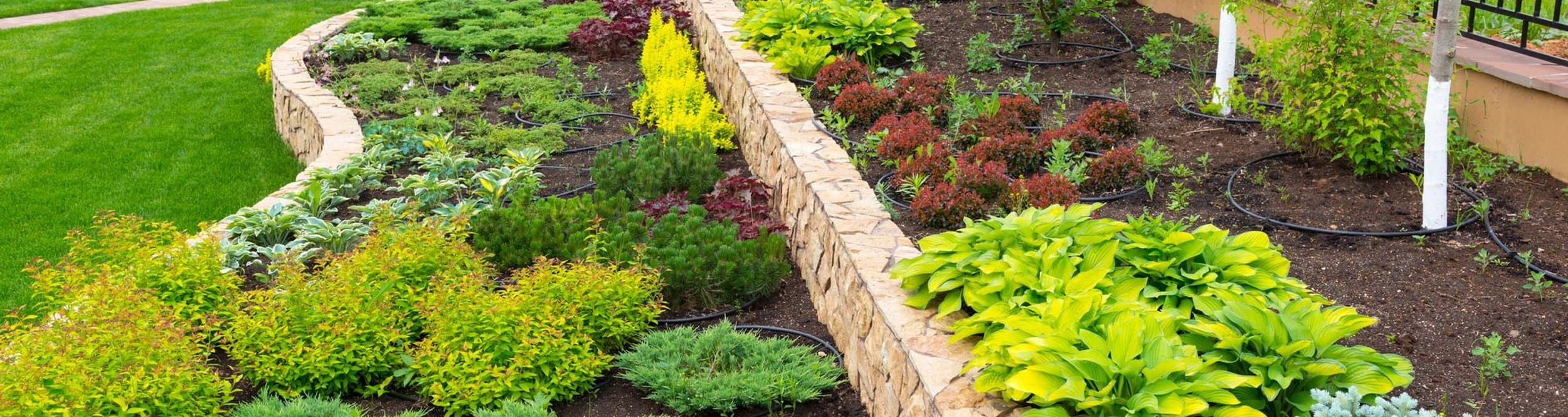
We plan work around that. Drainage goes in before we talk about a patio or a new lawn. Native plantings that actually belong on this floodplain — vine maple, salmonberry, and other understory that can take wet feet — do better than a plant list copied from a drier lot. Gravel paths and low rock work fit the rural edges of town without pretending the soil is something it is not.
How we do the work
Sod is instant cover and a slow root. It dies when it is laid on compacted clay, on a moss mat, or in a low spot that stays wet. We strip or till, we fix the grade so water leaves, and we lay tight seams on soil that has been loosened a few inches down.
The first two weeks are water and no traffic. After that we want roots chasing soil, which means less frequent watering. A sod lawn that is sprinkled every day forever is a sod lawn that peels up in August.
We lay what arrives that day. Sod that sits on the pallet through a warm afternoon cooks in the roll, and we will not install it.
What we look at first
- What is under the old lawn
- Grade and where the roof water goes
- Access for the pallets
- Sun, because sod in deep shade is an expensive way to grow moss
The first two weeks
Water enough that you cannot peel a corner up by the end of week two. Stay off it. Mow the first time at three inches once it resists a tug. Then ease the water back so the roots leave the roll.
What is under the roll
A few inches of loosened soil and compost, graded to leave the house. Not the old lawn. Not landscape fabric. Not a sand bed that turns into a pan. If we cannot prep, we should not lay sod.
Seams and edges
Tight, staggered, no overlap. Edges tucked against beds so the mower does not scalpel a flap. We cut curves with a knife, not by stretching a roll around a corner until it tears.
More from this crew
- Sod installation across Snohomish County
- Lawn seeding in Arlington
- Lawn aeration in Arlington
- Landscaping in Arlington
- Lawn fertilization in Arlington
- Sod installation in Marysville
- Sod installation in Granite Falls
- Sod installation in Stanwood
Sources for the climate and the water
- USDA plant hardiness map for choosing plants that can take a Snohomish County winter.
- EPA WaterSense on watering less once a lawn or a new planting is established.
- EPA Soak Up the Rain on keeping roof and yard water from becoming someone else’s problem.