The Stillaguamish sits on the north edge of town, and a lot of the yards along the valley floor are old river ground: fertile when it drains, and a slick gray clay when it does not. Winter rain piles up against houses that back toward the Centennial Trail and the river parks, and the lawn stays soft long after the street looks dry. A valley lot design that starts with plants starts wrong. The clay and the flat grade decide where the lawn, the patio, and the beds can be.
Snohomish County · ZIP 98223 · 2020 population 19,847
Design the water first
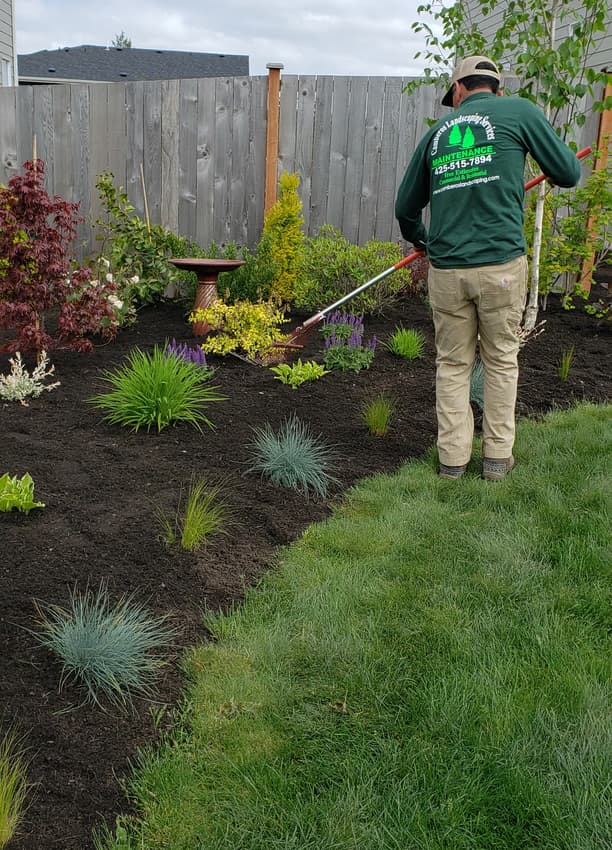
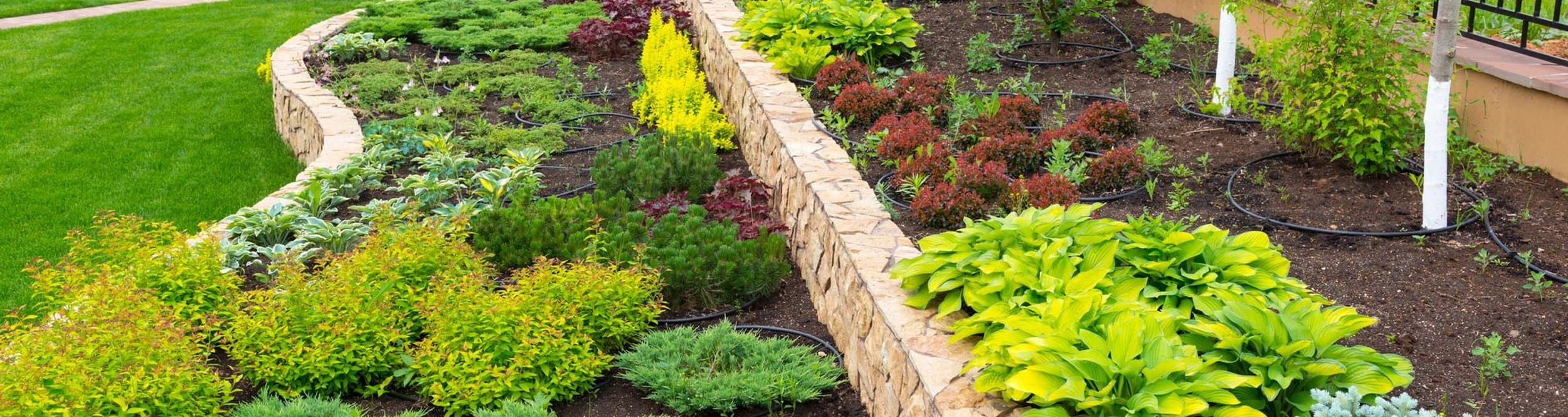
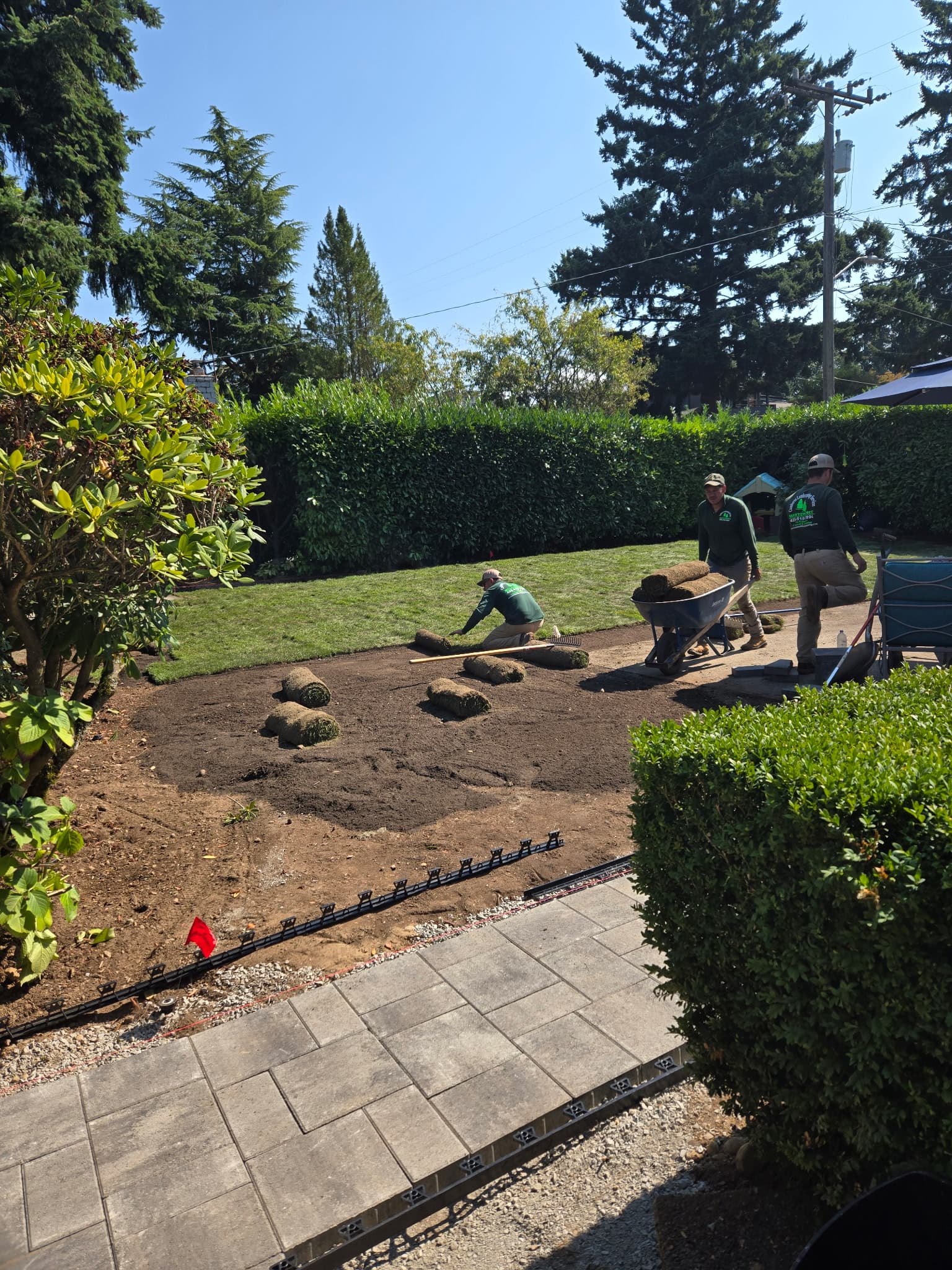
We draw the drains and the pitch, then the floor you walk on, then the plants that can take wet feet where it will still be wet. Raised beds are a design tool here, not a decoration. A lawn in the low corner is a choice to own moss, and we will mark it that way.
The plan should still look like the valley: open, a little rural where the lot is rural, not a walled courtyard copied from a drier city.
The ground in Arlington
Arlington is a valley town, not a hillside suburb. Lots near the farmland and the trail are often open to the west wind and sit on clay that holds water. After a wet week the soil smears under a boot and the moss moves into any thin spot in the grass. Houses closer to the river have a second problem: the ground is low, so a downspout that just dumps at the foundation has nowhere useful to send the water.
We plan work around that. Drainage goes in before we talk about a patio or a new lawn. Native plantings that actually belong on this floodplain — vine maple, salmonberry, and other understory that can take wet feet — do better than a plant list copied from a drier lot. Gravel paths and low rock work fit the rural edges of town without pretending the soil is something it is not.
How we do the work
Design starts on the lot, not on a template. We look at the doors, the wet spots, the trees worth keeping, and the part of the yard you never use. The drawing, if you want one, comes after that. A plan that ignores January water is a picture.
We design what this crew can build: grade, drainage, patios, walls, planting that belongs in Snohomish County. We do not hand you a tropical planting plan and a hope. You can hire us to design only, or to design and build. The fee is clearer when those are separate.
What we look at first
- How you want to use the yard, in plain language
- The wet spots and the slopes
- Trees and structures that stay
- A budget range, so the plan is not a fantasy
Design without the build
You can take the plan elsewhere. We would rather build it, and the plan will say the details we know matter: base depth, drain outlets, plant sizes. A vague plan is hard for anyone to bid. We try not to write those.
Plants
Chosen for this rain, this soil, and the light on that side of the house. Natives where they do the job, ordinary tough shrubs where you want something you can buy again. We do not specify a plant we cannot get or cannot keep alive here.
Budget
Tell us the range. We design inside it, or we design a first phase that stands alone. A plan that costs four times what you will spend is a hobby. Phasing is drainage and structure first, plants after.
More from this crew
- Landscape design across Snohomish County
- Landscaping in Arlington
- Patio installation in Arlington
- Hardscaping in Arlington
- Beauty bark in Arlington
- Landscape design in Marysville
- Landscape design in Granite Falls
- Landscape design in Stanwood
Sources for the climate and the water
- USDA plant hardiness map for choosing plants that can take a Snohomish County winter.
- EPA WaterSense on watering less once a lawn or a new planting is established.
- EPA Soak Up the Rain on keeping roof and yard water from becoming someone else’s problem.