The Stillaguamish sits on the north edge of town, and a lot of the yards along the valley floor are old river ground: fertile when it drains, and a slick gray clay when it does not. Winter rain piles up against houses that back toward the Centennial Trail and the river parks, and the lawn stays soft long after the street looks dry. Creeping buttercup is a drainage weed. Killing the top and leaving the wet spot means it is back from the runners.
Snohomish County · ZIP 98223 · 2020 population 19,847
Buttercup likes the clay
We treat the lawn weeds we can treat, and we point at the corner that stays wet. That corner needs a drain, a raise, or a bed. Spray alone turns it yellow for a month.
Clover in clay is often a thin lawn, not a scandal. If you want it gone we can spot-treat and seed. If the lawn is half clover because the soil is tired, seed and lime do more than a blanket herbicide.
The ground in Arlington
Arlington is a valley town, not a hillside suburb. Lots near the farmland and the trail are often open to the west wind and sit on clay that holds water. After a wet week the soil smears under a boot and the moss moves into any thin spot in the grass. Houses closer to the river have a second problem: the ground is low, so a downspout that just dumps at the foundation has nowhere useful to send the water.
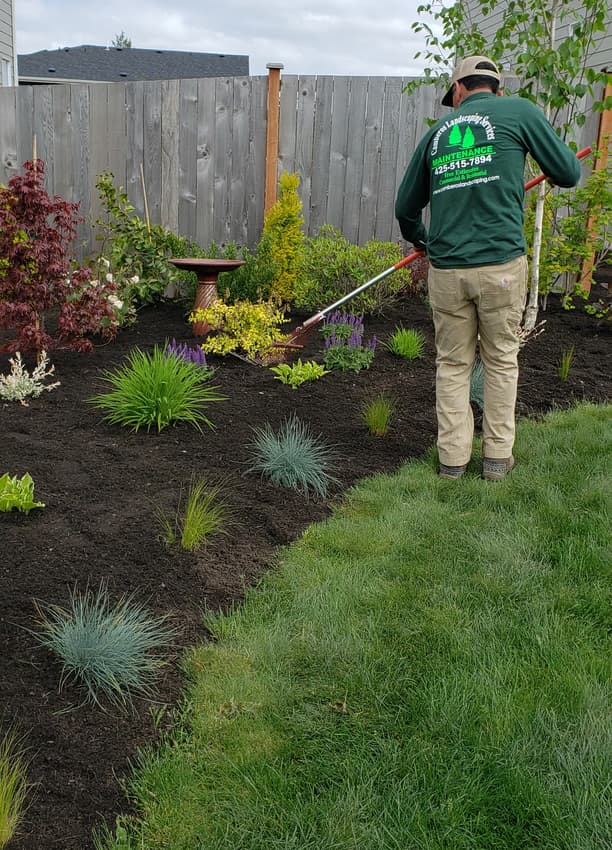
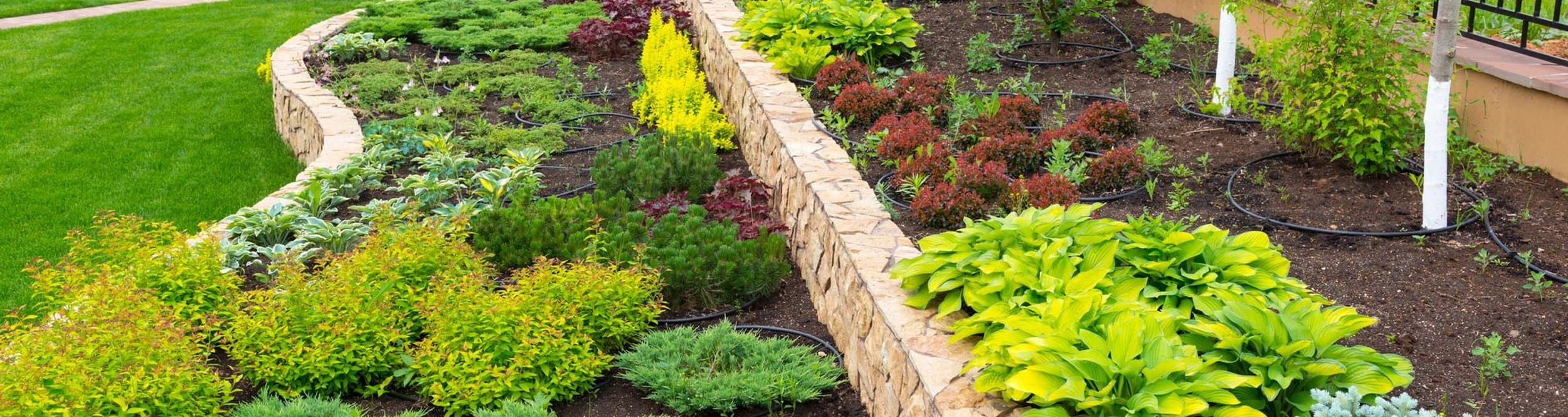
We plan work around that. Drainage goes in before we talk about a patio or a new lawn. Native plantings that actually belong on this floodplain — vine maple, salmonberry, and other understory that can take wet feet — do better than a plant list copied from a drier lot. Gravel paths and low rock work fit the rural edges of town without pretending the soil is something it is not.
How we do the work
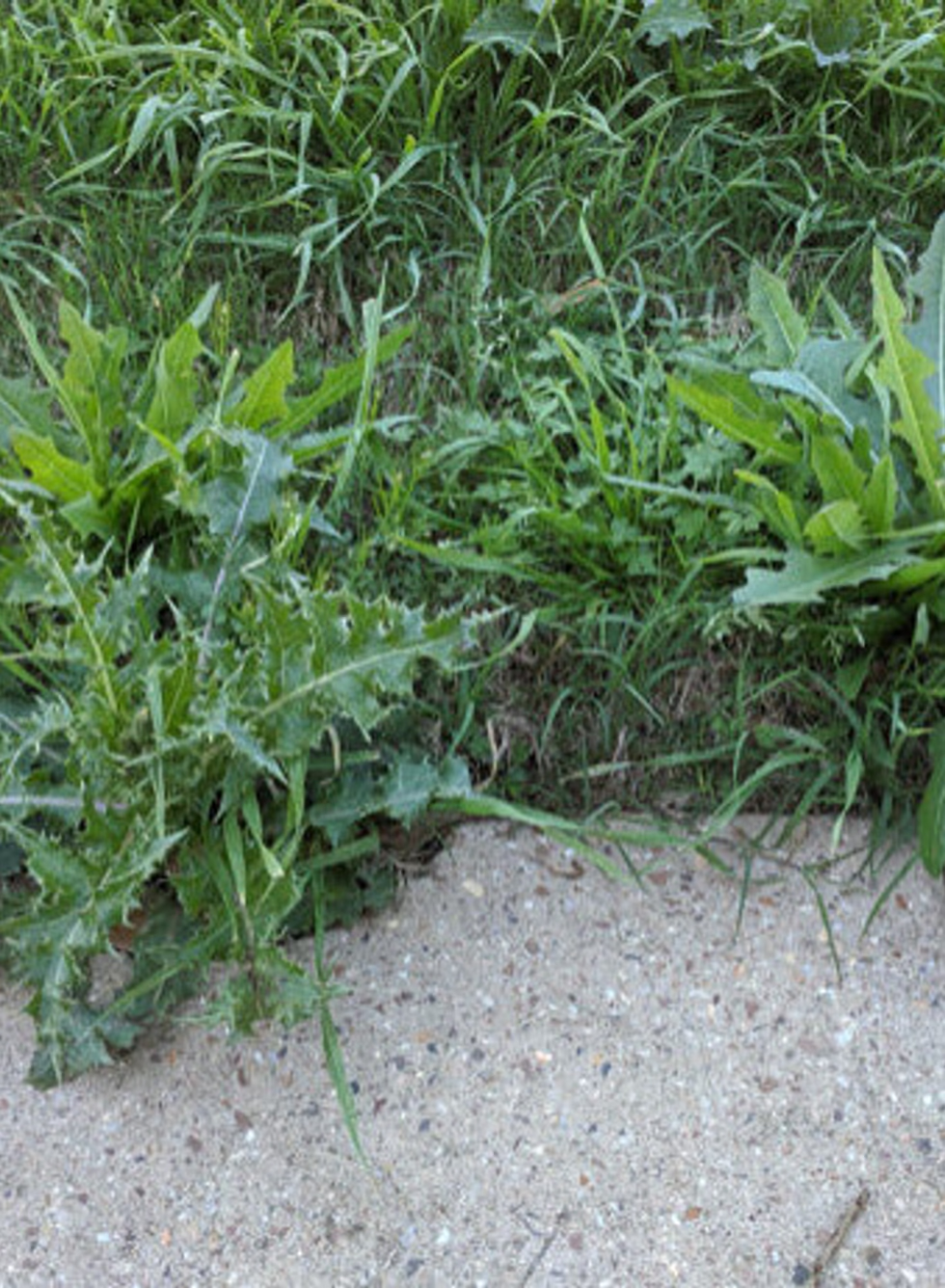
Buttercup, dandelion, and clover in a lawn usually mean the grass is thin, the soil is wet or sour, or the mowing is too short. Spray on a lawn that is mostly weed is a brown yard. We thicken the grass and treat the weeds that are actually invaders, and we tell you when the lawn should be renovated instead.
In beds, the honest tools are a thick bark layer, a pulled root, and a edge that the field cannot cross. Pre-emergent has a place on gravel and on open soil. It is not a substitute for three inches of bark in a bed that was never mulched.
What we look at first
- Which weed it is, because buttercup and horsetail are not the same job
- How much of the lawn is still grass
- Wet spots that will regrow the weed no matter what we spray
- Beds versus turf, so we are not putting a lawn product in a shrub bed
Horsetail and buttercup
Both point at water. Horsetail especially will laugh at a single spray. We can suppress it and we will tell you it returns if the seep stays. Drainage is the actual fix. We do not sell a secret jug for it.
Spot treat, do not fog
A targeted application on the weeds you can name beats a broadcast that yellows the grass and still misses the roots in a wet spot. We would rather make a second short visit than burn a lawn to get the dandelions.
Bare spots need seed
A dead weed is a hole. In a lawn, that hole is the next weed unless grass fills it. We seed the opening when the product label and the season allow, or we come back and seed. Leaving dirt is not a finished visit.
More from this crew
- Lawn weed control across Snohomish County
- Lawn fertilization in Arlington
- Lawn aeration in Arlington
- Beauty bark in Arlington
- Lawn mowing in Arlington
- Lawn weed control in Marysville
- Lawn weed control in Granite Falls
- Lawn weed control in Stanwood
Sources for the climate and the water
- USDA plant hardiness map for choosing plants that can take a Snohomish County winter.
- EPA WaterSense on watering less once a lawn or a new planting is established.
- EPA Soak Up the Rain on keeping roof and yard water from becoming someone else’s problem.