The Stillaguamish sits on the north edge of town, and a lot of the yards along the valley floor are old river ground: fertile when it drains, and a slick gray clay when it does not. Winter rain piles up against houses that back toward the Centennial Trail and the river parks, and the lawn stays soft long after the street looks dry. Clay pumps up into a thin base and the pavers settle in dishes. We dig the clay out and replace it with compacted rock, and we give the water a way off the surface.
Snohomish County · ZIP 98223 · 2020 population 19,847
A deep base on clay
Flat valley yards are where a patio becomes a pond if the pitch is timid. We set the fall so water leaves, and if the yard is too flat to fall to, we add a drain at the low edge rather than pitching the water at the siding.
Edges get a real restraint spiked into the base, not a row of soldier pavers hoping for the best. In clay, an unrestrained edge creeps every winter.
The ground in Arlington
Arlington is a valley town, not a hillside suburb. Lots near the farmland and the trail are often open to the west wind and sit on clay that holds water. After a wet week the soil smears under a boot and the moss moves into any thin spot in the grass. Houses closer to the river have a second problem: the ground is low, so a downspout that just dumps at the foundation has nowhere useful to send the water.
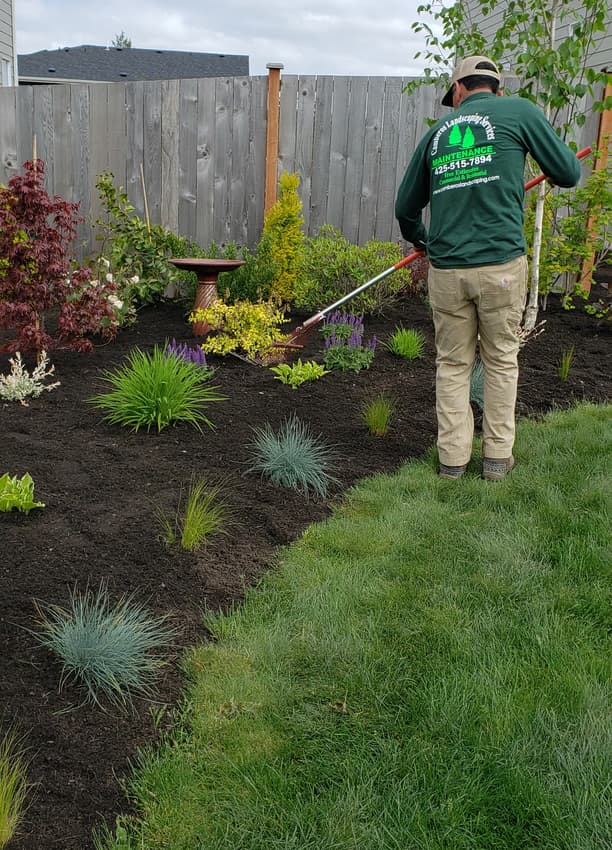
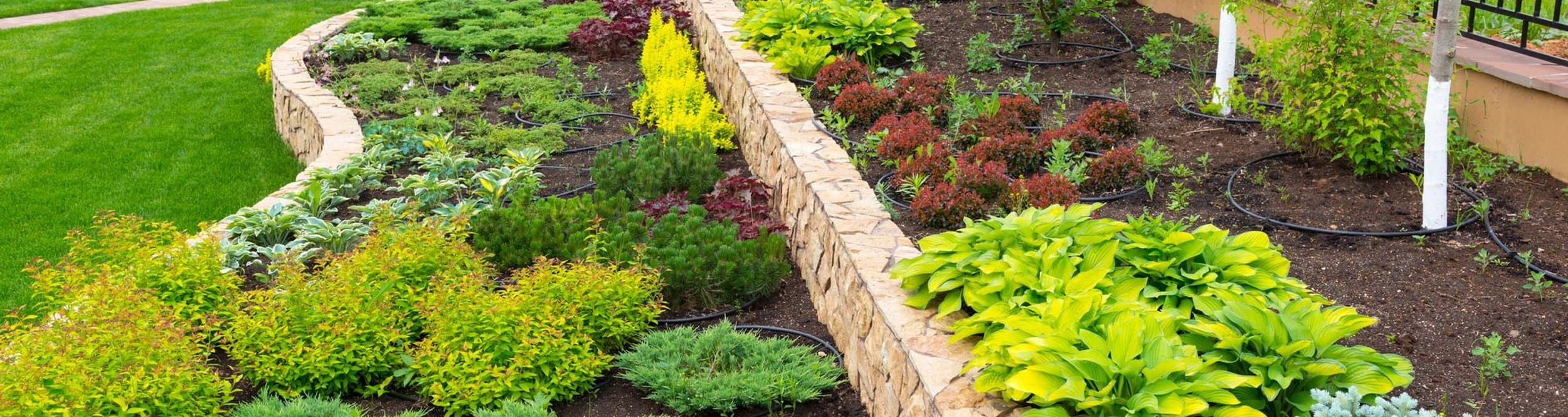
We plan work around that. Drainage goes in before we talk about a patio or a new lawn. Native plantings that actually belong on this floodplain — vine maple, salmonberry, and other understory that can take wet feet — do better than a plant list copied from a drier lot. Gravel paths and low rock work fit the rural edges of town without pretending the soil is something it is not.
How we do the work
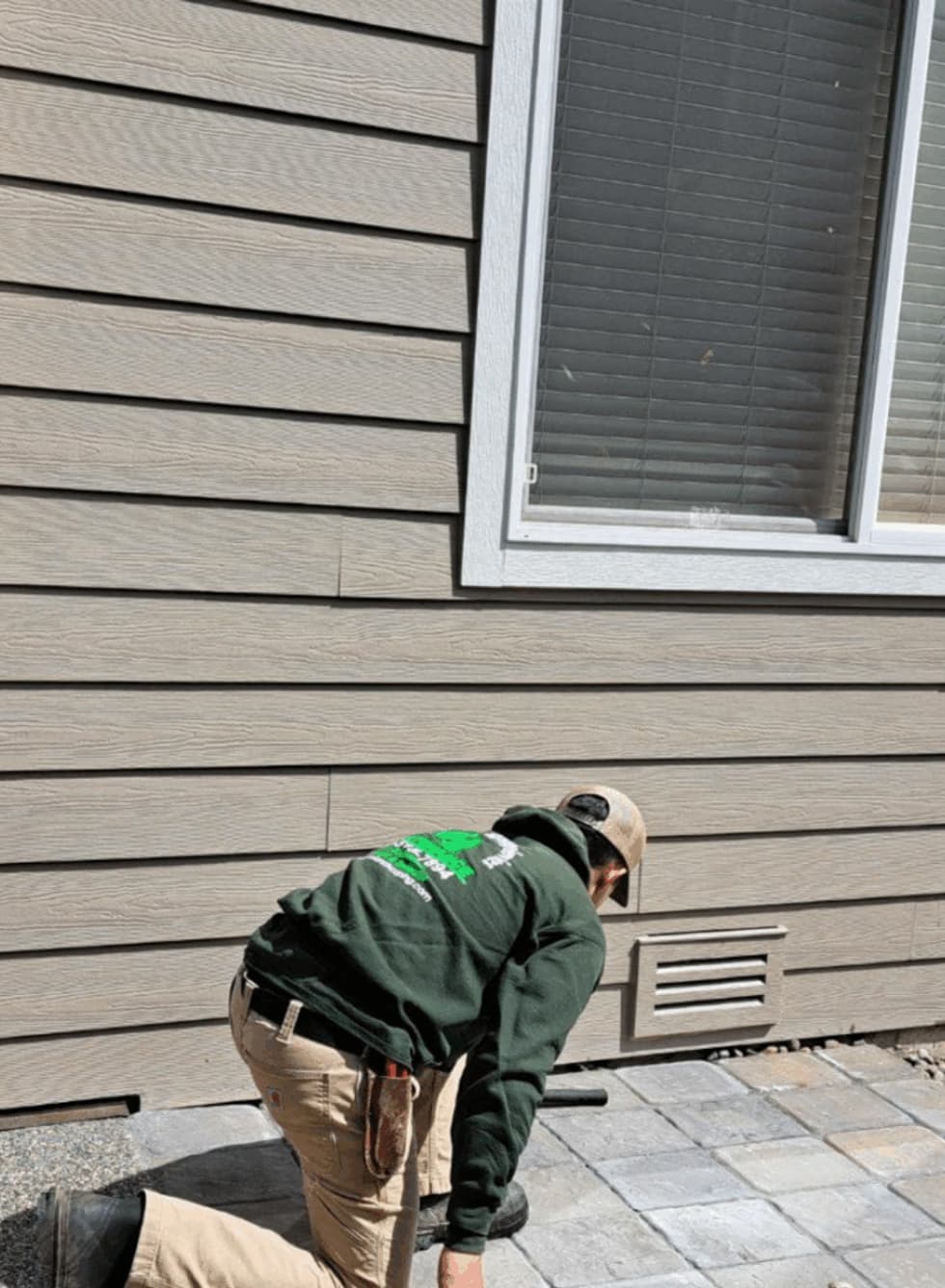
The paver is the skin. The base is the job: excavated, built up in compacted rock, deep enough that this climate will not heave it into waves. We pitch the surface away from the house, we restrain the edges so the field cannot spread, and we sand the joints.
A paver patio set on a couple of inches of loose gravel over clay will look perfect in September and rock underfoot by March. We do not build that, even if the other bid did.
What we look at first
- How the water leaves the surface today
- Clay, fill, or roots under the area
- Edge restraint and where the field ends
- Whether the project is a walk, a patio, or a drive, because the base changes
Joint sand
Swept and settled, then checked. Polymeric sand has a place where ants and heavy rain empty the joints, and it has a failure mode if it is installed wet or left on the face. We use it when it helps, and we wash the haze off before we leave.
Sealing
Optional. It deepens the color and can help the joints, and it is a maintenance coat every few years, not a structural need. We do not sell a sealer as what keeps the patio from settling. The base does that.
The base depth
Deeper for a drive than for a walk, and deeper on clay than the brochure drawn for a dry state. We compact in lifts. A single dumped pile of gravel, raked once, is not a base. You should not see waves after the first winter.
More from this crew
- Paver installation across Snohomish County
- Patio installation in Arlington
- Hardscaping in Arlington
- Gravel installation in Arlington
- Pressure washing in Arlington
- Paver installation in Marysville
- Paver installation in Granite Falls
- Paver installation in Stanwood
Sources for the climate and the water
- USDA plant hardiness map for choosing plants that can take a Snohomish County winter.
- EPA WaterSense on watering less once a lawn or a new planting is established.
- EPA Soak Up the Rain on keeping roof and yard water from becoming someone else’s problem.